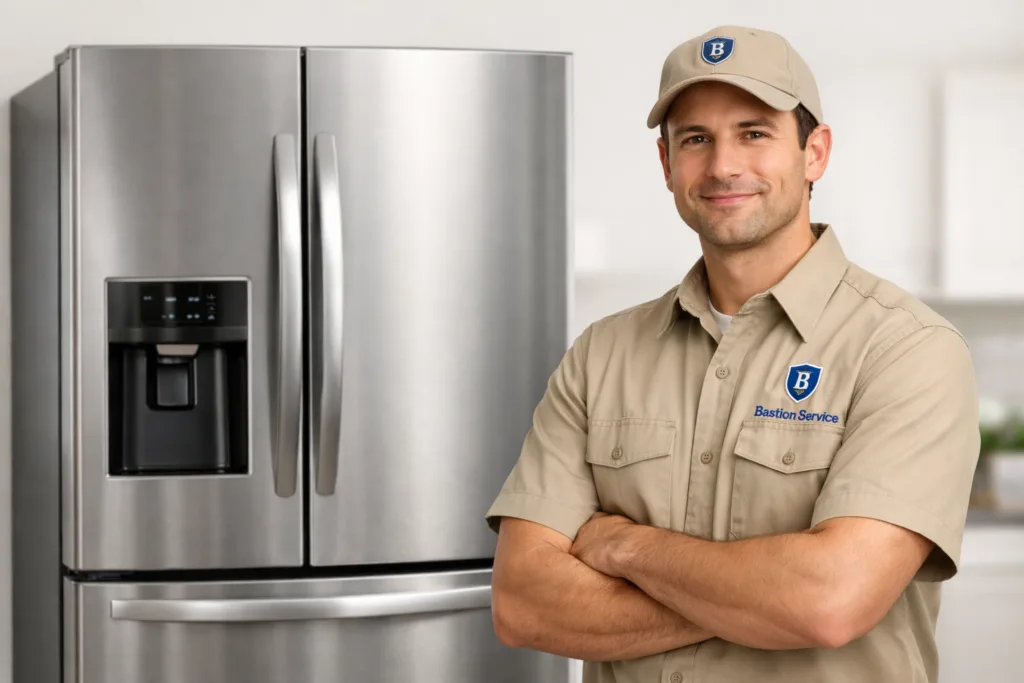
Food loss and water damage often start with small refrigerator changes that are easy to dismiss at first. A Kenmore unit may cool a little less evenly, run longer than usual, or collect moisture in places where it did not before. Those early signs matter because refrigerator problems tend to spread from one system to another when airflow, defrosting, or temperature control is no longer working the way it should.
Start with the symptom, not the part
Many refrigerator issues look bigger or smaller than they really are. A warm fresh food section can seem like a compressor failure when the actual cause is a fan not moving cold air. Frost can look like a door problem when the unit is actually not defrosting correctly. A leak on the floor may come from a simple drain blockage, but it can also point to recurring ice buildup inside the cabinet.
The most useful way to approach Kenmore refrigerator repair in Culver City is to look at the full pattern of what the appliance is doing. That includes whether the freezer is still cold, whether temperatures change during the day, whether frost keeps coming back, whether the refrigerator runs nonstop, and whether the problem started suddenly or gradually.
Common Kenmore refrigerator problems and what they often mean
Fresh food section is warm but the freezer still seems normal
This usually points to an airflow issue rather than a total loss of cooling. Cold air may not be moving from the freezer side into the refrigerator section because of frost buildup, a failed evaporator fan, blocked vents, or a defrost system fault. In many homes, this starts with milk warming up or produce spoiling sooner while frozen food still seems mostly okay.
If this symptom continues, the freezer side can also begin to struggle because the same airflow problem is often affecting the entire cooling cycle.
Both sections are not staying cold enough
When the refrigerator and freezer are both warming, the problem is often more urgent. Possible causes can include condenser airflow problems, control failures, compressor start issues, sensor faults, or sealed system trouble. If frozen food is softening and the refrigerator is no longer holding safe temperatures, it is best not to wait.
Heavy frost on walls, shelves, or food packages
Frost buildup usually means moisture is entering where it should not, or the refrigerator is not completing its defrost cycle properly. Door gasket wear, a door left slightly open, an alignment issue, or a failed defrost component can all create the same visible symptom. As frost gets thicker, airflow drops and temperatures become less stable.
Water leaking inside the refrigerator or onto the floor
Leaks often come from a clogged defrost drain, melting ice that cannot drain properly, or a problem with the water supply system on models with ice and water features. Even a minor leak deserves attention. In a kitchen, recurring water can damage surrounding surfaces and encourage odor or mold issues if it reaches hidden areas.
Clicking, buzzing, rattling, or unusually loud running
Refrigerators make normal operating sounds, but a change in sound pattern usually means something has changed mechanically or electrically. A clicking noise can come from a start problem. Buzzing may point to a struggling motor or vibration issue. A scraping or chattering sound sometimes means ice is interfering with a fan blade. Noise is especially important when it appears together with weak cooling.
Ice maker or dispenser problems
On Kenmore refrigerators, ice and water issues may be isolated or connected to a larger temperature problem. Poor ice production, small cubes, clumping, or no dispensing can be caused by temperature instability, inlet valve problems, line restrictions, or component failures in the dispensing system. If the freezer is not maintaining the right temperature, the ice maker often shows it early.
When the problem should not be delayed
Some refrigerator issues can wait a short time for scheduling, but many should not. Service is worth arranging promptly if:
- Food is spoiling before its normal shelf life
- Frozen items are soft or partially thawing
- The unit runs almost constantly
- There is standing water under or inside the refrigerator
- Frost buildup returns soon after being cleared
- The refrigerator stops and starts repeatedly
- New noise begins at the same time cooling weakens
Waiting can turn a limited repair into a broader one, especially when a fan is obstructed, a drain is freezing over, or the refrigerator is straining to maintain temperature day after day.
What homeowners in Culver City can check first
A few basic observations can help make the service visit more productive. These checks are useful because they describe the symptom pattern without guessing at the failed part.
- Check whether interior lights are working
- Compare the freezer temperature to the fresh food section
- Look for frost behind interior panels or around vents
- See whether doors are closing fully and sealing evenly
- Notice whether the problem began after a power interruption
- Listen for fan noise, clicking, or repeated startup attempts
- Look underneath or behind the unit for dust buildup and signs of moisture
These observations do not replace diagnosis, but they help show whether the issue is likely related to airflow, defrosting, controls, drainage, or the main cooling system.
Repairs that are often worthwhile
Many Kenmore refrigerator problems are still reasonable to fix when the cabinet is in good shape and the appliance has otherwise been reliable. Common repairable issues include:
- Defrost system failures
- Evaporator or condenser fan problems
- Door gasket wear
- Blocked or frozen drains
- Temperature sensor or thermostat issues
- Certain control board faults
- Water inlet and ice maker component problems
These kinds of failures can create major symptoms, but they are not all major repairs. What matters most is matching the repair path to the exact way the refrigerator is behaving.
When replacement becomes part of the conversation
Not every refrigerator problem leads straight to replacement, but some conditions do make that decision more realistic. A major sealed system issue, repeat breakdowns, unreliable temperature performance after past repairs, or visible overall wear can all change the calculation.
If a refrigerator cannot maintain safe storage temperatures and also has multiple signs of age such as damaged shelving, poor door sealing, rust, or repeated electrical trouble, replacement may be more practical for the household. If the fault is narrower and the rest of the unit is solid, repair often still makes sense.
Why symptom history matters
With refrigeration problems, small details often make diagnosis faster and more accurate. It helps to know whether the refrigerator warms mostly in the afternoon, whether frost appears after the door is opened more often, whether noise comes and goes, or whether the issue started after the appliance was moved or cleaned.
For households in Culver City, that kind of symptom history can make the difference between chasing a visible effect and addressing the actual source of the problem.
A focused approach for household refrigerator service
Refrigerator repair should answer three practical questions: what is failing, how urgent it is, and whether the repair is worth doing on this machine. When a Kenmore refrigerator is leaking, frosting over, losing temperature, or making new sounds, the right next step is a practical repair plan based on the real symptom pattern and the condition of the appliance as a whole.