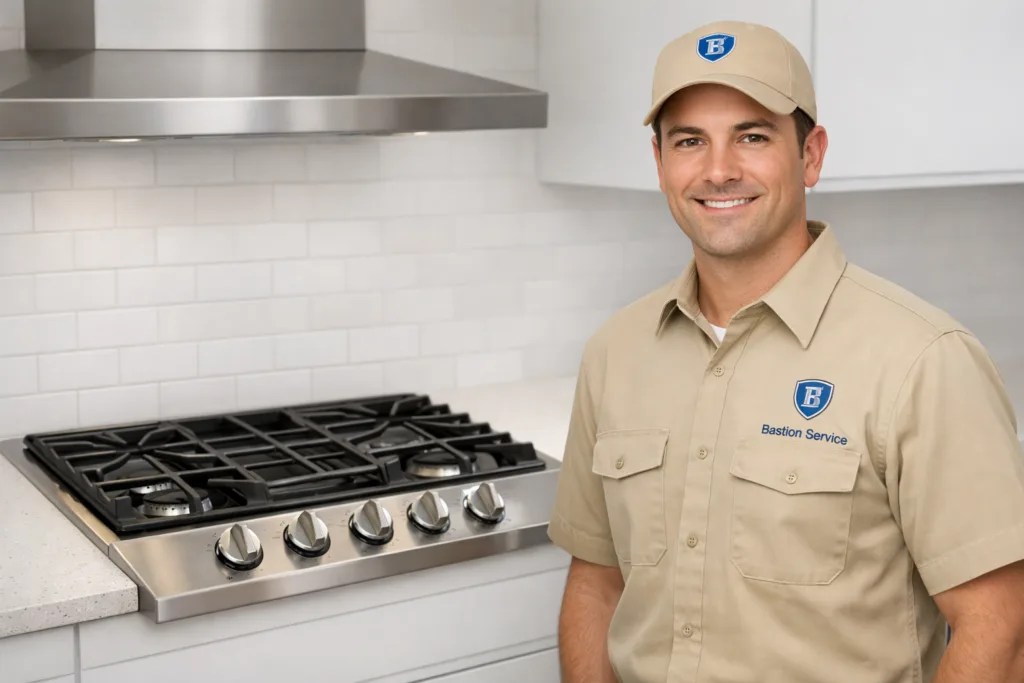
Cooking problems often start with one burner acting differently than the rest. On a Kenmore cooktop, that may mean a burner that stays cold, clicks constantly, heats too aggressively, or takes much longer than usual to respond. Because those symptoms can come from different parts of the appliance, the most effective repair path begins with the exact way the problem appears during normal use.
How Kenmore cooktop problems usually show up
Cooktops tend to give clues before they fail completely. Paying attention to whether the issue affects one burner or several, whether it happens every time or only intermittently, and whether the problem is related to heat, ignition, or controls can narrow the likely cause quickly.
Burner will not heat or ignite
On electric Kenmore cooktops, a burner that does not heat may point to a failed element, a worn switch, a damaged connection, or a receptacle problem. On gas models, a burner that will not light may have blocked ports, a dirty igniter area, a misaligned burner cap, or a fault in the spark system. If just one burner is affected, the issue is often isolated. If multiple burners stop working properly, the inspection usually shifts toward shared wiring, controls, or supply-related problems.
Burner heats unevenly
Uneven heating is more than a cooking annoyance. Electric burners may cycle incorrectly if the switch is no longer regulating power as intended. Gas burners may produce irregular flame patterns when burner ports are clogged or the cap is not seated correctly. Uneven performance often shows up first with simmering, pan heating, or foods that suddenly cook faster on one side.
Burner stuck on high or not responding to settings
If a burner remains too hot no matter where the knob is set, that usually indicates a control issue rather than normal wear. A switch that is no longer regulating output can make cooking unpredictable and may overheat cookware. On gas models, poor response to knob changes can suggest a valve or control problem that should be checked before the symptom worsens.
Clicking that does not stop
Continuous clicking on a gas cooktop is commonly caused by moisture, food residue, or an ignition component that is no longer working correctly. Sometimes cleaning and thoroughly drying the burner area resolves the issue. If clicking continues, especially when the burner is already lit or when the cooktop is off, the ignition system should be inspected rather than ignored.
Cracked glass or visible surface damage
A cracked glass surface is not just cosmetic. It can affect safety, stability, and the ability of the cooktop to handle normal heat and cookware weight. If the surface is chipped, cracked, or visibly stressed, continued use may increase the damage. In those cases, repair depends on the extent of the damage and the condition of the rest of the unit.
What specific symptoms can indicate
Homeowners in Beverly Hills often want to know whether the problem is minor or whether the cooktop is heading toward a larger failure. While every model is different, some symptom patterns are especially useful during diagnosis.
- One burner dead, others normal: often tied to a burner-specific part such as an element, igniter, switch, or local wiring connection.
- Several burners acting up: may suggest a shared electrical issue, control problem, or a broader ignition system fault.
- Delayed ignition: commonly linked to dirty burner parts, poor spark, or gas flow issues that need attention.
- Burner cycles incorrectly: may indicate failing controls or sensor-related regulation problems.
- Knobs feel loose or do not match burner response: can point to worn stems, switches, or internal control wear.
When to stop using the cooktop
Some issues can wait a short time. Others should push the cooktop out of regular use right away. Service is the safer choice when a burner stays on unexpectedly, a breaker trips during operation, sparking appears where it should not, ignition becomes unreliable, or the surface is cracked.
For gas cooktops, any strong or persistent gas odor should be treated as a safety issue first, not a repair scheduling issue. Stop using the appliance. If the smell does not clear promptly or seems significant, leave the area if needed and contact the gas utility or emergency service before arranging appliance repair.
Why symptom-based diagnosis matters
A proper diagnosis does more than identify a bad part. It helps determine whether the problem is isolated, whether surrounding components were affected, and whether repair is likely to restore normal operation without chasing repeat issues. That matters especially when a cooktop has developed more than one symptom over time.
A good inspection can help answer questions such as:
- Is the fault limited to one burner assembly or tied to a shared system?
- Did overheating or arcing affect switches, wiring, or nearby components?
- Is the problem consistent with normal wear, or does it suggest broader deterioration?
- Would continued use raise the cost or risk of the eventual repair?
Repair or replace?
Many Kenmore cooktop problems are worth repairing when the fault is limited to an igniter, switch, burner part, element, or connection and the rest of the appliance remains in solid condition. Replacement becomes a more realistic discussion when there is major surface damage, repeated failures across multiple systems, or signs that the appliance has ongoing reliability issues beyond the current complaint.
Age matters, but condition matters more. A newer cooktop with a cracked top or several failing controls may not be the obvious repair candidate, while an older unit with one isolated burner issue may still make good sense to fix. The decision is usually best made after the source of the symptom is confirmed rather than guessed.
Small problems that tend to become larger ones
Many cooktop repairs begin with a symptom that seemed manageable at first. Maybe a burner needed a second try to ignite, a control felt slightly rough, or one heating zone started behaving differently with larger pans. Those are easy problems to postpone, but they often become more disruptive right before a busy week or family meal.
In Beverly Hills homes, addressing these early signs can help prevent a full loss of cooking function, reduce the chance of additional part damage, and keep the repair simpler. When a Kenmore cooktop is no longer operating normally, a symptom-first evaluation is usually the fastest way to understand what failed, what needs attention, and whether repair is the practical next step.