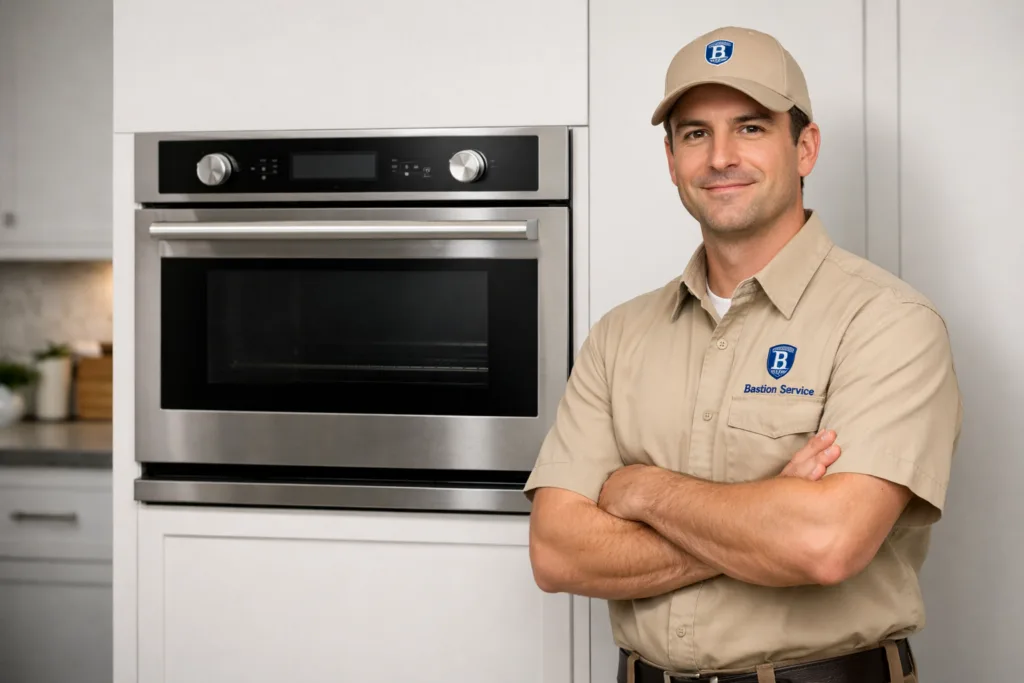
Built-in wall ovens can fail in ways that look similar on the surface but come from very different parts inside the appliance. A JennAir unit that seems slow, erratic, or completely unresponsive may have a heating problem, a sensor issue, a control fault, or a door-related heat loss problem. The fastest way to avoid wasted time and unnecessary parts is to match the repair plan to the exact behavior of the oven.
What different symptoms often mean on a JennAir wall oven
Wall ovens rely on several systems working together: power supply, bake and broil heat, temperature sensing, control logic, door sealing, and in some models convection airflow. When one part starts falling out of range, the result may show up as poor cooking performance long before the oven fully stops working.
The oven turns on but does not heat
If the control panel lights up and lets you select a cooking mode but the oven cavity stays cold, the problem may be a failed bake element, a broil circuit issue, a sensor sending the wrong reading, or a control board not energizing the heat properly. On some installations, partial power problems can also make the oven appear functional while preventing normal heating.
Preheat takes much longer than it used to
Long preheat times usually point to weak heat production rather than a simple setting issue. A bake element may be failing gradually, the broil side may not be assisting during preheat, or the temperature feedback may be inaccurate enough that the oven struggles to reach the target efficiently. Homeowners often notice this first with weeknight meals that start taking longer for no obvious reason.
Food cooks unevenly
Uneven baking can show up as dark edges, pale centers, one rack cooking faster than another, or a dish that seems done on top but not underneath. That pattern can come from sensor drift, weak element performance, convection fan trouble on equipped models, or heat escaping around the door. Because the oven may still get hot, this symptom is often mistaken for a recipe issue when the appliance is actually losing consistency.
Temperature swings during cooking
Some cycling is normal, but wide swings are not. If one batch comes out overdone and the next is undercooked using the same settings, the oven may be reading temperature incorrectly or failing to maintain heat evenly. A worn sensor, unstable control response, or intermittent heating component can all create that stop-and-go cooking pattern.
Error codes, beeping, or touch controls that stop responding
Display faults usually need more than a reset. Repeated error messages, random shutoffs, or controls that work only part of the time can point to communication faults, sensor problems, latch issues, or an electronic control failure. If the same code returns after being cleared, the oven is usually detecting an active fault rather than a one-time glitch.
The door will not close, lock, or unlock correctly
Door issues affect more than convenience. A worn hinge, damaged gasket, or latch problem can let heat escape and create cooking complaints that sound like element failure. On self-cleaning models, a lock problem may also keep the oven from starting a cycle or returning to normal use afterward.
Why wall oven diagnosis matters more than guesswork
JennAir wall ovens are built into the kitchen, so service decisions are not just about swapping a part. The oven may need to be evaluated for wiring condition, door fit, heat response through a full cycle, and whether one failed component has stressed another. A careful fault check helps separate a straightforward repair from a larger issue involving controls or multiple aging parts.
This matters when symptoms overlap. For example, slow preheat and uneven baking might be caused by an element problem in one home and a sensor or control issue in another. Replacing parts based on assumptions can raise cost without fixing the real problem.
Signs it is time to stop using the oven until it is checked
Some problems are mostly about cooking performance, but others raise safety concerns. It is best to stop using the oven and schedule service if you notice:
- Repeated breaker trips
- Burning electrical odors
- Sparking or visible arcing
- An oven that shuts off unexpectedly during use
- An oven that will not shut off normally
- Recurring error codes tied to heat or control faults
Even when the issue seems minor, continued use can turn a smaller repair into a larger one if wiring, relays, or heating components are overheating under load.
How homeowners in Redondo Beach usually think about repair versus replacement
Many JennAir wall oven problems are worth repairing, especially when the failure is limited to a sensor, element, latch assembly, fan-related part, or a specific electrical component. Built-in appliances often stay in service longer because replacing them can involve cabinet fit, finish matching, and a broader kitchen decision that homeowners may not want to make right away.
Replacement becomes more likely when the oven has multiple active problems, expensive control failures, chronic repeat breakdowns, or enough overall wear that another repair would not restore reliable daily use. Age alone does not decide it. Condition, repair scope, and how the oven has been performing before the current issue are usually better indicators.
What a practical service visit should focus on
For a built-in JennAir wall oven, useful service means identifying the failed system, confirming whether the appliance is heating correctly through operation, and checking for related wear that could affect the outcome of the repair. That includes looking at:
- Whether bake and broil functions are both operating as they should
- How the temperature sensor is reading
- Whether the control is sending power correctly
- Door seal and hinge condition
- Signs of heat damage, wiring deterioration, or intermittent operation
That kind of evaluation gives homeowners in Redondo Beach a realistic picture of what the oven needs now and whether the repair path makes sense for the unit they have.
Performance issues that often start small
Not every oven failure begins with a complete shutdown. Many problems start as subtle changes in cooking results. You may notice that cookies need extra time, casseroles brown unevenly, or the oven seems to run hotter one week and cooler the next. These smaller symptoms are often the best time to address the issue, because the repair may still be limited to one failing component instead of a chain of related problems.
If your JennAir wall oven has become unreliable, the most helpful next step is to compare the symptom pattern, the appliance condition, and the likely repair scope before deciding how to proceed. That leads to a more practical repair plan and a better chance of restoring consistent cooking performance at home.