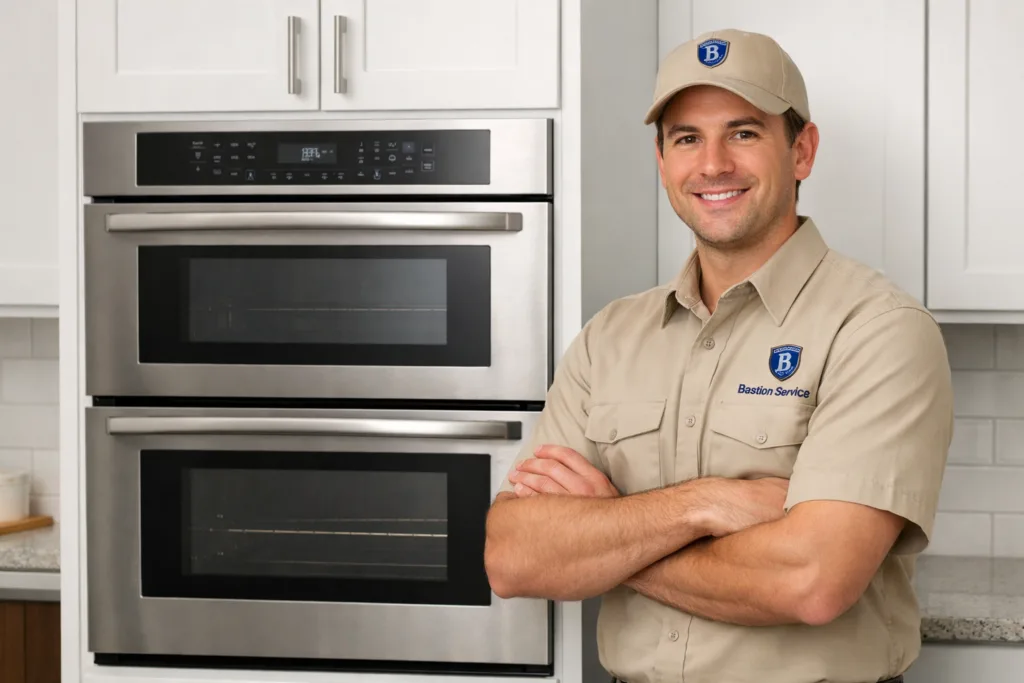
Built-in ovens tend to fail in ways that disrupt the whole kitchen routine. One day preheat seems normal, and the next day dinner takes twice as long, baked goods come out uneven, or the control panel starts flashing an error. With a Frigidaire wall oven, those symptoms can point to very different causes, so it helps to look at the pattern before assuming a single part is to blame.
How wall oven problems usually show up
Many oven failures start as performance changes rather than a complete shutdown. Homeowners often notice slow preheat, temperature swings, hot spots, or cycles that end unexpectedly. In Los Angeles households where the oven sees regular use for weeknight cooking, meal prep, and baking, those smaller warning signs are often the first clue that a component is weakening.
Because a wall oven is built into cabinetry and tied into the home’s electrical system, symptom-based troubleshooting matters. A heating complaint may involve the bake element, broil element, sensor, control board, wiring, relay behavior, or a safety-related interruption. The goal is to identify what is actually failing instead of replacing parts based on guesswork.
Common Frigidaire wall oven symptoms and likely causes
Not heating at all
If the display comes on but the oven does not heat, the issue may involve a failed bake element, a control problem, a sensor fault, or a power-related condition affecting oven functions. On some models, the broil element also plays a role during preheat, so a problem there can make the unit seem dead or extremely slow even when one part of the system still responds.
If the oven is completely unresponsive, possible causes widen to include incoming power issues, thermal protection components, damaged wiring, or a failed electronic control. Since wall ovens are not as accessible as freestanding ranges, this kind of symptom usually needs direct testing rather than visual assumptions.
Slow preheat
Slow preheat is one of the most common complaints and one of the easiest to underestimate. Many people continue using the oven by simply adding extra time, but that often masks a real heating problem. A weak element, inaccurate sensor, or control issue can stretch preheat times and reduce cooking consistency long before the oven stops working completely.
When preheat drags on, food quality is usually the next thing to suffer. Roasts may cook unevenly, casseroles can remain cool in the center, and baked goods may dry out before they finish properly.
Uneven baking or temperature swings
If one rack browns too fast, one side of the pan cooks harder than the other, or recipes that used to work now come out unpredictable, the oven may be drifting away from the set temperature. In a Frigidaire wall oven, that can come from a sensor reading problem, partial element failure, relay trouble on the control board, or poor heat cycling during the bake process.
Not every uneven result means the oven is seriously damaged, but repeated inconsistency usually means the problem is no longer just calibration. When the same issue shows up across multiple recipes and different cookware, the appliance itself is the more likely source.
Error codes, beeping, or shutdowns during cooking
Error messages are often the control system’s way of flagging a fault it can detect but not correct. Depending on the model, that may relate to temperature sensing, keypad input, overheating, latch behavior, or communication between electronic components. If the oven resets and works again briefly, that does not mean the issue is resolved. Intermittent faults often return under heat load.
Random shutoffs in the middle of a cycle are especially important to address because they can point to overheating, unstable control operation, or an electrical problem that becomes more obvious as the cavity temperature rises.
Door lock or self-clean issues
Problems after a self-clean cycle are common in electronic ovens because high heat can stress sensors, latch assemblies, switches, and control components. If the door will not unlock, the oven thinks it is still cleaning, or heating behavior changes after self-clean, the issue may not be limited to the latch itself.
A door that does not close properly can also affect temperature performance. Heat loss, poor sealing, and repeated cycling can all make cooking less consistent and put added strain on the oven.
Control panel problems
An unresponsive keypad, blank display, flickering screen, or settings that change unexpectedly can all trace back to the control interface or main board. Sometimes the oven still heats despite panel issues; other times the control problem prevents normal operation altogether. In either case, the pattern matters: whether the issue appears constantly, only when hot, or only in specific modes such as bake, broil, or self-clean.
Signs the oven should not keep being used
Some symptoms are mostly inconvenient, while others suggest the oven should be taken out of use until it is inspected. Stop using the appliance if you notice:
- burning smells that continue after the oven has cooled and been cleaned
- visible sparking or signs of arcing
- repeated breaker trips
- error codes tied to overheating or control failure
- a door that will not shut or lock correctly
- temperatures that run far hotter than the setting
- shutoffs that happen during normal cooking cycles
Continuing to use an oven with unstable heating or electrical symptoms can worsen the original failure and, in some cases, damage additional components.
What diagnosis should include
A useful wall oven diagnosis should focus on how the appliance behaves through an actual heating cycle, not just whether the display turns on. That means checking temperature response, preheat behavior, heating element performance, sensor readings, control output, and whether the failure appears only after the oven has been running for a while.
For built-in units, access and installation also matter. A repair plan has to account for cabinet fit, safe removal if needed, and whether the issue is isolated to a single failed part or tied to broader wear within the oven’s electrical system.
Repair versus replacement for a built-in oven
For many households, repair is the more practical first option because replacing a wall oven can involve size matching, trim considerations, installation planning, and interruptions to the kitchen. A repair often makes sense when the problem is limited to a sensor, heating element, latch assembly, keypad, wiring issue, or a defined control-related failure.
Replacement becomes more likely when the oven has multiple major faults, repeat electronic failures, significant heat damage, or repair costs that no longer make sense relative to the appliance’s overall condition. Age matters, but the bigger factor is whether the current issue is isolated and repairable or part of a broader pattern of decline.
Helpful details to note before service
If service is needed, a few details can make the issue easier to pinpoint. Try to note:
- whether the oven fails in bake, broil, or both
- if preheat is slow every time or only sometimes
- any error code shown on the display
- whether the problem started after self-clean
- if the oven shuts off only after it gets hot
- whether the display stays on when heating stops
- how far actual cooking results seem from the set temperature
Even simple observations can help narrow down whether the issue is with heat production, temperature feedback, control response, or a door and lock function.
Frigidaire wall oven repair for Los Angeles homes
In Los Angeles, built-in kitchen appliances are often expected to keep up with daily use without much warning before something goes wrong. When a Frigidaire wall oven starts showing slow preheat, uneven baking, temperature inconsistency, or control trouble, the most useful next step is to identify the exact failure and decide whether a targeted repair will return the oven to reliable operation.
Bastion Service helps homeowners with Frigidaire wall oven repair centered on accurate symptom evaluation, exact-fit diagnosis, and straightforward next-step recommendations based on the oven’s actual condition.