
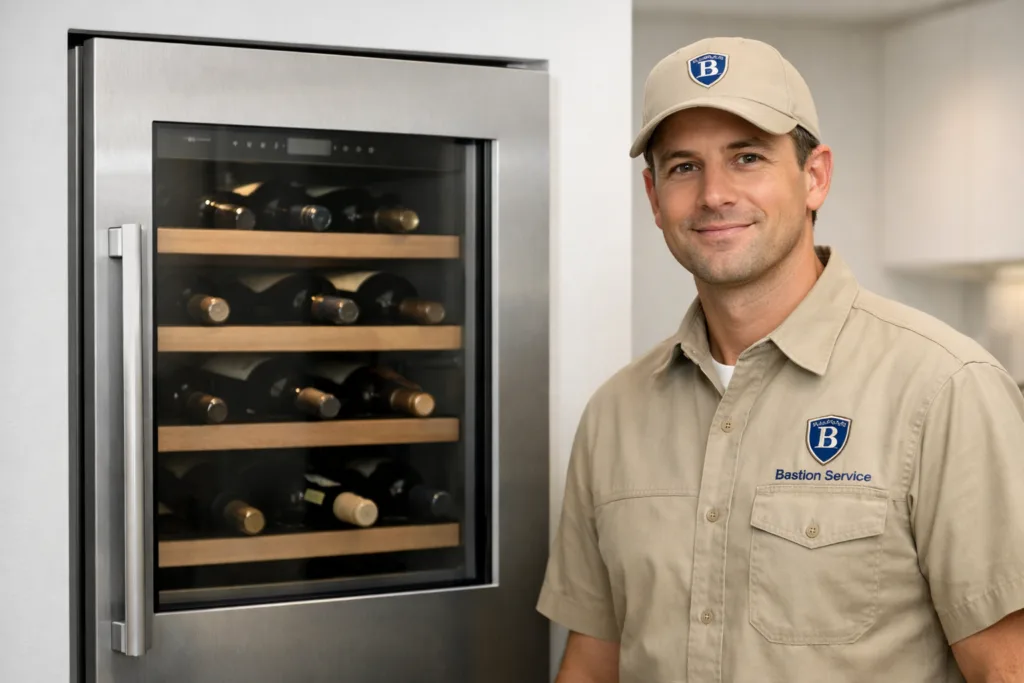




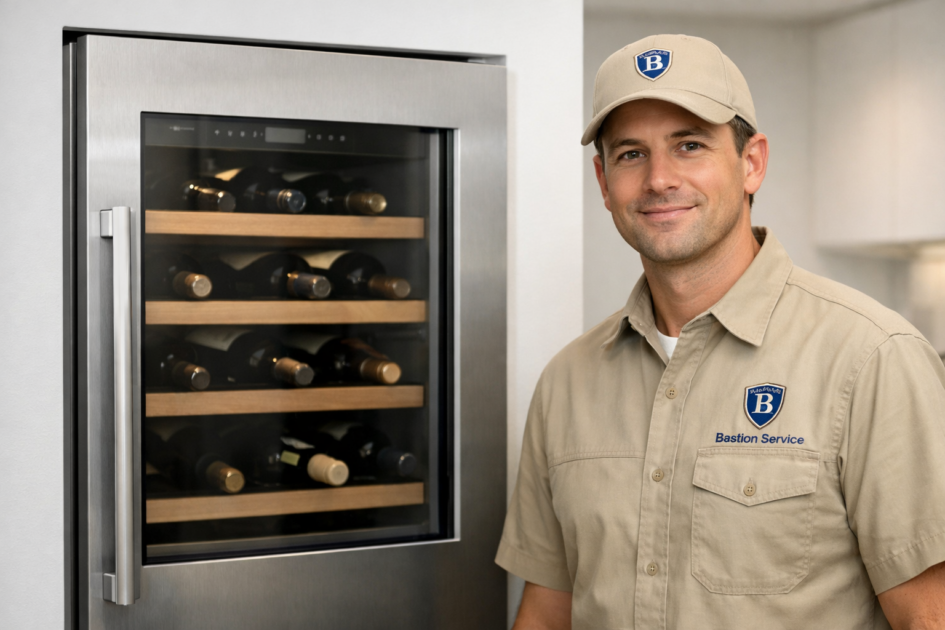
A Fisher & Paykel wine cooler that starts running warm, cycling too often, or collecting moisture can put both everyday bottles and long-term storage at risk. In many Mar Vista homes, the same visible symptom can trace back to very different causes, including poor airflow, a leaking door gasket, sensor drift, fan failure, control trouble, or a deeper refrigeration problem. That is why the first useful step is identifying the fault pattern instead of guessing from the surface symptom alone.
Related Fisher & Paykel and wine cooler service paths in Mar Vista include Fisher & Paykel Appliance Repair in Mar Vista, Wine Cooler Repair in Mar Vista, and Fisher & Paykel Refrigerator Repair in Mar Vista.
Common Fisher & Paykel wine cooler symptoms
Most problems begin with a gradual change rather than a complete shutdown. The cabinet may still cool, but not consistently. A section may feel warmer than expected, the display may not match the actual interior temperature, or the unit may sound different during normal cycling. Paying attention to those early changes can help prevent extra strain on key components.
Temperature swings or poor cooling
If the interior is no longer staying at the selected setting, several issues are possible. A blocked air path, overcrowded shelves, or a door that is not sealing fully can allow temperatures to drift. Other causes are more technical, such as a faulty thermistor, evaporator fan problems, frost affecting circulation, or a control issue that misreads cabinet conditions.
When bottles feel warmer than expected but the unit still seems to be running, it is important not to assume the compressor is the only explanation. Many wine cooler cooling complaints come from airflow or sensor faults that can mimic larger failures.
Constant running or frequent short cycling
A wine cooler that runs nearly nonstop may be compensating for warm air entering the cabinet or for inefficient heat removal. Worn gaskets, dust around condenser areas, poor installation clearance, or inaccurate temperature feedback can all push the unit to work harder than normal. Short cycling, where the system starts and stops too frequently, may point to control problems, start device issues, or compressor-related stress.
Either pattern is worth attention because extended strain can increase wear and eventually turn a moderate repair into a more expensive one.
Condensation, interior moisture, or water buildup
Moisture inside a wine cooler is not always just a cosmetic problem. Condensation around the door or on shelves often suggests air leakage, humidity imbalance, or a temperature-control issue. Water accumulation may indicate a drainage problem or a cooling pattern that is creating excess frost and melt-off.
For homeowners using the unit to protect labels, cork condition, and stable storage temperatures, repeated moisture is a sign that the cabinet environment is no longer being controlled properly.
Fan noise, buzzing, clicking, or rattling
Some operating sound is normal, but a clear change in noise level usually means something has shifted. A fan may be obstructed, mounting points may have loosened, or vibration may be traveling through the cabinet differently than before. Buzzing or clicking can also be tied to electrical components, relay problems, or compressor-start trouble.
Because several issues can sound similar, symptom-based testing matters more than replacing parts based on noise alone.
Display or control problems
If settings do not respond correctly, temperatures on the display seem inaccurate, or the controls behave inconsistently, the problem may involve the user interface, sensor communication, or the main control system. In a wine cooler, even a small control error can affect long-term storage conditions because the appliance depends on stable temperature regulation rather than broad cooling performance.
What these symptoms often mean
Wine coolers are specialized refrigeration appliances. They are designed to hold a narrow temperature range with gentle, consistent operation. That means a unit can still appear functional while failing in the way that matters most: maintaining stable storage conditions. On Fisher & Paykel models, the most common repair paths usually involve one of these categories:
- Airflow issues caused by blocked circulation, fan problems, or frost buildup
- Door sealing problems that let warm air and humidity enter the cabinet
- Temperature-sensing faults that cause inaccurate cycling
- Electronic control issues affecting operation or display behavior
- Drainage or moisture-management problems
- Sealed-system or compressor-related faults when cooling performance is seriously reduced
The value of a service visit is determining which category fits the actual behavior of your unit, rather than assuming every warm cabinet needs the same repair.
When to stop waiting and schedule service
It is usually time to schedule Fisher & Paykel Wine Cooler Repair in Mar Vista when the cabinet will not hold temperature, the unit starts making new noises, moisture keeps returning, or the controls are no longer reliable. A wine cooler that is clearly warming up or running almost all the time should not be trusted for active storage until the cause is identified.
Waiting can make the outcome worse. A fan issue can lead to poor circulation and frost. A leaking gasket can keep the compressor under constant load. A sensor problem can cause unstable cycling that looks minor at first but steadily affects performance. If the unit is shutting down and restarting repeatedly, that is another sign to avoid delay.
Simple checks homeowners can do first
Before service, a few basic observations can help narrow down the problem:
- Confirm the set temperature and compare it with the actual feel inside the cabinet
- Check whether bottles or shelves are blocking interior airflow
- Make sure the door closes fully and the gasket sits evenly all the way around
- Look for visible condensation, water, or frost patterns
- Notice whether the noise is constant, intermittent, or tied to startup
- Note any display irregularities or error behavior
These checks are helpful because they can separate a loading or sealing problem from a component failure, and they give a technician a better starting point once service begins.
Repair or replacement: how to evaluate the decision
Many Fisher & Paykel wine cooler issues are repairable, especially when the failure involves sensors, fans, controls, drainage, gaskets, or other accessible components. In those cases, repair can restore stable performance without replacing the entire appliance.
Replacement becomes a more serious consideration when the problem involves the sealed system, when major parts are no longer practical to source, or when the total repair path does not make sense for the unit’s age and overall condition. The best decision usually depends on whether the repair is likely to restore consistent storage conditions rather than provide only partial improvement.
Why symptom history matters
Small details often make diagnosis much faster. If the problem started after a power interruption, after the door was left open, or after the unit became louder over several weeks, that timeline can point toward a different cause than a cabinet that simply stopped cooling overnight. In Mar Vista homes where a wine cooler may be built into cabinetry, installation conditions and ventilation also matter more than many owners realize.
Useful notes include when the issue began, whether it is constant or intermittent, whether the display changed, and whether the cabinet still cools somewhat or not at all. That symptom history helps determine whether the likely path is electrical, airflow-related, or tied to the refrigeration system itself.
Focused service for a specialized appliance
Wine cooler repairs are different from general refrigerator complaints because the target is not just cold air, but stable, controlled storage. When a Fisher & Paykel unit starts drifting, sweating, or making unusual noise, the right repair plan should be based on the actual fault and the overall condition of the appliance. For Mar Vista homeowners, that makes careful diagnosis the most practical way to decide on the next step and protect the bottles already inside.


