





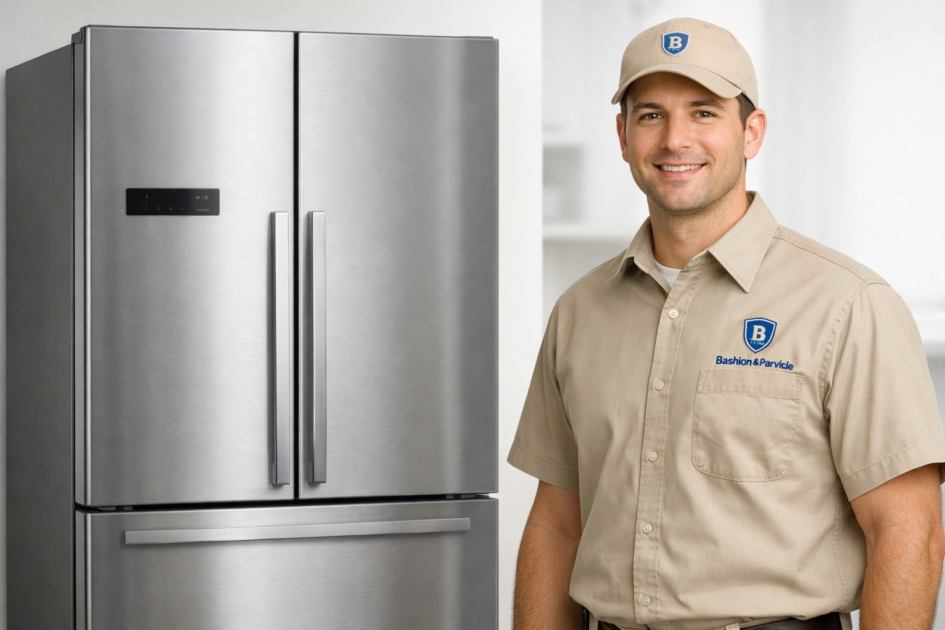
Refrigerator problems usually start with a small change in performance: groceries are not as cold as usual, the freezer feels less firm, water appears under a drawer, or a new sound shows up during normal cycling. With Fisher & Paykel units, those early symptoms often point to airflow restrictions, defrost trouble, sensor issues, fan wear, drainage problems, or a cooling-system fault. Pinpointing which pattern you are seeing is the fastest way to decide what repair makes sense.
What Venice homeowners should watch for first
Before a refrigerator fails completely, it often gives warning signs. A fresh food section that swings between too warm and too cold, frost appearing where it did not before, or a unit that runs longer than normal can all suggest that one problem is beginning to affect several parts of the system. In a household refrigerator, that matters because unstable temperatures can spoil food long before the appliance stops altogether.
Helpful details to notice include:
- Whether the freezer is cold while the refrigerator section is warming up
- Whether leaks happen after heavy frost buildup
- Whether noise comes and goes with the door opening or closing
- Whether the unit runs constantly or short-cycles
- Whether the problem started suddenly or gradually over several days
Those clues can help narrow the fault to circulation, defrost, sealing, controls, or the sealed system rather than treating every cooling complaint as the same issue.
Common Fisher & Paykel refrigerator symptoms and what they may mean
Refrigerator section is warm but freezer still seems cold
This is one of the most common complaint patterns. Often the problem is not the entire cooling system, but airflow from the freezer side into the fresh food compartment. A failing evaporator fan motor, blocked vent path, iced-over evaporator area, or sensor problem can keep cold air from moving where it needs to go. In some cases, the freezer may appear normal at first while the refrigerator side struggles more and more throughout the day.
If this symptom continues, food in the main compartment is usually affected first. Milk, leftovers, and produce may warm up even though frozen items still seem acceptable.
Freezer is not staying cold enough
When the freezer itself cannot maintain temperature, the cause may be more serious. Possibilities include low cooling output, compressor-related trouble, control issues, poor heat exchange, or warm air entering through a door-seal problem. If ice cream softens, frozen food begins to clump, or the freezer takes much longer to freeze new items, it is usually a sign that the refrigerator should be checked soon.
Water inside the refrigerator or on the floor
Repeated leaks are often tied to a blocked defrost drain, melting ice that cannot route out properly, excess condensation from warm air intrusion, or a damaged water line on models equipped with water features. A one-time spill is different from recurring moisture in the same area. If water keeps collecting under crisper drawers or in front of the unit, the source should be identified rather than simply cleaned up.
Frost buildup on walls, drawers, or food packages
Heavy frost usually means moisture is entering where it should not, or the refrigerator is not completing defrost cycles correctly. A torn or weak gasket, a door not closing fully, a misaligned shelf blocking closure, or a failing defrost component can all create this pattern. Once frost builds up enough to interfere with airflow, temperatures often become inconsistent throughout the cabinet.
Loud noises, clicking, rattling, or constant running
Every refrigerator makes some operating noise, but a change in sound is important. Grinding or rubbing can point to fan issues or ice contacting moving parts. Repetitive clicking can suggest a start or control problem. Rattling may be as simple as vibration, but if it appears with poor cooling, it can help identify a larger issue. A unit that seems to run almost nonstop may be struggling to reach target temperature because of airflow restriction, frost, gasket leakage, or cooling loss.
Simple checks that may help before service
Not every performance complaint means a major repair. A few basic checks can rule out avoidable causes:
- Make sure doors are fully closing and not blocked by bins or large containers
- Check visible gaskets for gaps, tears, or debris
- Avoid packing food tightly against interior vents
- Confirm the temperature settings were not changed accidentally
- Look for obvious frost patterns that suggest an airflow or defrost problem
If these steps do not improve the issue, or if the symptom quickly returns, the problem is more likely component-related and worth diagnosing properly.
When the problem should not be ignored
Some refrigerator issues can wait a day or two for observation. Others should be treated as more urgent. If perishables are clearly warming, frozen food is softening, leaks are spreading onto the floor, or frost is building rapidly, continued operation may cause added wear or create a food-safety problem. Running a refrigerator that cannot regulate temperature properly can also put extra strain on other parts as the machine tries to compensate.
It is also wise to stop forcing drawers or compartments through ice buildup. What starts as a defrost issue can turn into broken trim, damaged rails, or fan interference if the ice is left to spread.
How repair decisions are usually made
Many Fisher & Paykel refrigerator problems are repairable when the fault is isolated to a fan motor, defrost heater, sensor, drain blockage, gasket, control-related part, or another single component failure. In those cases, the refrigerator may still be a good candidate for repair if the cabinet, doors, and cooling performance history have otherwise been solid.
Replacement becomes a more realistic discussion when the unit has repeated breakdowns, major sealed-system trouble, advanced wear, or repair needs that no longer make sense for its condition. The important part is understanding whether the symptom comes from a contained repair path or from a larger system problem.
What to note before scheduling Fisher & Paykel refrigerator repair in Venice
A few observations can make a service visit more productive:
- The approximate age of the refrigerator
- Whether the issue affects the refrigerator section, freezer, or both
- How long the problem has been happening
- Whether the symptom is constant or intermittent
- Any recent power interruption, unusual noise, or visible frost pattern
That information helps connect the symptom pattern to the most likely cause instead of replacing parts based on guesswork.
Choosing the right next step for your refrigerator
If your refrigerator is showing one persistent symptom or a combination of cooling changes, leaks, frost, and unusual sounds, timely service is usually the best way to prevent food loss and avoid extra wear. Bastion Service provides Fisher & Paykel refrigerator repair in Venice with attention to symptom-based troubleshooting, so homeowners can understand whether the issue is minor, progressive, or a sign of a larger cooling failure.
When a refrigerator starts behaving differently, the best outcome usually comes from acting while the symptom is still specific and traceable. That gives you a better chance of resolving the problem before it spreads into a full no-cool condition.


