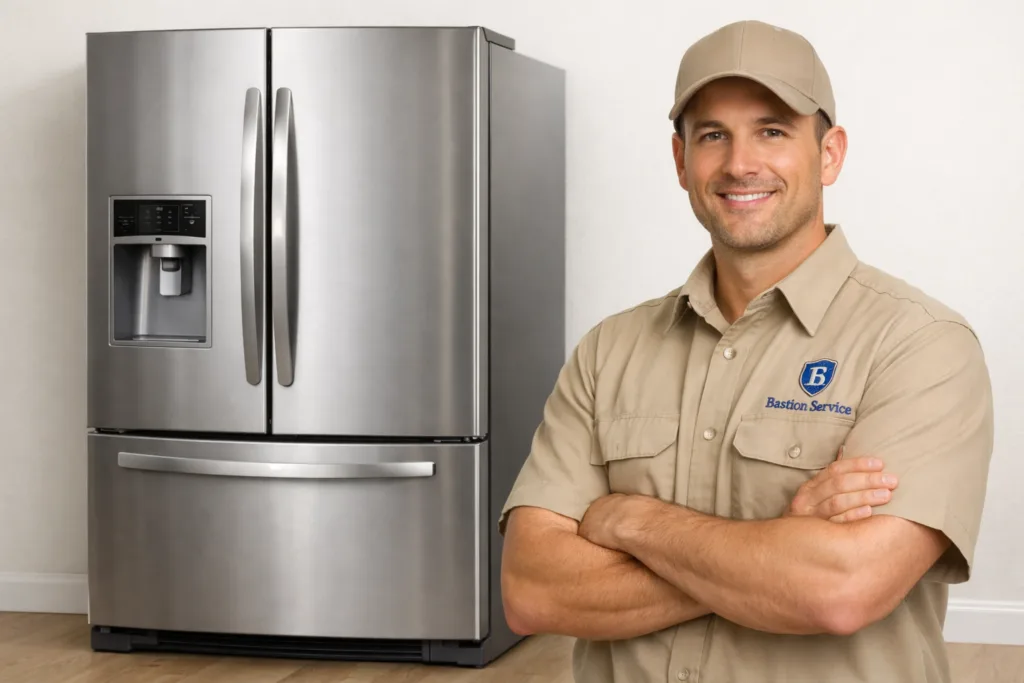
A Maytag refrigerator problem can move from minor inconvenience to food loss fast, especially when temperatures drift slowly and the issue is not obvious at first. In many homes, the first signs are subtle: milk not staying cold, soft freezer items, extra moisture in drawers, or a motor sound that seems different than usual. Because several systems work together inside the appliance, the same symptom can have more than one cause.
What symptom patterns usually mean
Watching how the refrigerator behaves over a full day often reveals more than a quick temperature check. Is the freezer still cold while the fresh food section warms up? Does frost keep returning after you clear it? Is there water under the crisper drawers or on the floor near the door? Those details help separate an airflow problem from a defrost issue, a water supply issue, or a developing mechanical failure.
With Maytag refrigerator repair in Venice, symptom patterns are often more useful than a single complaint because they show whether the appliance is struggling in one area or failing across multiple functions.
Common Maytag refrigerator problems in Venice homes
Refrigerator not cooling well
If both sections are warmer than they should be, the problem may involve restricted airflow, a fan failure, dirty condenser components, a control problem, or trouble in the start or cooling system. A refrigerator that runs for long periods without reaching normal temperatures should be checked quickly, since continued operation can place more strain on major components.
Freezer cold but fresh food section warm
This is one of the most common household complaints. In many cases, cold air is being made but not moving correctly into the refrigerator compartment. Frost buildup, blocked vents, a failed evaporator fan, or a defrost system problem can all create this pattern. Adjusting the controls rarely solves it for long if airflow is the real issue.
Water leaking inside the unit or onto the floor
Leaks can come from a clogged defrost drain, condensation caused by warm air entering through a poor seal, an ice maker fill problem, or a water line issue. Even a small leak matters because moisture can damage flooring, create odors, and freeze in hidden areas that later interfere with normal operation.
Frost buildup in the freezer
Heavy frost on drawers, shelves, or interior panels usually points to a defrost or sealing problem. When frost keeps returning, airflow drops and temperatures can become uneven. Homeowners may notice the freezer still looks cold while food quality declines and the refrigerator side becomes less stable.
Ice maker not producing ice
An ice maker issue is not always just an ice maker issue. Low freezer temperature, a frozen fill tube, a faulty inlet valve, a sensing problem, or a broader control issue may all be involved. If ice production stopped around the same time cooling became inconsistent, both symptoms should be treated as connected until proven otherwise.
Noisy operation
Buzzing, clicking, rattling, or louder humming can indicate different conditions depending on when the sound happens. Fan blades may be hitting ice, a motor may be wearing out, the compressor may be struggling to start, or the refrigerator may simply be vibrating because of leveling or loose panels. Noise becomes more important when it appears alongside weak cooling or temperature swings.
Signs the problem is getting more serious
Some refrigerator issues stay stable for a while, but others tend to worsen quickly. It is smart to schedule service sooner when you notice any of the following:
- Food spoiling earlier than expected
- The motor running almost constantly
- Clicking sounds followed by weak or no cooling
- Recurring frost after manual clearing
- Water collecting repeatedly in the same spot
- Cabinet walls feeling unusually warm
- Interior temperatures changing from day to day
These symptoms can suggest that the refrigerator is no longer cycling normally or that one failing part is starting to affect other functions.
What homeowners can check before service
There are a few simple observations that can help narrow down the issue before a service visit. Check whether the doors are fully closing, whether food packages are blocking vents, and whether the temperature controls were changed by accident. Look for visible frost around the back of the freezer interior, water under drawers, or gaps in the door gasket. Also pay attention to whether the unit is silent when it should be running or running nonstop without cooling properly.
These checks do not replace repair work, but they can help explain why the refrigerator is misbehaving and whether the issue seems isolated or system-wide.
When to stop using the refrigerator normally
If the refrigerator is no longer keeping food at a safe temperature, normal use should be limited until the cause is identified. Repeatedly opening the doors, loading warm groceries into an already struggling unit, or ignoring standing water can make the situation worse. If you notice a burning odor, repeated electrical clicking, or a complete loss of cooling, the appliance should be treated as an urgent service issue.
Repair or replace?
For many Venice homeowners, the decision depends on the confirmed failed part, the refrigerator’s age, how often it has needed service, and whether the problem affects a major cooling component or a more contained part. Repairs are often reasonable when the issue is tied to airflow, drainage, door sealing, fan motors, valves, sensors, or control-related components. Replacement becomes a more serious consideration when the refrigerator has repeated breakdowns, major cooling system trouble, or broader wear that makes future reliability doubtful.
The most helpful answer is usually not a generic recommendation but a diagnosis based on the exact symptom pattern, the appliance condition, and the repair path.
What a service visit should clarify
A focused service visit should identify which system is actually failing, whether one symptom is causing the others, and whether the refrigerator is likely to return to normal operation with repair. It should also explain whether continued use risks additional damage and whether the problem is urgent for food preservation. That kind of explanation helps homeowners in Venice make a confident decision instead of guessing at parts or waiting for a temporary improvement that does not last.