
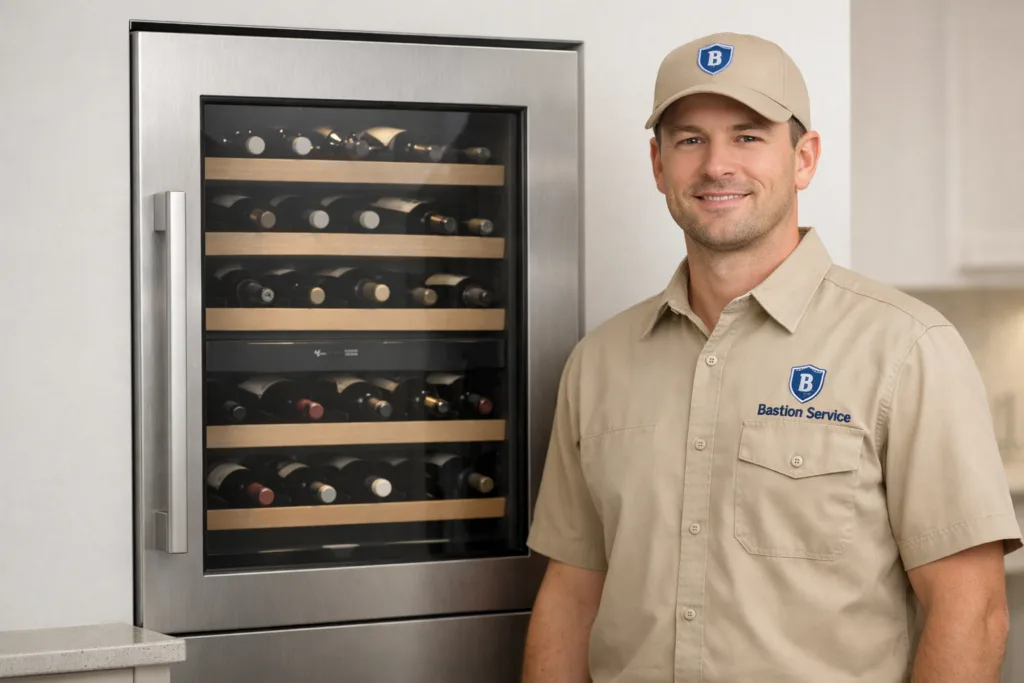




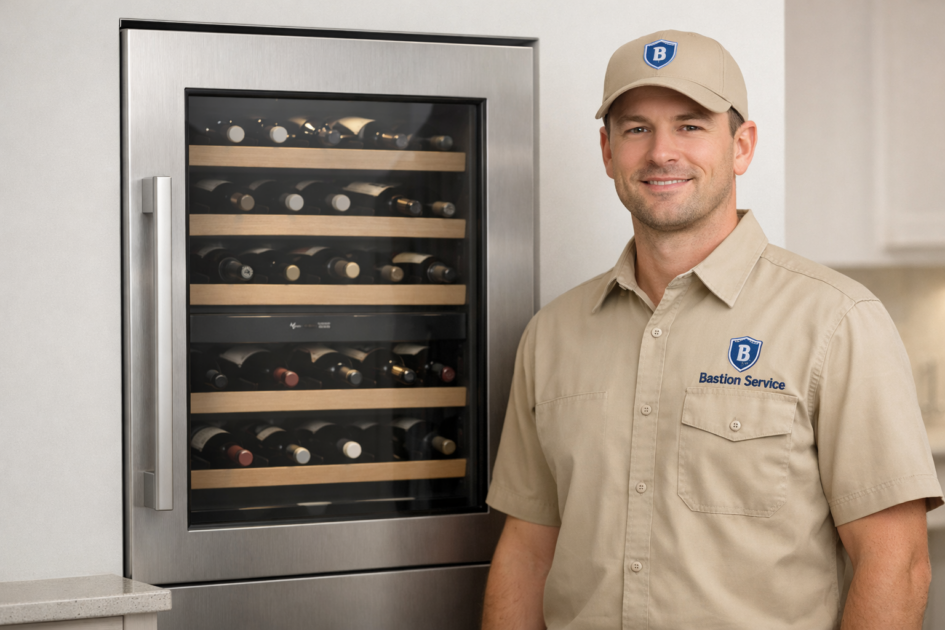
Stable storage depends on more than the number on the display. When a Fisher & Paykel wine cooler begins to warm up, overcool, collect moisture, or sound different than usual, the underlying cause may involve airflow, sensors, controls, drainage, or the sealed cooling system. The most useful next step is to match the repair plan to the actual symptom pattern instead of assuming every cooling complaint has the same fix.
What temperature problems usually point to
If bottles are no longer staying at a consistent serving or storage temperature, the problem can range from simple to more involved. Restricted ventilation, a dirty condenser area, a weak fan, a door that is not sealing well, or a faulty temperature sensor can all lead to unstable cabinet conditions. In other cases, poor cooling may indicate a compressor or refrigerant system issue that changes the repair outlook.
Temperature complaints often show up in one of three ways: the cabinet is too warm overall, certain sections are colder than others, or the unit swings between normal and warm without warning. Each pattern tells a slightly different story and helps narrow down where service should begin.
The cooler is not cold enough
When the interior stays warmer than the setting, common causes include airflow loss, fan failure, sensor inaccuracy, control faults, or a struggling sealed system. If the unit is running but not pulling down to temperature, that usually points to more than a cosmetic issue. Warm storage conditions should be checked promptly to avoid extended stress on the cooling components.
The cooler is too cold
Overcooling can be just as important as warming. A Fisher & Paykel wine cooler that freezes contents, drives the temperature below the set point, or cools one section much more aggressively than another may have a control, thermistor, or fan-related problem. Sometimes the system keeps running because it is receiving the wrong temperature feedback.
The temperature is uneven
Uneven cooling often suggests that air is not circulating properly through the cabinet. That can happen because of fan issues, blocked airflow paths, frost buildup, or installation conditions that prevent the appliance from venting as designed. In built-in setups, even small ventilation restrictions can affect performance over time.
Moisture, condensation, and water leaks
Water inside the cabinet or around the base of the unit should not be ignored. Moisture problems can begin with a worn gasket, a clogged drain, frequent humid air entering the cabinet, or cooling issues that create frost and then meltwater where it does not belong. What starts as a few drops can turn into shelf damage, cabinet staining, or flooring concerns if the source is left unchecked.
Condensation on the glass or door area may also signal that the unit is struggling to maintain normal operating conditions. If the moisture keeps returning after the door is closed and the cooler has time to recover, that usually points to a service issue rather than a one-time fluctuation.
Signs the door seal may be part of the problem
- Visible gaps along the gasket
- Condensation forming repeatedly near the door edge
- The door not closing firmly or evenly
- The cooler running longer than normal after brief openings
Fan noise, buzzing, clicking, and constant running
Wine coolers are not silent, but the sound profile should stay fairly familiar. New buzzing, rattling, repetitive clicking, or a fan noise that suddenly becomes much louder often means a moving part is under strain or obstructed. A unit that seems to run nonstop may be fighting warm air infiltration, ventilation problems, sensor error, or reduced cooling efficiency.
Noise changes are useful because they often appear before complete loss of cooling. A fan blade hitting ice, a loose panel vibrating during operation, or a compressor working harder than usual can all serve as early warnings. When the noise is paired with temperature drift, the problem is less likely to resolve on its own.
Display and control problems
If the display is blank, flashing, unresponsive, or showing behavior that does not match actual cabinet temperature, the cooler may have a control issue rather than a simple cooling one. Problems with the interface, control board, wiring, or sensor input can make the unit appear operational while temperature management becomes unreliable in the background.
Homeowners sometimes notice this when the set point changes unexpectedly, interior lights stop responding correctly, or the cooler restarts irregularly. Because controls and cooling performance work together, electrical symptoms should be evaluated before they lead to spoiled storage conditions or unnecessary parts replacement.
Why built-in installation conditions matter
Many Fisher & Paykel wine coolers are installed in finished kitchen or dining-area cabinetry, which means surrounding conditions can affect performance. Limited airflow around vents, heat from nearby appliances, and tight clearances can all make the cooler work harder. In Venice homes, these placement details are worth checking whenever the complaint involves long run times, inconsistent temperatures, or recurring moisture.
A service evaluation should not stop at the control panel. It should also account for how the appliance is installed, whether air is moving correctly through the cabinet, and whether anything outside the internal components is contributing to the symptom.
When to schedule service instead of waiting
Some short-term changes can happen after the door is opened often or the cooler is newly loaded, but repeated symptoms are a different matter. Service is usually the right call when the unit no longer returns to the set temperature, starts making a new sound that persists, leaks water more than once, or shows unreliable control behavior.
- The cabinet stays warm for hours at a time
- The unit runs constantly without recovering temperature
- Condensation keeps returning on the door or inside surfaces
- There is water under or inside the cooler
- The display flashes, goes blank, or stops responding
- The appliance begins clicking, buzzing, or rattling more than normal
When continued use can make the problem worse
If the wine cooler is steadily warming, building heavy moisture, or producing signs of compressor strain, continued operation can increase wear on major components. A fan problem, blocked airflow path, or failing seal may seem minor at first, but the longer the system compensates for it, the more stress it places on the rest of the appliance.
It is also wise to be cautious when water is collecting around the base or when the cooler is tripping power. In those cases, limiting use until the fault is identified can help reduce the risk of cabinet damage, floor damage, or electrical concerns.
Repair or replacement: how the decision is usually made
Repair often makes sense when the failure is tied to serviceable parts such as fans, sensors, switches, controls, door gaskets, or drainage components, especially if the cabinet and overall condition of the cooler are still good. Replacement becomes more likely when the unit has major sealed system trouble, repeated breakdowns, or age-related wear that makes further investment harder to justify.
The best decision usually comes after testing confirms whether the issue is localized or system-wide. That keeps the choice grounded in the condition of the appliance rather than just the symptom the homeowner noticed first.
What homeowners can observe before service
You do not need to dismantle anything to gather helpful information. A few basic observations can make the symptom easier to describe and speed up diagnosis.
- Whether the cabinet is warm everywhere or only in one section
- Whether the unit is running all the time or cycling oddly
- Whether moisture appears inside, on the glass, or on the floor
- Whether the noise is a buzz, rattle, click, or fan sound
- Whether the display responds normally to settings
- Whether the problem started suddenly or worsened gradually
These details can help distinguish a circulation problem from a control fault or a larger cooling-system issue.
A focused approach to Fisher & Paykel wine cooler service in Venice
Good wine cooler repair is not just about restoring power to the unit. It should confirm actual temperature performance, inspect airflow and door sealing, evaluate fan and control operation, and check for drainage or moisture issues that could point to a deeper fault. For homeowners in Venice, that kind of symptom-based evaluation makes it easier to decide whether repair is practical and whether the appliance can be used safely while the issue is being addressed.


