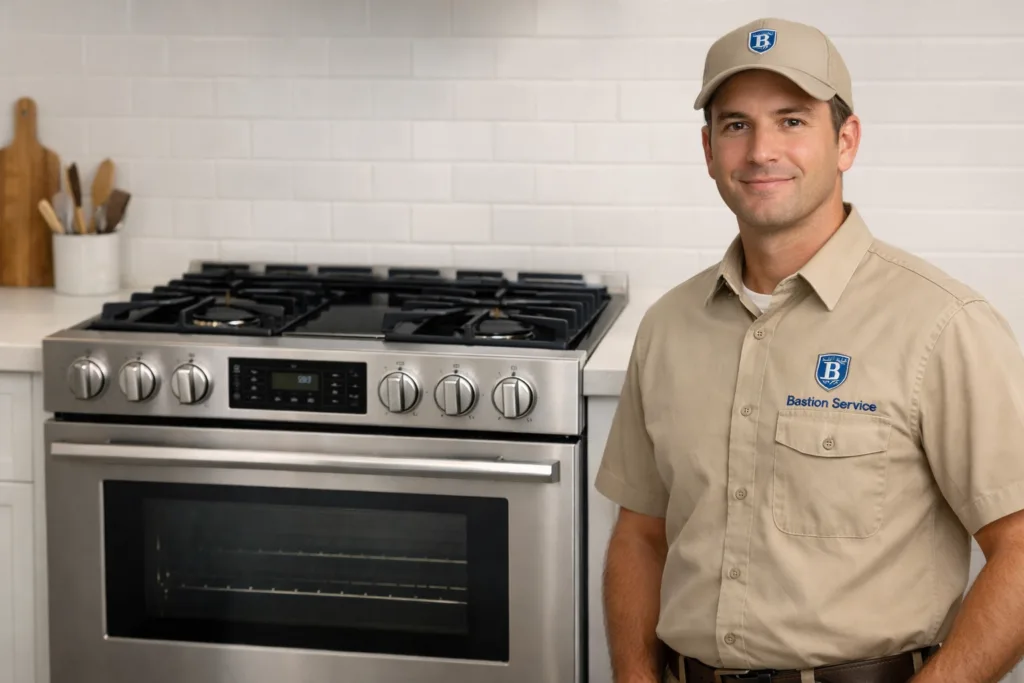
Common Electrolux range problems in Los Angeles homes

Electrolux ranges can develop problems gradually or fail in the middle of a normal meal prep routine. In many households, the first sign is inconsistent cooking performance rather than a complete shutdown. The oven may preheat slowly, a burner may click too long before lighting, or one surface element may stop responding while the rest of the appliance still works normally.
These symptoms can come from very different causes. Depending on the model and fuel type, the issue may involve an igniter, bake element, broil element, temperature sensor, spark system, switch, relay, wiring connection, or the main control. Because several parts can create the same outward symptom, testing the actual circuit or heating system matters more than guessing from appearance alone.
What certain symptoms usually point to
Oven not heating
If the oven turns on but never reaches cooking temperature, the failure is often tied to the heating system itself. On electric models, a bad bake element, damaged element connection, or control issue may be preventing proper heat. On gas models, a weak igniter can glow yet still fail to draw enough current to open the gas valve reliably.
Homeowners often notice this as long preheat times, pale baked goods, or recipes that suddenly need much longer than expected. If the broil function still works but bake does not, that can help narrow the problem to a specific component rather than the entire appliance.
Uneven baking or temperature swings
When food browns too quickly on one side or comes out inconsistent from rack to rack, the problem may be related to a weak element, a drifting temperature sensor, convection issues, or a control that is not regulating heat correctly. This is especially frustrating because the range still appears usable, but cooking results become unreliable.
Temperature-related problems are worth addressing early. Continued use with unstable heat can lead to poor baking performance, overcooked meals, and extra strain on other components as the range keeps cycling to compensate.
Burner clicks constantly or does not ignite well
On gas ranges, repeated clicking, delayed ignition, or a burner that lights only after several tries often points to trouble in the ignition system. Moisture, food residue, burner cap misalignment, a worn electrode, or a failing spark module can all create similar behavior.
If a burner smells like gas before ignition or lights with a noticeable delay, it is best to stop using that burner until the cause is identified. What seems like a minor annoyance can quickly turn into a larger safety concern.
Electric surface element not heating
When one burner stops heating on an electric range, the visible element is not always the only suspect. The receptacle, infinite switch, or wiring harness may also be at fault. In some cases the burner heats only at certain settings, which often suggests switch or connection problems rather than a simple element failure.
This is one reason replacement by guesswork can be frustrating. If the underlying socket or switch is damaged, installing a new element alone may not solve anything.
Display errors or random shutoffs
Error codes, flashing displays, or a range that shuts off mid-cycle can indicate sensor faults, overheating conditions, latch problems, control board issues, or incoming power problems. Intermittent failures are especially common with electronic controls because the range may work normally one day and act up the next.
If resetting the appliance seems to help only temporarily, the fault is usually still present in the background. Repeated resets may hide the pattern without correcting the cause.
Signs the range should not keep being used
Some conditions should move service higher on the priority list. Stop regular use if the range is tripping breakers, producing a burning or overheated wiring smell, sparking, failing to ignite properly, or running far hotter than the selected setting. These are not just performance issues; they can point to electrical or ignition problems that should be checked before the appliance goes back into normal use.
Less dramatic symptoms also matter. A weak igniter can become a no-heat call later. A loose connection at a surface element can damage the receptacle over time. An oven that consistently overheats can affect sensors, controls, and the quality of everyday cooking. Small symptoms often become more expensive when they are ignored for too long.
Repair or replace?
For many Los Angeles homeowners, repair is the reasonable option when the range is otherwise in solid condition and the problem is limited to one serviceable part or system. Igniters, elements, sensors, switches, and some control-related failures can often be addressed without replacing the entire appliance.
Replacement becomes a stronger consideration when the range has multiple major failures at once, when previous repairs have not restored reliable performance, or when the cost of parts and labor begins to outweigh the value of keeping the appliance. Age matters, but condition matters more. A well-kept range with one isolated fault is very different from a unit showing repeated electrical and control problems across several functions.
Helpful details to note before service
If the range is acting up, a few simple observations can make the issue easier to pinpoint. Try to note:
- Whether the problem affects the oven, cooktop, or both
- Whether the issue is constant or only happens sometimes
- If the appliance shows an error code
- Whether the oven is too hot, too cool, or slow to preheat
- Whether a gas burner clicks continuously, lights late, or will not stay lit
- If a surface element works on some settings but not others
- Any unusual smells, sounds, or breaker trips
Those details often reveal whether the failure is tied to heat generation, ignition, power regulation, or electronic control behavior. They also help separate a single failed component from a wider wiring or control issue.
Why symptom-based diagnosis matters
Electrolux cooking appliances can show the same symptom for very different reasons. An oven that will not heat might have a failed element, a weak igniter, a bad sensor, a relay problem, or a power supply issue. A burner that appears dead may actually be dealing with a failed switch or damaged connection below the surface. That is why a symptom-based approach is more useful than replacing the most obvious part first.
For residential Electrolux range repair in Los Angeles, the goal is to identify the failed component, check for related damage, and determine whether the fix is isolated or part of a larger pattern. That gives homeowners a practical repair path and a clearer idea of what to expect from the appliance going forward.
Everyday clues homeowners often notice first
Many range problems show up in ordinary kitchen routines before they become total failures. Dinner takes longer because preheat drags on. Cookies suddenly bake unevenly. One front burner works only after several knob turns. The oven seems hot one day and underpowered the next. These small changes are often the earliest warning signs that a heating, ignition, or control component is wearing out.
Paying attention to those patterns can help prevent a last-minute breakdown when the appliance is needed most. Even when the range still works part of the time, inconsistent operation usually means the problem is already developing into something more than normal wear.