

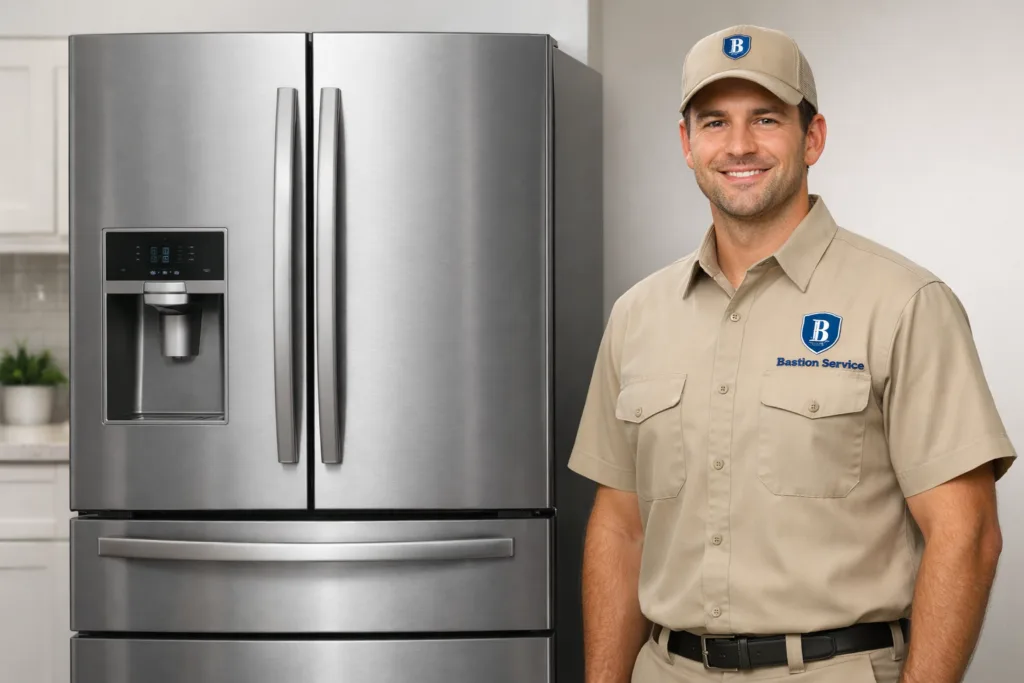
Refrigerator problems rarely stay small for long. A temperature swing that starts with soft ice cream or wilted produce can turn into food spoilage, water on the floor, or a unit that runs nonstop. With Electrolux models, the most useful approach is to match the symptom to the system involved rather than assume one bad part is always to blame.
In Los Angeles homes, refrigerator performance can become especially noticeable during warmer stretches, heavy weekend use, or when the appliance is opened frequently throughout the day. If cooling has become uneven, the freezer is no longer keeping up, or new noises have started, the pattern of those symptoms usually tells a lot about what needs attention.
Common Electrolux refrigerator issues seen in homes
Not cooling well
If the fresh-food section feels warm or the freezer is losing its hold on temperature, several different faults are possible. Dirty coils, blocked airflow, a weak evaporator fan, start device trouble, thermostat or sensor problems, and compressor-related issues can all create similar results. What matters is whether the problem affects both sections equally or shows up in one compartment first.
Homeowners often notice this problem through early food spoilage, longer run times, condensation, or reduced ice production. When cooling falls off gradually, it may point to airflow or defrost trouble. When it happens suddenly, electrical or compressor-start issues are more likely.
Food freezing in the refrigerator section
Items that freeze near the back wall, drawers that turn leafy greens icy, or shelves with very uneven temperatures usually suggest a control or airflow problem. In many Electrolux refrigerators, the fresh-food compartment depends on balanced air movement and accurate temperature feedback. If a damper sticks open, a thermistor reads incorrectly, or the control board mismanages cooling cycles, food can freeze even while the rest of the refrigerator seems normal.
This issue is easy to dismiss at first, but it often signals that temperature regulation is no longer consistent. Left alone, it can shift from overcooling in one zone to poor cooling in another.
Water leaking inside or onto the floor
Water under the crisper drawers, moisture along the bottom of the compartment, or puddles in front of the appliance often come from a clogged defrost drain, frost melt that cannot drain properly, or a water supply issue near the ice maker or dispenser. A leak is more than a nuisance. It can affect flooring, create odor, and lead to hidden moisture buildup around the base of the refrigerator.
If leaking appears after a recent filter change or around the dispenser area, the water path should be checked carefully. If it appears after frost buildup, the drain system is a more likely suspect.
Frost buildup
A thin layer of frost can become a major airflow problem when it forms around the evaporator cover or freezer interior. Excess frost often points to a defrost system issue, a door not sealing fully, or moisture entering the freezer more than it should. Once frost blocks airflow, temperatures can become inconsistent throughout the appliance.
Common signs include a noisy fan, weak cooling in the refrigerator compartment, or frost that keeps returning after manual clearing. Repeated frost is usually a symptom of an underlying failure, not just a one-time inconvenience.
Ice maker or dispenser problems
When the ice maker stops producing, makes hollow cubes, or cycles irregularly, the cause may be low water flow, a frozen fill tube, freezer temperature issues, a bad valve, or a sensor-related fault. In some cases, the dispenser seems to be the problem when the real issue is that the freezer is not cold enough for reliable ice production.
If the dispenser works intermittently, door switch problems or wiring concerns in the door area may also need to be considered. The exact symptom matters: no ice at all, slow production, clumping, leaking, or dispenser failure each point in different directions.
Unusual noises
Electrolux refrigerators make normal operating sounds, but a sudden change is different. Clicking, scraping, buzzing, rattling, or repeated attempts to start can indicate fan interference, ice buildup, failing motors, or compressor-start trouble. A scraping sound often suggests frost contacting a fan blade. A clicking sound followed by no cooling may indicate a compressor that is struggling to start.
When the sound happens is often just as important as the sound itself. Noises during defrost, startup, door opening, or after the unit has run for a while can help narrow the issue much faster.
Why the symptom pattern matters
Two refrigerators can show the same symptom for completely different reasons. A warm interior may come from a bad fan, a defrost failure, a control issue, poor sealing, or a sealed-system problem. Water under drawers may be a blocked drain in one unit and a supply line issue in another. That is why symptom-based diagnosis matters more than replacing parts based on a guess.
Useful diagnosis usually starts with a few questions:
- Is the freezer also warming, or only the refrigerator section?
- Did the problem begin suddenly or gradually?
- Is frost visible on interior panels?
- Is the unit running constantly or not running enough?
- Did the issue begin after a power outage, filter change, or cleaning?
Answers to those questions often separate a manageable repair from a more complex one.
When not to wait on service
Some refrigerator issues can damage food or the appliance itself if they are left alone. Service is worth arranging promptly when the refrigerator is not holding safe temperatures, the compressor clicks repeatedly without starting, frost keeps returning, or water leakage is ongoing. These problems can stress major components and make the eventual repair more involved.
It is also smart to act when the unit runs almost continuously, the freezer is softening food, or temperature swings are becoming more frequent. Refrigerators often give warning signs before a more complete failure, and catching those signs early can help avoid a full loss of cooling.
What homeowners can check before a service visit
There are a few simple things worth confirming before diagnosis begins:
- Make sure the doors close fully and gaskets are sealing evenly.
- Check that food packages are not blocking interior vents.
- Confirm temperature settings were not changed accidentally.
- Look for visible frost on the back wall or freezer panel.
- Note whether lights and display controls are working normally.
- Pay attention to whether the noise is constant, occasional, or tied to certain cycles.
These checks do not replace repair, but they help narrow the likely cause and make the symptom history more useful.
Signs the problem may be getting worse
A refrigerator that is still cooling “a little” can still be in trouble. Warning signs of a worsening condition include:
- Longer run times with no improvement in temperature
- Frequent frost returning after being cleared
- Water appearing in new places inside the unit
- Fresh-food temperatures changing from too warm to too cold
- Repeated clicking, buzzing, or failed startup sounds
- Ice production slowing down while other cooling issues appear
When these signs show up together, the issue is often larger than a simple setting adjustment.
Repair or replacement considerations
Many Electrolux refrigerator problems are repairable, especially when the issue involves fans, sensors, drains, valves, switches, ice maker components, or electronic controls. Replacement usually becomes a bigger discussion when the refrigerator has major sealed-system trouble, repeated high-cost failures, or overall condition that no longer supports a sensible repair investment.
The decision usually comes down to the nature of the failure, the appliance’s overall condition, and whether the repair provides a reasonable path back to stable everyday performance. For homeowners, the goal is not just to get the refrigerator running again, but to restore reliable food storage without continuing uncertainty.
Household-focused Electrolux refrigerator service in Los Angeles
For homes dealing with weak cooling, frost, leaking, noise, or ice maker trouble, the most helpful service starts with identifying which system is actually causing the complaint. That keeps the repair focused on the real fault instead of trial-and-error part changes.
Bastion Service provides Electrolux refrigerator repair in Los Angeles for household refrigeration problems with attention to how the unit is behaving day to day, how urgent the issue is, and what repair path makes the most sense for the home.