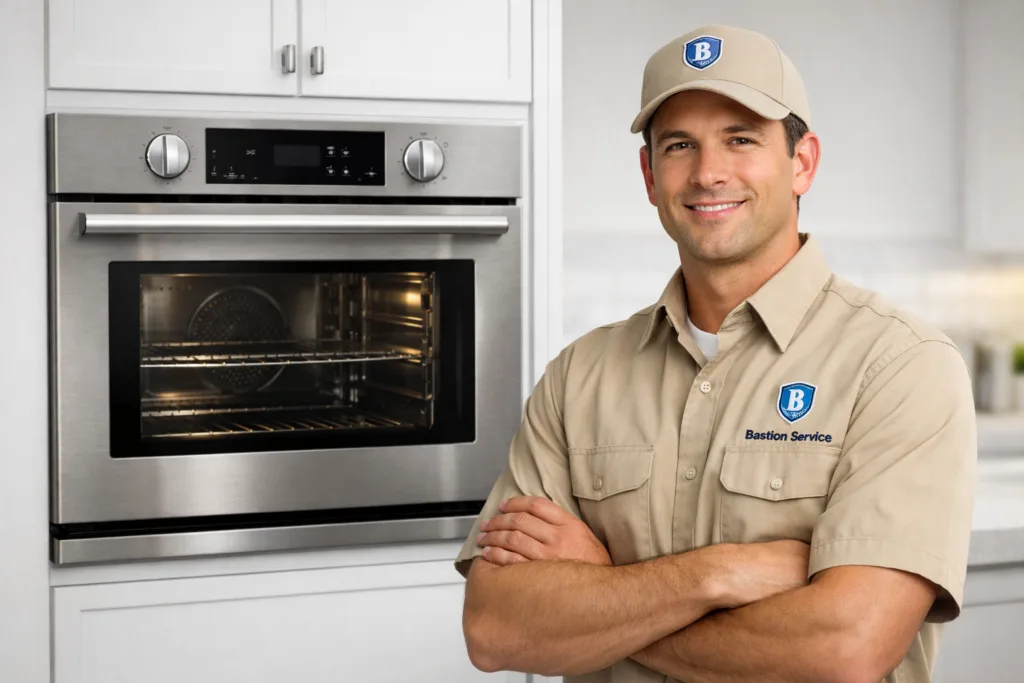
Oven problems are frustrating partly because the symptoms can overlap. A slow preheat, uneven baking, or an oven that shuts off mid-cycle may all seem like one issue from the kitchen, but they often point to different components. On Electrolux models, the difference can be the heating circuit, temperature sensing, control response, airflow, or a power-related fault. Reading the pattern correctly is what helps turn a vague complaint into the right repair plan.
Start with what the oven is actually doing
The most useful clues usually come from everyday cooking results. If food is coming out pale after the normal bake time, the oven may be heating weakly or cycling incorrectly. If dishes burn on top while staying undercooked in the center, the problem may involve temperature control, broil activity, or airflow. If the display works but the cavity never gets properly hot, that points in a different direction than an oven that is completely unresponsive.
Noticing when the problem began also helps. A sudden failure often suggests a part that stopped working outright, while gradually worsening performance can indicate a weakening element, sensor drift, or a fan issue that has been building over time.
Not heating or taking too long to preheat
When an Electrolux oven does not heat, barely warms, or takes far too long to preheat, common causes include a failed bake element, a weak broil element, a faulty igniter on gas models, a sensor problem, or a control board issue. In daily use, this may show up as preheat that never seems to finish, food that needs much longer than expected, or recipes that suddenly stop turning out the way they should.
Some homeowners assume a temperature problem means the oven is still usable if it eventually gets warm. In reality, delayed or incomplete heating often leads to poor cooking results and can make the appliance harder to rely on for routine meals.
Uneven baking, hot spots, or temperature swings
If one side of a sheet pan browns faster than the other, or if baked dishes come out inconsistent from front to back, the issue may be more than simple calibration. Electrolux ovens depend on stable temperature sensing and, on convection models, proper fan operation to distribute heat evenly. When either system is off, the oven may cycle too high, too low, or unevenly throughout the cavity.
Homeowners in El Segundo often notice this first with baking rather than roasting. Cookies, muffins, and casseroles tend to reveal hot spots quickly because they depend on steady heat for predictable results.
Control panel works, but cooking performance does not
A responsive display does not always mean the oven itself is functioning correctly. The touch panel may accept settings while the heating elements fail to energize properly, the sensor sends inaccurate readings, or the control is not managing heat cycles as it should. This is why a lit display and normal beeps are not enough to rule out an actual oven fault.
Will not turn on at all
When the oven appears dead, the fault may involve power supply, wiring, a fuse, the control board, or another electrical component in the unit. If the interior light, display, and cooking functions are all inactive, the issue is usually different from an oven that powers on but will not heat. If the appliance trips a breaker, loses power during operation, or only works intermittently, it is best to stop normal use until the cause is identified.
Error codes, beeping, or unexpected shutdowns
Repeated fault codes or beeping usually mean the control is detecting an abnormal condition rather than a temporary glitch. Depending on the model, that may involve temperature sensor readings, fan faults, latch problems, overheating protection, or electronic control trouble. An oven that shuts off during baking or after self-cleaning should not be treated as normal behavior, especially if the same pattern keeps returning after resets.
Signs the issue may be getting more serious
Some oven problems stay annoying but stable for a while. Others tend to escalate. A few warning signs deserve faster attention:
- Preheat times suddenly much longer than usual
- Food repeatedly undercooked or burned at familiar settings
- Large temperature swings during baking
- Recurring error codes or mid-cycle shutdowns
- Breaker trips during operation
- Visible damage to a heating element
- Burning electrical smell or sparking
On gas models, delayed ignition or failure to light should also be taken seriously. The question is not only whether the oven still works sometimes, but whether it is operating consistently and safely enough for household use.
Common Electrolux oven repair paths
Many Electrolux oven issues come down to a manageable number of component categories. The exact repair depends on the model and symptom pattern, but service often involves one or more of the following:
- Replacing a failed bake or broil element
- Testing and replacing a faulty igniter on gas units
- Checking the oven temperature sensor for inaccurate readings
- Diagnosing convection fan or airflow problems
- Inspecting wiring, terminals, and power-related faults
- Evaluating the electronic control for failed output or logic errors
- Addressing door lock or latch issues tied to error codes or shutdowns
What matters most is matching the repair to the actual failure. Replacing parts based only on a general symptom can lead to unnecessary cost without solving the real problem.
When repair usually makes sense
For many households, repair is worth considering when the problem is limited to a single system and the rest of the oven is in solid condition. Heating elements, igniters, sensors, fan components, and certain control-related issues are often repairable without replacing the entire appliance. This is especially true when the oven still fits the kitchen well and has otherwise been performing normally.
Repair may be less appealing if the oven has multiple unrelated failures, repeated breakdowns over a short period, or significant wear alongside a major electronic issue. In those cases, the real decision comes down to total condition, likely repair scope, and whether the appliance is expected to remain reliable afterward.
How homeowners can describe the problem more clearly
If service is needed, a few details can make diagnosis faster. It helps to note:
- Whether the oven is electric or gas
- If the display and lights still work
- Whether the problem affects bake, broil, convection, or all modes
- If preheat finishes, stalls, or gives an error
- Whether the issue is constant or intermittent
- If the problem began after self-cleaning or a power interruption
These details help distinguish a heating failure from a control, sensor, fan, or power issue. They also help determine whether the oven should be left off until it is checked.
What matters most for residential oven service in El Segundo
Homeowners usually want a straightforward answer to three questions: what failed, is the oven safe to keep using, and is the repair worth it. For Electrolux ovens, those answers depend less on the brand name alone and more on the exact way the problem appears in daily cooking. Once the symptom pattern is narrowed down, it becomes much easier to decide whether the issue is a relatively direct repair or a larger replacement discussion.
If your oven is interrupting normal meals, baking, or weekend cooking at home, the best next step is a diagnosis based on the actual symptom pattern rather than trial and error. That approach helps avoid wasted time, unnecessary parts, and repeat problems that never address the true fault.