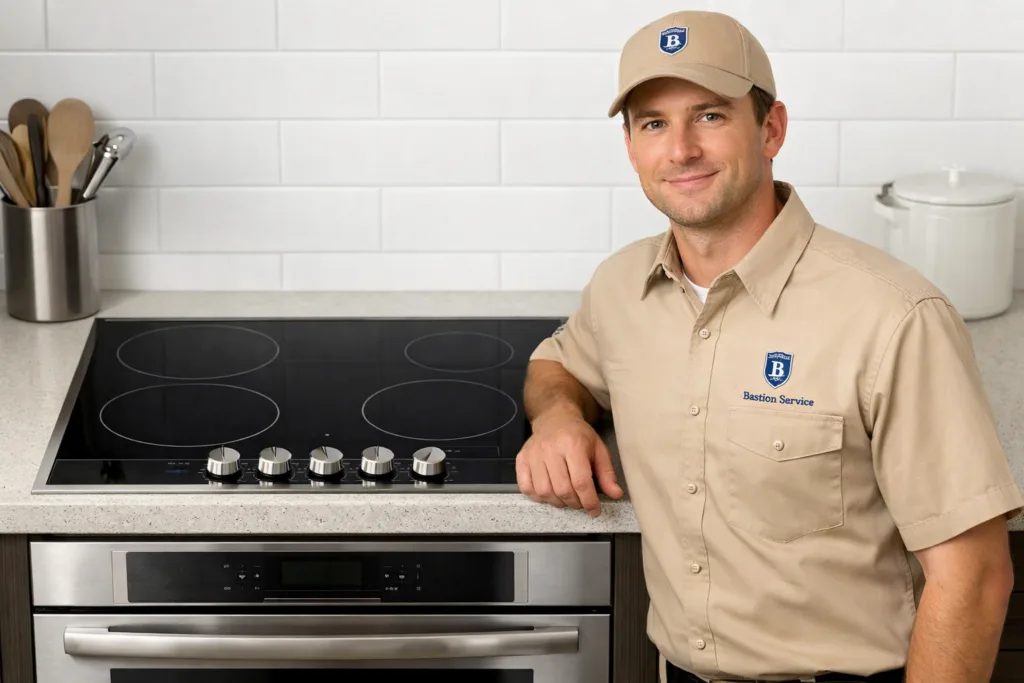
Cooktop problems rarely stay small for long. A burner that heats slowly, an igniter that keeps clicking, or a control that only works part of the time can turn routine cooking into a daily frustration. With Electrolux cooktops, the symptom on the surface does not always point to just one failed part, so it helps to look at the pattern of behavior before deciding on the next step.
How cooktop symptoms usually point to the real problem
One burner failing is different from the whole cooktop losing power. A gas burner that clicks but does not light suggests a different repair path than a radiant or induction zone that stays cold. Even when two issues look similar, the causes can range from a worn switch or damaged element to wiring faults, moisture intrusion, sensor problems, or a failing control board.
That is why symptom-based troubleshooting matters. It helps narrow down whether the issue is isolated, whether the cooktop may still be safe to use, and whether repair is likely to be worthwhile for the appliance you already have.
Common Electrolux cooktop problems in West Los Angeles homes
Burner does not heat or ignite
On electric models, a burner that will not heat may be caused by a failed element, a bad switch, a loose connection, or a control issue. On induction models, the problem can involve pan detection, a sensor fault, or a module that is no longer communicating correctly. On gas models, failure to ignite may come from a blocked burner head, a wet igniter area, a faulty spark system, or a gas flow problem.
If the failure affects only one burner, the repair may be limited to a specific component. If multiple burners show the same symptom, the issue may be more central to the unit.
Uneven heating or poor temperature control
When a cooktop runs too hot, too cool, or cycles unpredictably, cooking results usually suffer before the appliance stops working entirely. Electric and induction zones may struggle because of a weakening element, sensor drift, or a control fault. Gas burners may produce uneven flame because of clogged ports, burner cap misalignment, or restricted gas delivery.
Uneven heat is worth addressing early because ongoing use can place extra strain on switches, modules, and surrounding components.
Clicking that will not stop
Constant clicking on a gas cooktop often means the ignition system is being triggered when it should not be. Common causes include moisture after cleaning, residue from spills, a sticking switch, or a failing igniter. If the clicking continues after the surface is dry and clean, the cooktop should be checked before normal use continues.
If there is a strong or persistent gas odor, stop using the appliance and handle safety first. Appliance repair should come after the immediate gas concern is addressed.
Cracked glass or surface damage
A cracked glass cooktop is more than a cosmetic issue. Damage to the surface can affect heat distribution and may allow moisture to reach internal components. In some cases, the cooktop may still appear to work, but continued use can increase risk and lead to more expensive internal damage.
Surface damage should be evaluated carefully before the appliance is used again.
Controls do not respond properly
Unresponsive touch controls, loose knobs, or settings that do not match the heat output can all point to control-system wear. Sometimes the fault is mechanical, such as a damaged stem or worn switch. In other cases, the issue is electronic and tied to the interface or main control. When controls behave inconsistently, it becomes much harder to use the cooktop safely and predictably.
Cooktop shuts off, loses power, or trips the breaker
Power-related symptoms usually deserve prompt attention. A cooktop that cuts out during use, trips the breaker, or goes dead intermittently may have a shorted component, damaged wiring, overheating protection fault, or internal electrical failure. These are not symptoms to ignore, because intermittent electrical problems often worsen over time.
Signs you should stop using the cooktop until it is checked
Some problems are inconvenient. Others raise enough safety concern that continued use is not a good idea. It is smart to stop using the cooktop if you notice:
- A persistent gas smell
- Repeated sparking or clicking that does not stop
- Cracked glass on the cooking surface
- Burners overheating or not regulating properly
- Power loss, breaker trips, or signs of electrical arcing
- Controls that activate the wrong burner or fail unpredictably
In these situations, using the appliance as-is can turn a repairable problem into broader damage.
What often happens after spills, boil-overs, or cleaning
Many cooktop issues begin right after a spill or a heavy cleaning session. Moisture can reach ignition switches, residue can interfere with spark behavior, and liquid that seeps below the surface can affect wiring or controls. Homeowners in West Los Angeles often notice that a burner starts clicking, fails to ignite, or behaves erratically soon after this kind of event.
Sometimes the issue clears once the area is fully dry. When it does not, the remaining symptom usually means a component was affected and needs closer inspection.
When repair usually makes sense
Repair is often the better choice when the problem is limited to one burner, one igniter, one switch, or another defined part of the cooktop. If the appliance is otherwise in solid condition and the failure is isolated, targeted service can restore normal use without replacing the entire unit.
This is especially true when:
- The cooktop has a single recurring symptom
- The rest of the burners and controls are working normally
- The glass and main structure are in good shape
- The problem appeared recently rather than after years of worsening performance
When replacement may be the better investment
Replacement becomes more reasonable when the cooktop has major glass damage, multiple failing systems, or repeated electronic problems that suggest broader wear. If an older unit has burner issues, control issues, and power issues at the same time, repair costs can stack up quickly.
The key question is not just whether the current symptom can be fixed, but whether the cooktop is likely to return to stable daily use afterward. A proper diagnosis helps separate a worthwhile repair from a short-term patch.
What West Los Angeles homeowners usually want to know
Most people want straightforward answers: Is the cooktop safe to use right now? Is the issue likely isolated or part of a larger failure? Is repair practical, or is replacement the smarter move? Those answers come from the symptom pattern, the appliance condition, and whether related components show signs of wear or damage.
For households in West Los Angeles, the most useful approach is to act early when the symptom repeats, avoid forcing the appliance through a worsening problem, and base the repair decision on the actual fault rather than trial-and-error part replacement.