
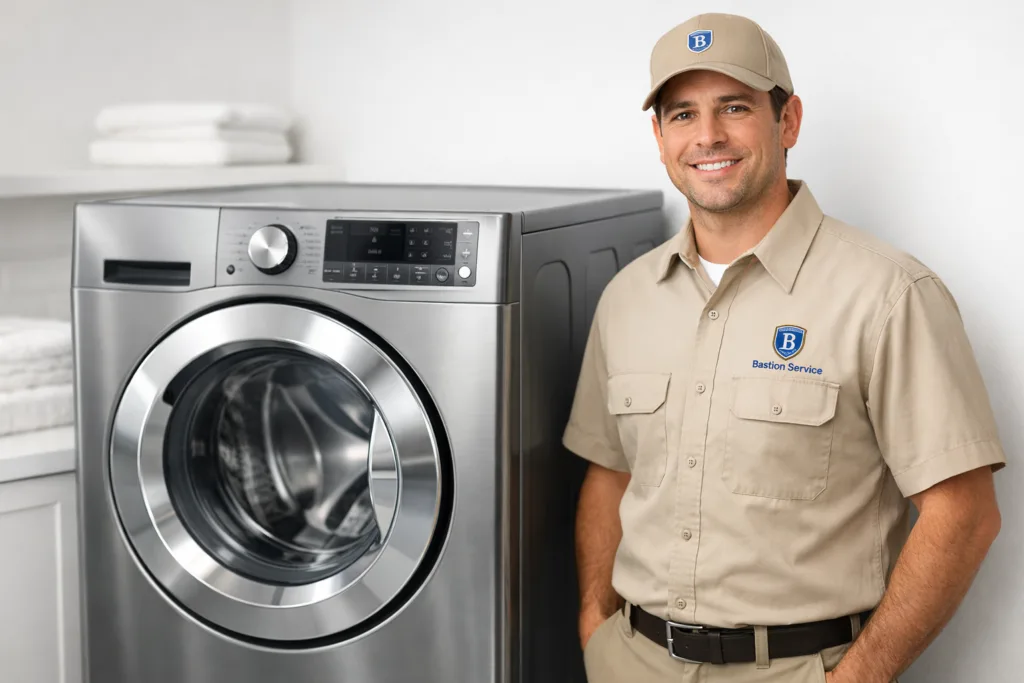




Small Electrolux issues often turn into bigger household disruptions
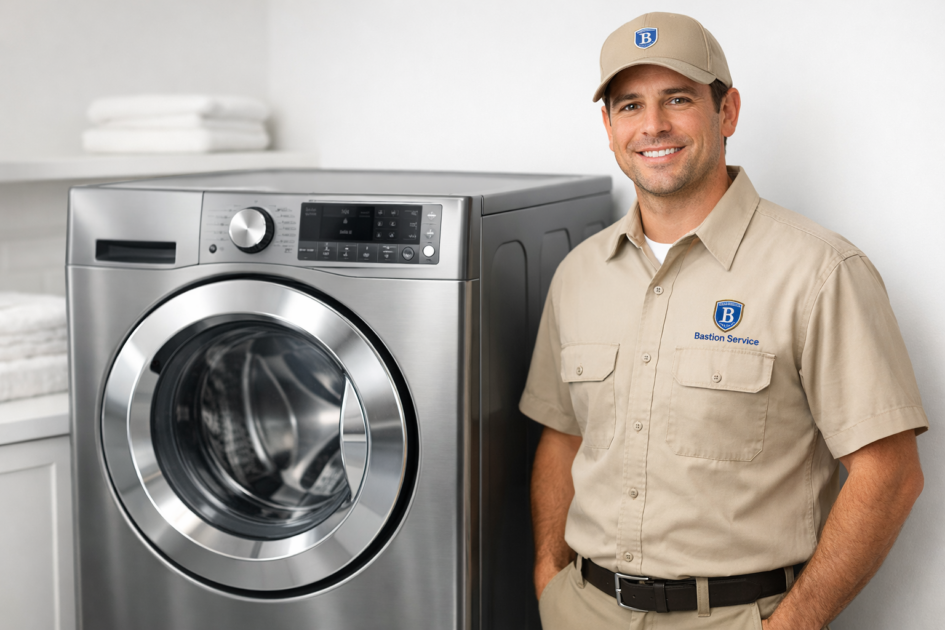
A refrigerator that starts running longer than usual, a washer that leaves clothes wetter than normal, or an oven that suddenly cooks unevenly can all seem manageable at first. The problem is that appliance symptoms rarely stay the same for long. What starts as a minor annoyance can quickly become food spoilage, water damage, poor drying performance, or a cooking appliance that no longer feels safe to use.
For homeowners in West Los Angeles, the most useful starting point is to look at the actual symptom pattern instead of guessing at a part. The same outward problem can come from very different failures, and the right repair decision depends on whether the issue is isolated, recurring, or likely to worsen with continued use.
How to read common Electrolux appliance symptoms
Refrigerator and freezer problems that need attention early
Cooling problems usually show up before the appliance fully stops working. You might notice soft frozen food, milk spoiling early, water collecting under drawers, heavy frost, or a refrigerator that seems to run almost nonstop. Unusual fan noises, inconsistent temperatures between sections, or warm spots inside the cabinet can also point to airflow or defrost trouble.
In many cases, the cause may involve door sealing, clogged drainage, fan operation, sensors, or sealed-system components. Some issues are straightforward, while others are more serious. If basic checks such as confirming settings and making sure doors close properly do not solve the problem, it is wise to stop waiting for it to “correct itself.”
Freezers deserve the same attention. Ice buildup, rising temperatures, or thaw-and-refreeze cycles can affect food quality quickly. If the freezer does not recover after the door has remained closed for several hours, the problem is usually beyond normal use conditions.
Washer issues that affect drainage, spinning, and leaks
Electrolux washers often signal trouble through one of a few patterns: failure to drain, a tub that stays unbalanced, loud spinning, water remaining in the drum, or cycles that stop before completion. A door that will not lock, a machine that vibrates more than usual, or clothing that comes out overly wet can also indicate a fault that should not be ignored.
Not every washer issue means a major repair, but repeated drainage problems or leaking around the unit should be addressed promptly. Water escaping onto the floor can damage surrounding surfaces, and continued operation with a pump or balance problem can add stress to other components.
If the washer is repeatedly pausing, failing to spin correctly, or producing unusual noises during agitation or drain phases, that usually means the problem is becoming more than a one-time interruption.
Dryer symptoms that point to airflow or heating trouble
Dryers often become less efficient before they stop working. Common warning signs include clothes that need multiple cycles to dry, a drum that turns without heat, overheating, burning odors, thumping sounds, or a dryer that shuts off too soon. Some of these symptoms are tied to airflow restriction, while others may involve sensors, heating parts, belts, rollers, or electrical issues.
Long dry times are easy to dismiss, but they often mean the appliance is working harder than it should. That extra strain can shorten the life of components and create safety concerns if heat is not being managed properly. If the cabinet becomes unusually hot, the smell seems abnormal, or drying performance drops sharply, it is best not to keep testing the machine cycle after cycle.
Dishwasher problems that are more than a cleaning issue
An Electrolux dishwasher may show early problems through cloudy dishes, standing water, incomplete draining, poor drying, unusual humming, or a cycle that stops midway. Leaking around the door or under the unit is more urgent because even a slow leak can affect flooring and cabinetry before it becomes obvious.
Some dishwasher complaints come from loading or detergent issues, but persistent drainage problems, repeated interruptions, or water collecting where it should not be are stronger signs of mechanical or control trouble. If the machine continues filling, draining poorly, or leaving significant residue after normal use, diagnosis helps separate a simple maintenance issue from a part failure.
Cooktop, oven, and range performance problems
Cooking appliances usually make problems noticeable through uneven heating, slow preheating, burners that click repeatedly, controls that do not respond consistently, or an oven that runs too hot or too cool. Electric units may have trouble with elements, switches, sensors, relays, or wiring. Gas-equipped models can show ignition-related faults or burner performance issues.
Uneven baking is one of the most misleading symptoms because it often looks like a food or recipe problem. If dishes are browning too quickly on one side, taking much longer than expected, or coming out inconsistently from one use to the next, the appliance may not be regulating temperature correctly. That is especially important to address when the oven shuts off unexpectedly or struggles to maintain heat.
Signs you should stop using the appliance until it is checked
Some symptoms allow limited short-term use, but others call for stopping immediately. A strong burning smell, visible sparking, repeated breaker trips, severe grinding noises, major leaks, or rapid cooling loss are all warning signs that continued use could cause extra damage or create a safety concern.
- Stop using a washer or dishwasher if water is escaping onto the floor.
- Stop using a dryer if there is overheating, smoke, or a persistent burning odor.
- Stop using a refrigerator or freezer if temperatures are rising enough to threaten food safety.
- Stop using a cooktop, range, or oven if controls behave unpredictably or electrical symptoms are present.
If a gas cooking appliance has repeated clicking, ignition should be evaluated before normal use resumes. If there is a strong or persistent gas smell, leave the appliance off and follow appropriate gas safety steps before arranging repair.
Why symptom-based diagnosis matters with Electrolux appliances
Brand familiarity helps, but symptom accuracy matters more than assumptions. A noisy refrigerator does not always have a compressor problem. A dishwasher that does not dry well may not have the same cause as one that does not wash well. A dryer with no heat can point to airflow trouble, electrical supply issues, or failed heating components. An oven that cooks unevenly may be dealing with a sensor problem rather than a bad element.
That is why the most reliable repair plan begins with what the appliance is doing in real use: how often the issue happens, whether it is getting worse, and whether there are related signs like noise, odor, leaks, poor temperature control, or interrupted cycles. This kind of practical repair guidance helps homeowners avoid replacing parts based on guesswork.
Repair or replace: what usually makes the decision easier
Many Electrolux household appliances are worth repairing when the failure is specific and the overall condition of the unit is still solid. Pumps, door components, igniters, sensors, rollers, switches, heating parts, and similar components can often justify repair when the appliance has otherwise been dependable.
Replacement becomes more likely when there are repeated breakdowns, high repair costs tied to multiple systems, visible wear that affects normal operation, or a major failure in a unit that has already had reliability issues. The best decision usually comes from weighing four things together:
- the severity of the current symptom
- whether the issue is isolated or recurring
- the overall condition of the appliance
- the cost of restoring reliable use
For many households in West Los Angeles, age matters less than the appliance’s recent track record. A well-maintained unit with one clear failure is very different from one that has been showing multiple warning signs across several months.
What homeowners can check before scheduling service
Without taking anything apart, there are a few useful observations that can make the next step more productive:
- Note whether the problem is constant or happens only during certain parts of a cycle.
- Check for leaks, frost buildup, unusual heat, or error displays.
- Listen for clicking, buzzing, grinding, or fan noise that was not present before.
- Confirm that settings were not changed accidentally and that doors close fully.
- Pay attention to whether performance has declined gradually or failed suddenly.
These details often say more than a general statement like “it stopped working right.” They can help narrow the likely cause and make it easier to decide how urgent the problem really is.
Choosing the next step for an Electrolux appliance in West Los Angeles
Whether the issue involves refrigeration, washing, drying, dishwashing, or cooking, the best next move depends on present behavior rather than optimism that one more cycle will fix it. If the appliance leaks, overheats, loses temperature, trips power, or shows worsening performance, scheduling service sooner is usually the better choice.
For homeowners in West Los Angeles, Electrolux appliance problems are easiest to manage when they are addressed while the symptom pattern is still clear and before secondary damage develops. That approach leads to a more informed repair-versus-replacement decision and a better chance of restoring normal use without unnecessary delay.


