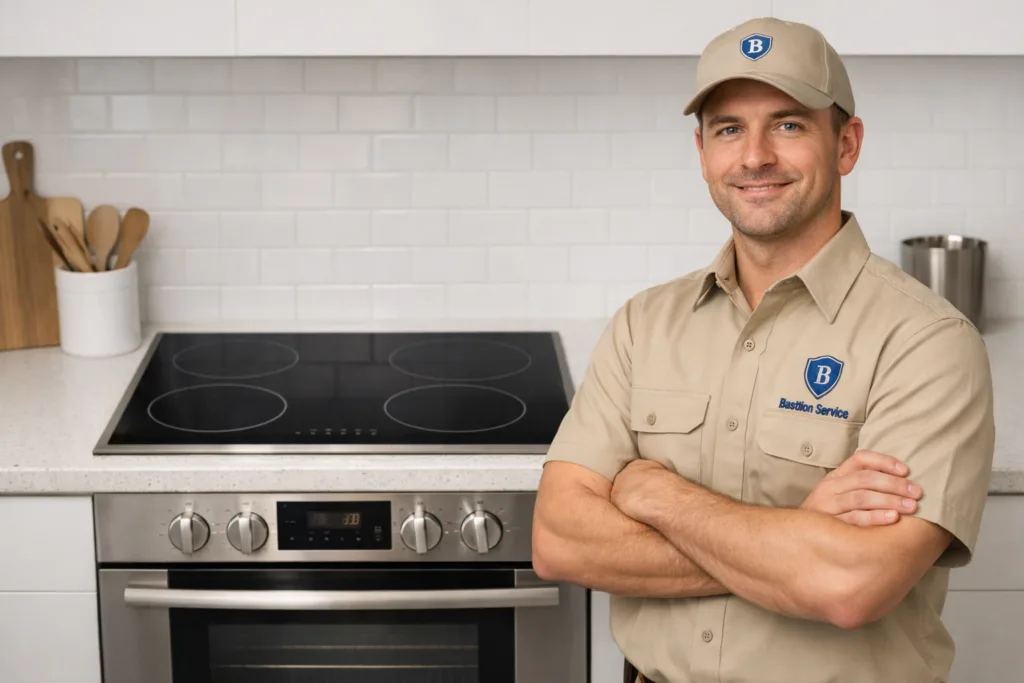
A cooktop problem usually shows up in the middle of a normal routine: one burner stops heating, ignition becomes unreliable, or heat control stops matching the setting on the knob. With Electrolux units, the same symptom can come from different parts of the system, so the most useful starting point is to match the repair path to the exact behavior of the burner, controls, and power supply.
How Electrolux cooktop problems are usually diagnosed
Good troubleshooting starts with the pattern of the failure. If only one burner is affected, the issue is often isolated to that burner’s igniter, switch, element, valve-related component, or wiring connection. If several burners are acting up at once, the cause may involve a shared control, spark system, incoming power issue, or another component that serves more than one cooking zone.
That symptom-based diagnosis matters because replacing parts too early can waste time and money. A burner that seems completely dead may still have a healthy element but a failed switch. A gas burner that clicks continuously may not need a full ignition assembly if moisture, burner cap alignment, or debris is interrupting the spark path. Looking at the full symptom pattern helps narrow the repair correctly.
Common signs homeowners notice first
- Burner will not heat: Often tied to a bad element, failed switch, damaged wiring, or a control problem depending on the model.
- Repeated clicking on a gas cooktop: Can point to moisture, food residue around the igniter, burner cap misalignment, or a weak spark system component.
- Uneven or weak heat: May come from a worn element, poor burner flame distribution, restricted burner ports, or faulty regulation of power to the burner.
- Burner gets too hot and will not regulate: Often linked to a faulty switch or control issue that is no longer cycling heat correctly.
- Intermittent operation: Sometimes caused by loose electrical connections, heat-damaged wiring, or internal component failure that appears only during use.
- Controls feel loose or do not respond normally: Knob shaft wear, failed switches, or electronic control trouble can make cooking unpredictable.
What specific symptoms can indicate
Different cooktop styles fail in different ways, even within the same brand. On gas models, ignition trouble is often related to the igniter, spark module, burner head condition, or contamination around the burner assembly. On electric radiant models, a burner that stays cold or overheats may be tied to the surface element, infinite switch, limiter, or wiring at the element connection point.
Induction-style issues can be more complex because the problem may involve pan detection, control communication, cooling components, or the power board rather than the visible cooking surface itself. That is why the details matter: whether the problem affects one zone or all zones, whether the issue happens every time or only sometimes, and whether the failure starts cold or after the cooktop has been in use for a while.
Clues that help narrow the fault
Homeowners in Hermosa Beach can often describe the issue in a way that makes diagnosis easier. Helpful details include:
- Whether the problem is limited to one burner or several
- Whether the burner ever works normally and then fails
- Whether clicking continues after the flame lights
- Whether a burner is stuck on high heat
- Whether the unit loses power during cooking
- Whether the problem began after a spill, cleaning, or breaker trip
Those details often point toward either a localized part failure or a broader control-related issue.
Burners not heating, heating slowly, or heating unevenly
When a burner does not heat at all, the failed part is not always the visible burner itself. Electric cooktops can lose heat because of an open element, a bad switch, or a damaged connection where the element receives power. In some cases, the burner heats only partway or takes much longer than usual, which can suggest a weakened element or inconsistent power delivery.
On gas units, uneven flame or slow heating can happen when burner ports are blocked, the cap is not seated correctly, or gas flow is not distributing evenly. A burner that lights but does not heat cookware consistently should still be checked, because unstable performance tends to get worse rather than better with continued use.
Clicking, ignition trouble, and delayed lighting
Continuous clicking is one of the most common complaints on gas cooktops. Sometimes the cause is simple, such as moisture after cleaning or debris interfering with the spark path. Other times the issue is a worn igniter, failing spark module, or switch problem that keeps the ignition system active longer than it should be.
Delayed ignition should not be ignored. If a burner takes repeated attempts to light, or lights with a small flare after several clicks, the burner assembly and ignition components should be evaluated before routine use continues. Repeated failed starts put extra wear on the ignition system and can make the appliance less predictable during everyday cooking.
Control problems and burners that do not regulate properly
A burner that runs too hot, does not respond to lower settings, or cycles erratically often points to a control issue rather than a simple heating problem. On electric models, a faulty infinite switch can send the wrong amount of power to the burner. On electronic models, the problem may involve touch controls, relays, or communication between user controls and the heating system.
These faults are especially important to address because they affect cooking accuracy and safety. If the cooktop cannot hold a simmer, overshoots the selected temperature, or stays on when turned down, it is better to stop relying on that burner until it has been checked.
Cracked glass and visible surface damage
If the cooktop has a cracked glass surface, chipped area near a burner, or signs of impact damage, the unit should be assessed before further use. Surface damage can affect structural stability, heat distribution, and the condition of components underneath the glass. In some cases, what looks cosmetic on top can expose a more serious repair question below the surface.
Spills that seep into damaged areas can also affect switches, wiring, and internal components. Whether repair is worthwhile depends on the extent of the damage, the age and condition of the cooktop, and whether the issue is limited to the surface or has spread to working parts beneath it.
When to stop using the cooktop and schedule service
Some symptoms are inconvenient but manageable for a short time. Others are signs that continued use could make the repair larger or create an unsafe condition. It is wise to stop normal use and have the appliance evaluated if you notice any of the following:
- A burner that will not turn off or stays excessively hot
- Repeated clicking that does not stop
- Intermittent power loss during cooking
- A breaker that trips when the cooktop is used
- Sparking, burning odor, or signs of heat damage
- Cracked glass around an active cooking zone
If there is ever a strong or persistent gas odor, do not continue troubleshooting the appliance yourself. Stop using the cooktop, leave the area if necessary, and contact the gas utility or emergency service first.
Repair or replacement: what usually makes sense
Many Electrolux cooktop problems are repairable when the failure is limited to one burner component, a switch, igniter, wiring repair, spark-related part, or a clearly identified control issue. Replacement becomes more likely when the cooktop has multiple major faults at once, severe glass damage, extensive electrical damage, or repair costs that approach the value of the unit.
For many households in Hermosa Beach, the deciding factors are straightforward: whether the failure is isolated, whether the repair restores normal daily use, and whether the overall condition of the appliance supports investing in it. A newer unit with one failed burner part may be an easy repair choice. An older cooktop with repeated breakdowns and major surface damage may not be.
What homeowners in Hermosa Beach should watch before a service visit
Before scheduling Electrolux cooktop repair in Hermosa Beach, it helps to note exactly what the cooktop is doing. Identify which burner is affected, whether the issue happens on every use, and whether the problem changes after the cooktop warms up. That information makes it easier to confirm whether the failure is in the burner assembly, control side, ignition system, or incoming power path.
It also helps to avoid using the faulty burner repeatedly to “test” it. If a burner overheats, clicks constantly, or loses power during use, repeated attempts can put more stress on switches, igniters, wiring, and nearby components.
Keeping the repair focused and practical
The best outcome is not just getting the cooktop working once, but restoring predictable cooking performance. That means matching the repair to the actual failed part, checking related components that may have been affected, and making sure the unit heats, ignites, and regulates normally after service. For Hermosa Beach homeowners, that approach makes it easier to decide whether repair is practical and whether the appliance is likely to return to reliable everyday use.