
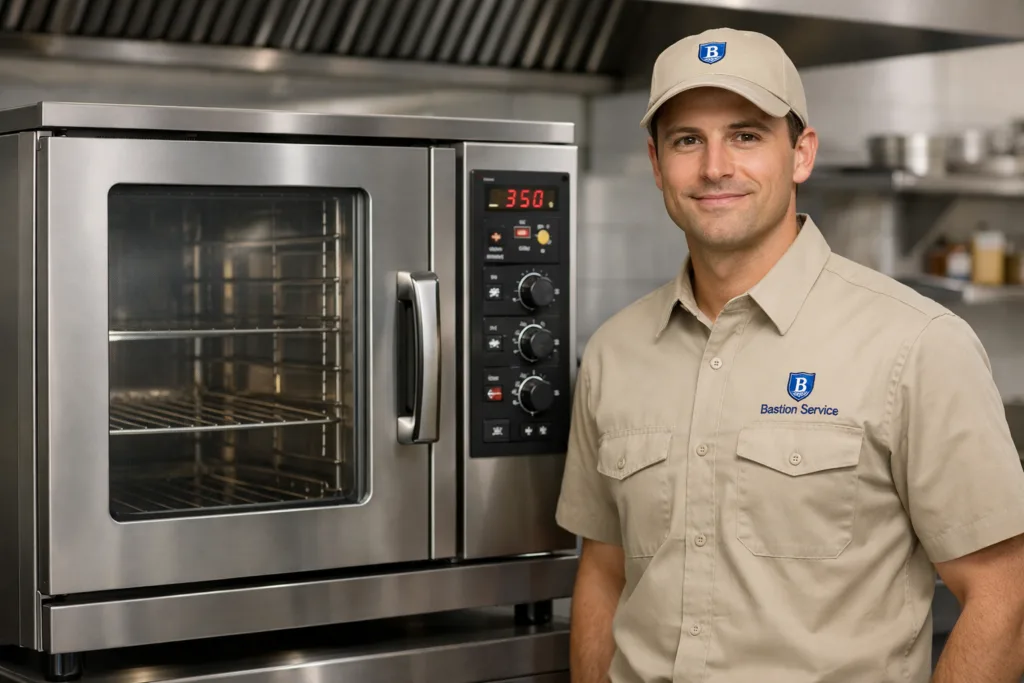





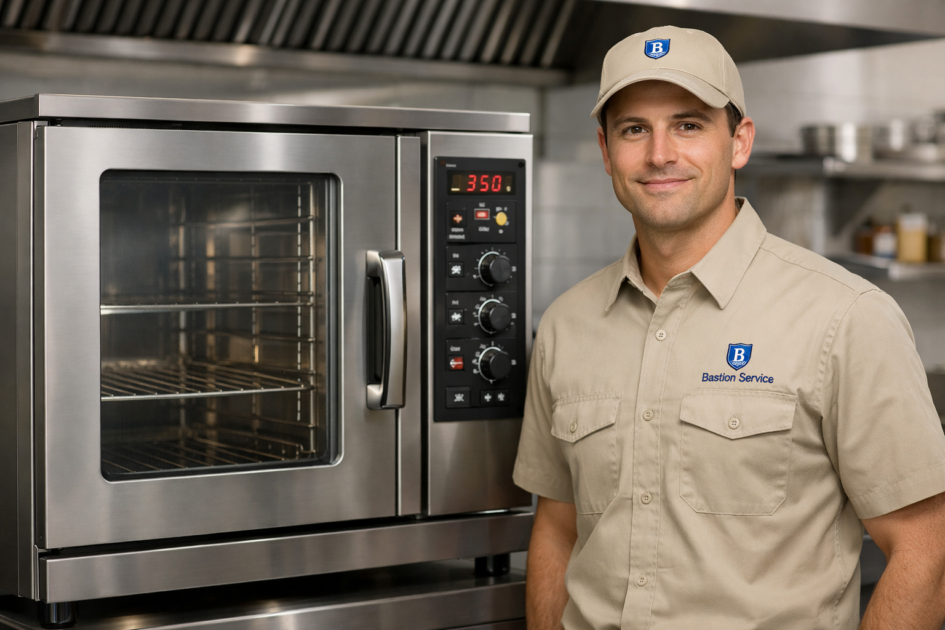
When a commercial oven starts disrupting output, the real cost is rarely limited to one batch or one shift. Delays in preheat, uneven cavity temperatures, and intermittent shutdowns can affect ticket times, holding quality, labor flow, and confidence in every item moving through the line. The most useful next step is to identify whether the problem is tied to heat generation, temperature sensing, airflow, controls, or a basic mechanical issue such as a door that no longer seals correctly.
Related commercial equipment paths in Del Rey include Blodgett Oven Repair in Del Rey and Southbend Oven Repair in Del Rey.
Common oven problems and what they usually point to
Uneven baking, slow warmup, temperature drift, failure to reach set temperature, and mid-cycle shutdowns are among the most common commercial oven complaints. Those symptoms can come from failing elements, weak igniters, inaccurate sensors, thermostat or control board faults, damaged wiring, airflow restrictions, or worn door gaskets that let heat escape. A unit may still appear operational while producing inconsistent results, which is why symptom pattern matters as much as whether the oven turns on at all.
Some issues need faster attention than others. If the oven trips breakers, produces unusual odors, displays control errors, overheats, or repeatedly drops below cooking temperature during use, continued operation can increase the chance of component damage and unplanned downtime. Intermittent faults are especially disruptive in commercial settings because they can be hard for staff to work around and often worsen under full production load.
Symptoms that affect cooking consistency
If product is coming out darker on one side, taking longer than normal, or requiring staff to rotate pans to get acceptable results, the problem may involve heat distribution rather than a complete failure. Convection fan issues, sensor drift, weak heating output, or poor door sealing can all create hot spots and recovery problems. In Del Rey kitchens, these are often the issues that quietly reduce throughput before the oven stops working entirely.
Slow preheat and poor temperature recovery
An oven that preheats slowly or struggles to recover after the door opens can bottleneck service even if it eventually reaches the set point. This often suggests a weakening igniter, reduced element output, control problems, or power supply issues that limit heating performance. If the same cooking line is also having trouble with oil temperature or burner-driven cooking equipment, Commercial Fryer Repair in Del Rey may be the better service path for that separate station.
How to tell whether the issue is mechanical, electrical, or control-related
Mechanical problems often show up as loose hinges, damaged door seals, warped racks, or latches that do not close securely. These may seem minor at first, but lost heat and poor sealing can distort cook times and force the oven to work harder than normal. Electrical faults are more likely to appear as power loss, breaker trips, intermittent heating, dead displays, or failures that happen only during certain stages of operation.
Control-related issues usually involve inconsistent cycling, inaccurate temperature readouts, error codes, or settings that do not match actual cavity performance. In those cases, replacing parts by guesswork can waste time because the visible symptom may not be the failed component. A sensor issue, relay issue, or board issue can produce similar complaints from the operator’s perspective, even though the repair path is different.
When service should be scheduled
Service should be scheduled when staff have started compensating for the oven instead of trusting it. That includes extending cook times, rotating product more often, avoiding certain rack positions, restarting the unit mid-shift, or reducing menu use because performance is no longer predictable. Once those workarounds become normal, the oven is already affecting labor efficiency and food consistency.
Prompt service is also important when the unit is shutting off unexpectedly, failing to ignite reliably, overheating, or showing repeated temperature variance from the set point. A partial-failure condition can place added stress on controls, relays, and heating components, turning a manageable repair into a longer outage if the problem is left in place.
Operational impact in a commercial kitchen
Commercial ovens support more than one cooking task, so even moderate performance issues can ripple through prep schedules, rush periods, and holding plans. A unit that runs 25 degrees low or takes too long to recover can create rework, waste, and timing problems across multiple stations. In a business environment, the practical question is not just whether the oven can still run, but whether it can support normal volume without creating quality risk.
For operations in Del Rey, that distinction matters because a unit can remain technically functional while still undermining output. Businesses often notice the problem first through inconsistent results, longer tickets, or rising staff adjustments rather than through a full no-heat failure.
Repair versus replacement
Repair is often the better option when the issue is limited to elements, igniters, sensors, switches, wiring, relays, fan components, or door hardware and the oven is otherwise in solid working condition. Replacement becomes more likely when breakdowns are frequent, control support is limited, internal wear is extensive, or the expected repair cost no longer makes sense for the remaining service life of the unit.
The decision should be based on actual failure points, downtime exposure, and whether the oven can return to stable daily use after service. For many businesses, restoring dependable performance is more valuable than stretching a failing unit through repeated interruptions. A well-scoped repair can often extend usable life significantly, while a replacement decision makes more sense when reliability has already become too costly to manage.
What a useful service visit should accomplish
A productive commercial oven repair visit should do more than confirm that the unit is malfunctioning. It should narrow the fault to the components or conditions actually causing the symptom, identify any related wear that may affect reliability, and clarify whether the problem is isolated or part of a broader equipment issue. That gives a business a realistic basis for approving repair, planning around downtime, and avoiding repeat failures from incomplete diagnosis.
For commercial oven repair in Del Rey, the goal is straightforward: restore dependable cooking performance, stable temperature control, and predictable operation so the equipment supports the workload instead of interrupting it.


