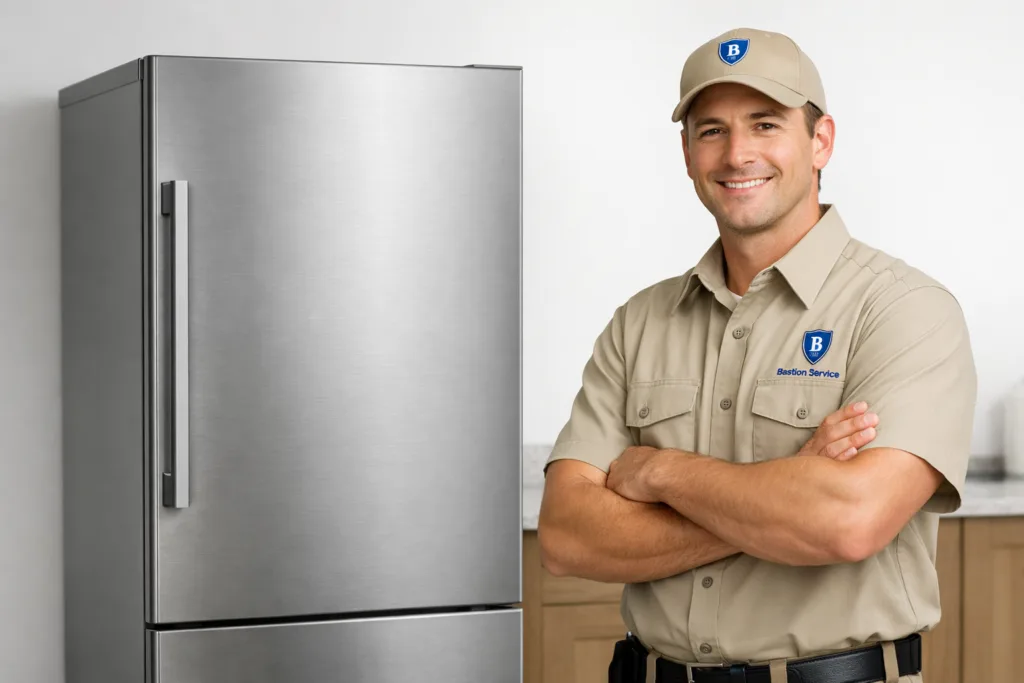
Freezer issues usually show up first in everyday use: food softens, frost spreads across the interior, the cabinet gets noisy, or water appears on the floor. With a Blomberg unit, those symptoms can come from airflow restrictions, defrost failures, sealing problems, fan issues, control faults, or a more serious cooling-system problem. Sorting out which system is responsible is the fastest way to protect food and avoid replacing parts that are not actually causing the trouble.
Common Blomberg freezer problems in Del Rey homes
Most household freezer complaints fall into a few patterns. Paying attention to exactly what changed, when it started, and whether the problem is constant or intermittent can make the repair path much clearer.
Freezer not freezing hard enough
If the compartment feels cold but food is not staying fully frozen, the cause may be poor air circulation, a weak evaporator fan, a thermostat or sensor issue, a start problem at the compressor, or frost blocking airflow behind interior panels. In some cases, the freezer may cool unevenly, with one section colder than another. That often points to circulation or defrost trouble rather than a simple setting issue.
Another clue is whether the freezer runs continuously without reaching the expected temperature. When that happens, the system may be working harder than normal because cold air is not moving properly or because a key cooling component is underperforming.
Frost buildup inside the cabinet
Frost on shelves, bins, or the back wall usually means moisture is entering the compartment or the automatic defrost system is not clearing ice as designed. A worn door gasket, a door that is not closing squarely, or containers preventing a full seal can all let humid air in. If frost keeps returning soon after it is removed, the underlying issue typically needs repair rather than repeated manual defrosting.
Heavy ice buildup can also choke off airflow to the point that the freezer starts warming even though some parts of the system are still running. Homeowners often notice this as “still on, but not freezing right.”
Unusual noise, clicking, or loud fan sound
A freezer will always make some normal operating sounds, but sudden clicking, repeated buzzing, rattling, or a fan noise that becomes noticeably louder should not be ignored. Clicking followed by failed startup can indicate a problem with the compressor start components. Scraping or ticking may come from a fan hitting ice. A constant loud hum paired with weak cooling can suggest the machine is struggling to maintain temperature.
If the sound changed at the same time the cooling performance changed, that combination usually matters more than the noise alone.
Water leakage or ice in the wrong place
Water near the freezer can come from a blocked defrost drain, meltwater not reaching the drain path, excess frost thawing, or a door seal problem that introduces extra moisture. Ice collecting around drawers or along the floor of the compartment can also point to drainage or airflow issues. Even a small leak is worth checking early, because it often signals a problem developing behind the interior panel.
Symptom patterns that help narrow the cause
One of the most useful things a homeowner can do is notice the pattern rather than focusing on a single symptom. A freezer that is warm only after the door has been opened may suggest a sealing or airflow problem. A freezer that warms up, then seems normal again for a while, may be dealing with a fan, sensor, defrost, or control fault. A unit that never really returns to proper temperature may be facing a more serious cooling issue.
- Warm food and heavy frost: often linked to defrost or door-seal problems.
- Warm food and repeated clicking: may point to compressor start trouble.
- Cold in one area, soft in another: often suggests blocked or weak airflow.
- Water under the unit plus frost inside: commonly tied to drain or defrost issues.
- Runs nonstop with little improvement: can indicate a system working under strain.
Why the same symptom can lead to different repairs
Two Blomberg freezers can show the same household complaint and still need entirely different repairs. Frost buildup might come from a torn gasket, a door alignment issue, a failed defrost heater, a sensor problem, or ice blocking air channels. A freezer that seems warm might need a fan motor, a control component, or evaluation for sealed-system trouble. That is why careful testing matters before any repair recommendation is made.
For homeowners in Del Rey, this is especially important when the freezer is still partly operating. A unit that is “sort of cooling” is often harder to judge by symptom alone, and guessing can lead to unnecessary expense.
When to stop waiting and schedule service
Some freezer problems can escalate quickly. It is smart to arrange service when the unit cannot keep food frozen, frost returns right after clearing, the compressor struggles to start, or the freezer is running almost constantly. These issues rarely correct themselves and may place extra stress on major components.
You should also schedule help if the freezer works again temporarily after being unplugged and restarted. Short-term recovery often means the fault is intermittent, not gone. Fans, sensors, control boards, and defrost components can all behave that way before failing more consistently.
What continued use can make worse
Trying to push a struggling freezer through normal daily use can add wear and increase food loss risk. If ice is blocking airflow, the system may keep running without delivering proper freezing performance. If the compressor is making repeated startup attempts, that repeated strain can worsen the failure. If the door is not sealing, moisture keeps entering and creates more frost, which then reduces airflow even further.
Once food starts softening, limit unnecessary door openings and avoid loading in new groceries until the problem has been assessed.
What homeowners can check before a visit
A few simple observations can be helpful before service begins. Check whether the door is closing completely and whether any containers or bags are preventing a proper seal. Look for visible frost around the door opening or along the back interior panel. Confirm that the control setting has not been changed accidentally. Make sure food packages are not pressed tightly against interior vents, which can disrupt circulation.
If the freezer is making repeated clicking sounds, avoid continued restart attempts. If there is water on the floor, note whether it appears after defrosting cycles or seems constant. These details can make troubleshooting faster and more accurate.
Repair versus replacement considerations
Many Blomberg freezer issues are repairable, especially when they involve fans, gaskets, drains, defrost parts, or controls. The decision becomes more complicated when the freezer has major compressor or sealed-system trouble, a history of repeated breakdowns, or an estimate that does not make sense for the appliance’s age and condition.
The right next step depends on the exact failure, the overall condition of the unit, and how likely the repair is to restore stable freezing performance. For households in Del Rey, the most useful approach is a diagnosis based on the real symptom pattern so the decision is based on evidence rather than guesswork.