
C36C-2B24CBManufacturer product
Independent Wolf repair

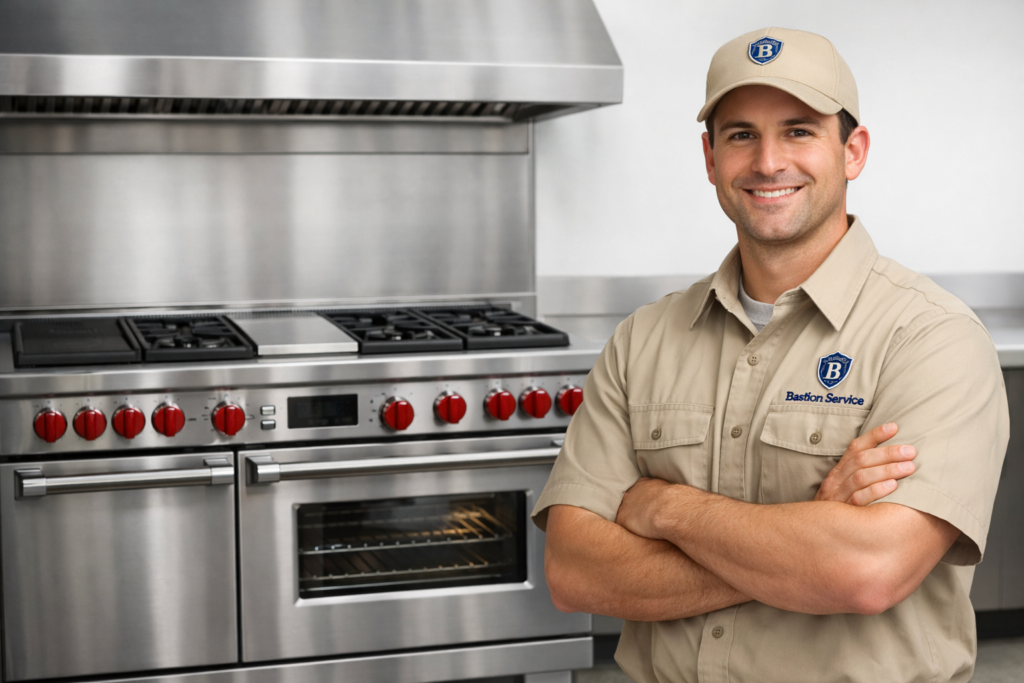
Wolf Repair in Los Angeles
Diagnosis and repair for supported Wolf appliances and equipment in Los Angeles. Same-day service is available.
- Same-day service available
- 90-day repair warranty
- Estimate before repair
$85 / $120 service callHome appliance / business equipment
Applied to repairIf you approve the estimate
Open 7 days8 AM-6 PM
Serving Los AngelesOn-site diagnosis and repair
Diagnosis first
What a service technician checks
Good diagnosis starts with the exact symptom, model, operating conditions, and service history. The technician tests the systems connected to the failure instead of replacing parts by guesswork.
- Power, supply, and controls to confirm the machine can start and complete its normal sequence.
- Airflow, water, heat, and movement as applicable to the exact equipment type.
- Error history and model data before matching parts, manuals, or service information.
Model reference
Wolf models and manuals
Use the model search to confirm that your equipment is listed. The model and serial label is still the final reference for service information.
Model reference
112 models
Wolf equipment model references
Bastion Service repairs Wolf equipment. These model and manual references help identify your equipment; symptoms alone do not confirm a diagnosis.
Manual candidates require the complete model, serial/build and installed controller to be checked. A specification sheet is not an operating manual. These references do not authorize installation or DIY repair.
Repair service only. New equipment installation is not offered.
Oven repairChallenger XL ranges34
C36S-2B24CBManufacturer product
C36C-2B24GManufacturer product
C36S-2B24GManufacturer product
C36C-36GManufacturer product
C36S-36GManufacturer product
C36C-6BManufacturer product
C36S-6BManufacturer product
No PDF recorded
C48C-2B36GManufacturer product
C48S-2B36GManufacturer product
C48C-4B24GManufacturer product
C48S-4B24GManufacturer product
C48C-8BManufacturer product
C48SS-8BManufacturer product
C48S-8BManufacturer product
C60SS-10BManufacturer product
C60SC-10BManufacturer product
C60SC-4B36GManufacturer product
C60SS-4B36GManufacturer product
C60SS-6B24CBManufacturer product
C60SC-6B24CBManufacturer product
C60SS-6B24GBManufacturer product
C60SC-6B24GBManufacturer product
C60SS-6B24GManufacturer product
C60SC-6B24GManufacturer product
C72CC-12BManufacturer product
C72SS-12BManufacturer product
C72SC-12BManufacturer product
C72CC-6B36GManufacturer product
C72SS-6B36GManufacturer product
C72SC-6B36GManufacturer product
C72CC-8B24GManufacturer product
C72SS-8B24GManufacturer product
C72SC-8B24GManufacturer product
Electric convection ovens2
Gas convection ovens2
Gas fryers2
WF300Manufacturer product
No PDF recorded
WF400Manufacturer product
No PDF recorded
WX ranges4
WX24-4BManufacturer product
No PDF recorded
WX36-6BManufacturer product
No PDF recorded
WX60F-6B24GManufacturer product
No PDF recorded
WX60-10BManufacturer product
No PDF recorded
Historical Challenger XL / F453024
C72SC-12BNManufacturer specification identity reference
No PDF recorded
C72SC-12BPManufacturer specification identity reference
No PDF recorded
C72CC-12BNManufacturer specification identity reference
No PDF recorded
C72CC-12BPManufacturer specification identity reference
No PDF recorded
Historical Challenger XL / F453042
C72SS-8B24GNManufacturer specification identity reference
No PDF recorded
C72SS-8B24GPManufacturer specification identity reference
No PDF recorded
Historical Challenger XL / F453034
C72SC-8B24GNManufacturer specification identity reference
No PDF recorded
C72SC-8B24GPManufacturer specification identity reference
No PDF recorded
C72CC-8B24GNManufacturer specification identity reference
No PDF recorded
C72CC-8B24GPManufacturer specification identity reference
No PDF recorded
Historical Challenger XL / F453452
C72SS-12BNManufacturer specification identity reference
No PDF recorded
C72SS-12BPManufacturer specification identity reference
No PDF recorded
Historical Challenger XL / F453484
C60SS-4B36GNManufacturer specification identity reference
No PDF recorded
C60SS-4B36GPManufacturer specification identity reference
No PDF recorded
C60SC-4B36GNManufacturer specification identity reference
No PDF recorded
C60SC-4B36GPManufacturer specification identity reference
No PDF recorded
Historical Challenger XL / F453464
C60SS-6B24GNManufacturer specification identity reference
No PDF recorded
C60SS-6B24GPManufacturer specification identity reference
No PDF recorded
C60SC-6B24GNManufacturer specification identity reference
No PDF recorded
C60SC-6B24GPManufacturer specification identity reference
No PDF recorded
Historical Challenger XL / F453054
C72SC-6B36GNManufacturer specification identity reference
No PDF recorded
C72SC-6B36GPManufacturer specification identity reference
No PDF recorded
C72CC-6B36GNManufacturer specification identity reference
No PDF recorded
C72CC-6B36GPManufacturer specification identity reference
No PDF recorded
Historical Challenger XL / F453424
C36S-36GNManufacturer specification identity reference
No PDF recorded
C36S-36GPManufacturer specification identity reference
No PDF recorded
C36C-36GNManufacturer specification identity reference
No PDF recorded
C36C-36GPManufacturer specification identity reference
No PDF recorded
Historical Challenger XL / F453444
C60SS-10BNManufacturer specification identity reference
No PDF recorded
C60SS-10BPManufacturer specification identity reference
No PDF recorded
C60SC-10BNManufacturer specification identity reference
No PDF recorded
C60SC-10BPManufacturer specification identity reference
No PDF recorded
Historical Challenger XL / F453292
C72SS-6B36GNManufacturer specification identity reference
No PDF recorded
C72SS-6B36GPManufacturer specification identity reference
No PDF recorded
Historical Challenger XL / F453334
C60SS-6B24GBNManufacturer specification identity reference
No PDF recorded
C60SS-6B24GBPManufacturer specification identity reference
No PDF recorded
C60SC-6B24GBNManufacturer specification identity reference
No PDF recorded
C60SC-6B24GBPManufacturer specification identity reference
No PDF recorded
Historical Challenger XL / F453352
C48SS-8BNManufacturer specification identity reference
No PDF recorded
C48SS-8BPManufacturer specification identity reference
No PDF recorded
Historical Challenger XL / F453374
C48S-8BNManufacturer specification identity reference
No PDF recorded
C48S-8BPManufacturer specification identity reference
No PDF recorded
C48C-8BNManufacturer specification identity reference
No PDF recorded
C48C-8BPManufacturer specification identity reference
No PDF recorded
Historical Challenger XL / F453384
C36S-6BNManufacturer specification identity reference
No PDF recorded
C36S-6BPManufacturer specification identity reference
No PDF recorded
C36C-6BNManufacturer specification identity reference
No PDF recorded
C36C-6BPManufacturer specification identity reference
No PDF recorded
Historical Challenger XL / F453394
C48S-4B24GNManufacturer specification identity reference
No PDF recorded
C48S-4B24GPManufacturer specification identity reference
No PDF recorded
C48C-4B24GNManufacturer specification identity reference
No PDF recorded
C48C-4B24GPManufacturer specification identity reference
No PDF recorded
Historical Challenger XL / F453414
C48S-2B36GNManufacturer specification identity reference
No PDF recorded
C48S-2B36GPManufacturer specification identity reference
No PDF recorded
C48C-2B36GNManufacturer specification identity reference
No PDF recorded
C48C-2B36GPManufacturer specification identity reference
No PDF recorded
Historical Challenger XL / F453404
C36S-2B24GNManufacturer specification identity reference
No PDF recorded
C36S-2B24GPManufacturer specification identity reference
No PDF recorded
C36C-2B24GNManufacturer specification identity reference
No PDF recorded
C36C-2B24GPManufacturer specification identity reference
No PDF recorded
Historical WX / WF537062
WX24-4BNManufacturer specification identity reference
No PDF recorded
WX24-4BPManufacturer specification identity reference
No PDF recorded
Historical WX / WF537072
WX36-6BNManufacturer specification identity reference
No PDF recorded
WX36-6BPManufacturer specification identity reference
No PDF recorded
Historical WX / WF537092
WX60F-6B24GNManufacturer specification identity reference
No PDF recorded
WX60F-6B24GPManufacturer specification identity reference
No PDF recorded
Historical WX / WF537082
WX60-10BNManufacturer specification identity reference
No PDF recorded
WX60-10BPManufacturer specification identity reference
No PDF recorded
Symptoms and maintenance
equipment symptoms and care by family
Match the complete model, serial/build and installed controller before using a document.
Bastion Service repairs existing equipment. We do not install new equipment.
No matching reference. This does not determine service availability.
WC4E electric convection ovens5 topics
Back to models and manualsOfficial operating manual: F51058 Rev. B (09/01/2023), electric convection
Start with the panel, not a parts guess
Match the full model and installed controls. On the illustrated dial panel, the heat lamp cycles with the elements; the timer alarm does not switch the oven off.
What should I report about uneven baking or spilling?
Describe the affected racks, selected temperature and whether food browns unevenly or moves toward a pan edge. Temperature and rack loading can affect browning; warped pans or oven level may explain spilling. Neither symptom identifies a failed element. Do not reposition connected equipment to test it.
Keep daily care surface-specific
This edition specifies daily exterior and porcelain-interior cleaning. Match cleaning products to the actual finish; routine surface care is not a daily technician-service requirement.
Do not oil a sealed-bearing motor
The specified fan motor needs no bearing lubrication. Rear intakes need regular cleaning and the cool flue needs periodic checks. Neither inspection has a numbered interval here.
Cool and isolate before maintenance
Water on hot door glass can cause breakage. Follow cooling and electrical isolation precautions. Operation may resume after power returns; do not treat an outage as a repair procedure.
WC4G gas convection ovens5 topics
Back to models and manualsOfficial operating manual: F51059 Rev. B; cover 09/01/2023, footer 01/09/2023 unresolved
Identify the gas control panel
Match the exact model and panel before interpreting lights. The white lamp follows burner operation; the red ignition lamp describes a different condition. A finished timer does not shut off heat.
What should I report about the red ignition light?
Report whether the light flashed briefly or stayed on during the attempt you already observed. A persistent indication can involve missing gas supply, but does not identify a failed part. Request qualified assessment without repeating ignition attempts or adjusting gas valves.
Browning does not identify a failed burner
Temperature and loaded racks can affect browning. Pan warping or oven level may explain product movement. Report the pattern rather than assuming a burner replacement.
Separate daily surfaces from the circulation tube
Exterior and porcelain-interior care are daily. This edition specifies snorkel-tube cleaning at least weekly. The tube schedule does not apply to every oven component.
Protect glass and leave internal work to service
Let equipment cool and follow electrical-isolation precautions before cleaning. Water on hot glass risks breakage. Do not use heated chemical cleaning or energized testing as repair shortcuts.
Challenger XL gas ranges5 topics
Back to models and manualsOfficial operating manual: F35696 Rev. E (07-08), Challenger XL gas ranges
Match the range configuration
This historical reference is for ranges, not standalone convection ovens. Provide model, serial and gas type from an accessible plate; do not move connected equipment to reach it.
Where is the range oven baking unevenly?
Report side-to-side, front-to-back or top/bottom differences. Door closure, pans, temperature and ventilation need different checks. Burner placement or gas regulation may require service. The pattern does not prove a thermostat fault; leave internal adjustments to a technician.
Report ignition trouble and unusually hot controls
Pilot outage, poor ignition or unusually hot or sticking valve controls need assessment. These symptoms do not establish which part failed. Do not attempt relighting or valve repairs.
Apply griddle care only when a griddle is fitted
Oven, door and exterior care are daily. A fitted griddle needs after-use cleaning; grease-drawer attention is needed as conditions require and at least daily. Grease buildup can impair griddle heat transfer.
Keep cleaning separate from repair
Let equipment cool and follow gas and electrical isolation precautions. Do not pressure-wash the range. Moving-part wear requires service; permanently lubricated convection motors do not make the whole range maintenance-free.
Historical Challenger XL: model and section identification8 topics
Back to models and manualsInclude the final letter when reporting your range model
Send the complete model and serial number from the equipment label, including the final N or P. These specification sheets list separate natural-gas and propane versions. A shortened C72 model name does not identify the fuel version. Have the technician confirm the installed configuration before selecting parts; this reference does not provide fuel-conversion instructions.
Tell us which oven or cooking surface has the problem
When requesting repair, identify the left oven, right oven, open burners, or griddle, and describe what changed during normal use. The listed SC and CC configurations do not have the same oven arrangement. A problem in one cavity should not be recorded as a failure of both. A photo of the model label and visible controls helps the technician resolve conflicting descriptions in older specification sheets.
Identify the griddle controls before describing temperature trouble
For an 8B24G range, include a photo of the visible griddle controls and explain whether the complaint affects the griddle or an oven below it. These sheets distinguish the standard manual griddle from an optional thermostatic version. Do not assume a thermostat fault from the model name alone. Leave control identification and diagnosis to the technician; no panel removal or adjustment is needed for the service request.
One oven is cooking differently from the other
For a C60SS or C60SC range, report which oven changed and whether the problem began recently or has always occurred with the same load. These configurations do not all have matching oven cavities or the same oven type. A difference between sides is useful service information, not proof that a thermostat needs replacement. Include the full model label and the affected side so the technician can assess the correct configuration.
Separate a cooking-surface complaint from an oven complaint
Describe the affected surface as a particular open burner, the griddle, or an oven below it. Include its position and whether the rest of the range appeared normal when the problem occurred. A twelve-burner range and a range with a griddle need different intake details, even when both are called Challenger XL. Report what you already observed; do not relight equipment or adjust components just to compare sections.
A pan fits one oven but not another
Include the pan size, affected oven and whether the rack or pan was recently changed when reporting a fit or door-closing problem. Challenger XL variants use different cavity and rack arrangements, and some two-oven ranges do not have identical cavities. A fit difference alone does not establish a damaged door or rack. Do not force the door or modify a rack; have the technician confirm the equipment configuration and inspect any new obstruction.
Tell us which part of the griddle-broiler changed
On a C60SS-6B24GB or C60SC-6B24GB range, distinguish the griddle surface, broiler opening, open burners and ovens when describing a problem. Keep GB and the final fuel letter in the model number. A griddle-only range with a similar name is not the same configuration. Report the affected section and what you observed during normal use; do not adjust or relight components to test it.
Include the complete C48 model and a front view
For a C48 range, send the full model label and a photo of the oven doors and visible controls with your service request. C48S, C48C and C48SS are different labels, and an older C48SS specification contains conflicting oven-count descriptions. Do not choose replacement parts from a shortened model name or an illustration alone. Describe the affected section so the technician can verify the actual equipment.
WX ranges: visible configuration observations2 topics
Back to models and manualsGrease is appearing beside a WX60F range
For a WX60F-6B24G range, describe whether grease is collecting near the griddle, its external trough, or beneath the appliance. Include a photo of the visible area and the complete model label. The external trough is part of this documented configuration, so its location matters when describing a spill. These observations do not establish the cause; leave removal, adjustment and diagnosis to the technician.
Identify the WX oven that is not heating as expected
Include WX and every following character when reporting an oven problem. The listed WX24 and WX36 configurations have one standard oven; the listed WX60 and WX60F configurations have two. For a two-oven unit, say which side changed and whether the other side appeared normal during use. Do not apply Challenger or convection-oven troubleshooting just because another Wolf range looks similar.
Challenger CB: identify the affected section1 topic
Back to models and manualsIdentify the affected section of a Challenger CB range
Include the full model and serial number from the rating plate when requesting service. For a model ending in CB, describe whether the complaint involves the charbroiler, an open burner or an oven. On a two-oven unit, identify which cavity is affected. Do not shorten CB to G or GB when sharing the model number: a similar-looking specification can describe different cooking equipment. This identification note does not establish the cause of a heating problem or replace instructions matched to your installed unit.
WC4 and WC44: deck and door observations2 topics
Back to models and manualsTell us which oven deck is affected
For a WC44ED or WC44GD, identify whether the upper oven, lower oven or both are affected. Record the temperature and fan settings already in use for each deck, along with whether the problem started at the same time. Include the rating-plate information for each section when accessible without moving equipment. These double-deck configurations have section-specific heating and blower equipment; a symptom in one deck does not by itself identify a failed part or establish that both decks need the same repair.
Describe a change in door movement
These WC4/WC44 specifications describe linked doors designed to move together. If door movement changes, report which door sticks or lags and whether the pair closes evenly. On a stacked oven, identify the affected deck. This observation does not prove a broken chain or a hinge failure. Do not force the doors or adjust the internal linkage; have a technician assess the mechanism on the exact installed model.
WF300 and WF400: gas fryer symptoms and care5 topics
Back to models and manualsWF300 or WF400 does not heat
For a WF300 or WF400 that is not heating, report the thermostat setting and whether the pilot was already out when the problem began. The manual lists operating-state issues as well as wiring and thermopile problems that need service. Those are possible causes, not a diagnosis of your fryer. Send the model, serial number and gas type from the rating plate. Leave gas-system and electrical checks to a qualified technician; this symptom guide is not a pilot-lighting procedure.
WF300 or WF400 runs too cool or too hot
Record the selected temperature and whether the problem starts during warm-up or after cooking begins. The manual points to the thermostat setting, high-limit protection and temperature probe as checks relevant to insufficient or excessive heat. Overheating can shut off both the gas valve and pilot. Repeated overheating needs service; do not bypass the safety control or keep relighting the fryer to continue cooking.
WF300 or WF400 tank does not drain
Poor draining can be associated with shortening that is too cold or debris in the drain path. Tell the technician when draining stopped and whether it was slow or completely blocked. A blockage is not a reason to dismantle the drain or push tools into a tank of hot oil. The WF300/WF400 instructions specify liquid shortening; do not melt solid shortening in the tank. Have trained staff follow the unit and filtering-equipment instructions, and request service if the drain remains blocked.
Grease buildup and marks on the fryer exterior
Burned-on grease and discoloration can build up when routine exterior cleaning is missed. Include exterior cleaning in the daily care schedule and allow safe cooling before touching surfaces. Use a soft damp cloth with mild detergent, following the stainless-steel grain. Avoid metal scouring pads, harsh abrasives and cleaners containing chlorine, sulfates or sulfides. Keep water and cleaning work away from hot oil; this guidance does not replace the tank-cleaning procedure.
Care records to bring to a fryer service visit
Have the last filtering, tank-cleaning and flue-inspection dates ready when arranging service. For these two models, the manual calls for at least daily filtering, weekly boil-out or more often as needed, and an annual flue inspection when the fryer is cool. Trained staff must use the complete equipment instructions for oil handling and boil-out; a service summary is not a substitute for those procedures. These intervals do not establish a replacement schedule for parts.
Maintenance
Prevent avoidable breakdowns
Maintenance intervals come from the instructions for the exact model and its operating conditions. Heavy use, heat, dust, grease, hard water, and poor ventilation can shorten the interval.
Keep airflow clear
Clean accessible filters and keep vents, coils, and surrounding space free of dust, grease, boxes, and fabric.
Watch for early changes
Longer cycles, unstable temperature, new sounds, leaks, and repeated error messages are reasons to schedule service before a shutdown.
Use the exact instructions
Cleaning products, procedures, filters, and intervals vary by model. Follow the manufacturer instructions for the exact equipment.
Customer reviews
Real Google feedback

Joshia BrooksGoogle review
★★★★★
Fast and friendly! Pleased to have him fix our stove. Would recommend!

Stephanie PacciardiGoogle review
★★★★★
He got my kitchen and washer fixed he was Reliable and fair priced. Definitely recommend him and will use him in the future.

Felicia MGoogle review
★★★★★
I found Andy because my washing machine had been leaking. He came out the same day I called and diagnosed the problem pretty quickly. He ordered the necessary parts and fixed my washing machine in a matter of days. We haven’t had a problem since, we are very happy with his service and professionalism.
Questions
Service details
Clear answers before you schedule.
Can you come today?
Same-day service is available based on the schedule. Call (323) 433-6360 for the quickest confirmation.
How much is the service call?
The diagnostic service call is $85 for home appliances and $120 for business equipment. If you approve the repair, this fee is applied toward the total cost.
Do you repair Wolf equipment in Los Angeles?
Yes. Bastion Service schedules on-site diagnosis and repair in Los Angeles for supported equipment and brands.
Should I have the model number ready?
It helps, especially when a part or manual must be matched. A clear photo of the model and serial label is enough.
Will I get a price before the repair?
Yes. The technician diagnoses the problem and provides an estimate before approved repair work begins.
Is the repair covered by a warranty?
Completed repairs include a 90-day repair warranty.
Ready to schedule?
Tell us what the equipment is doing.
Call for the quickest confirmation or book a service visit online.