
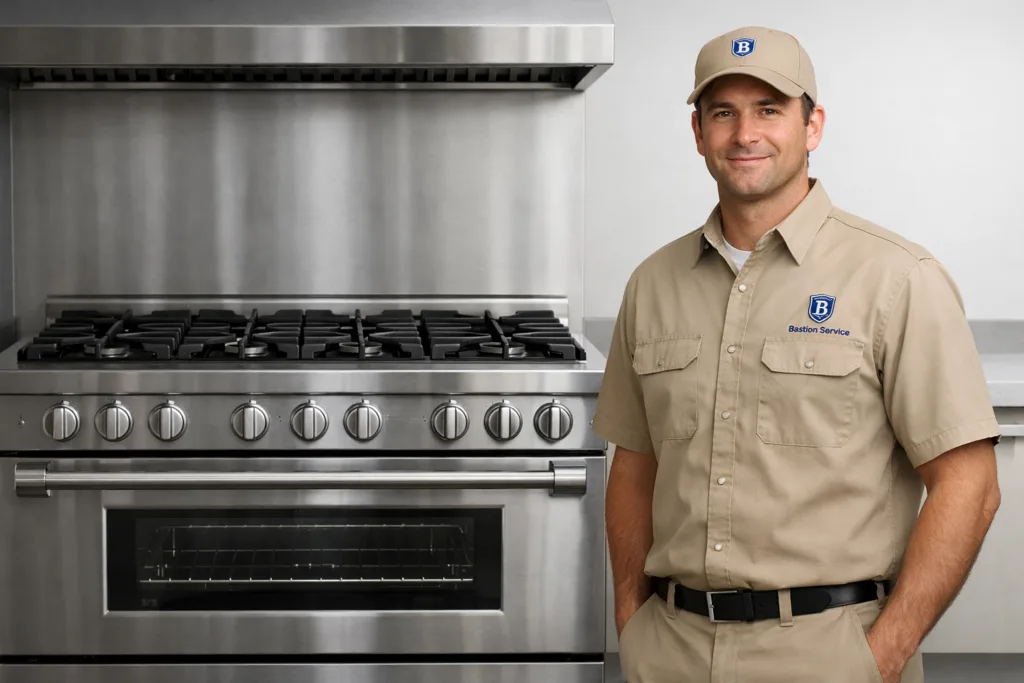




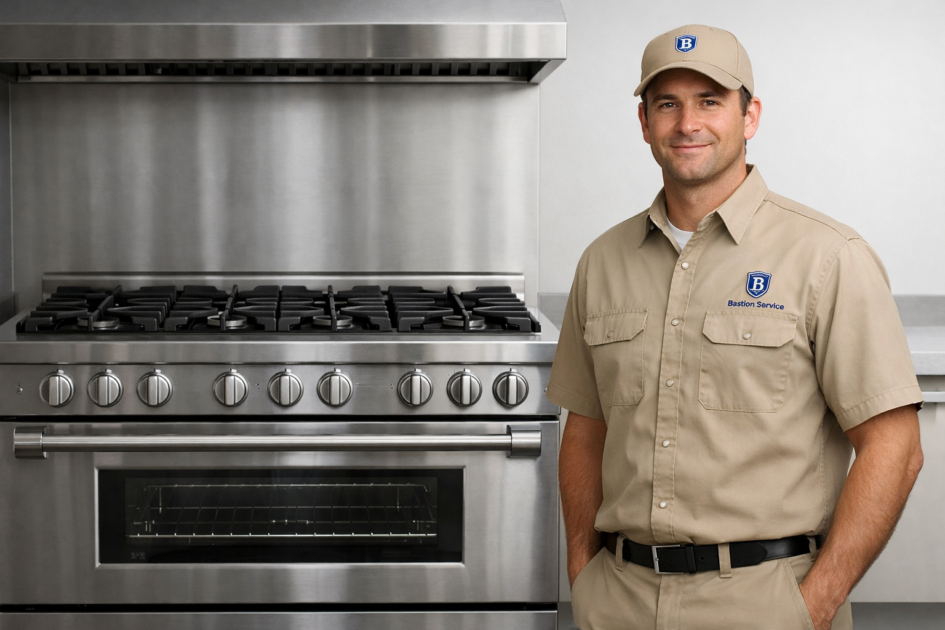
Range problems can disrupt prep timing, line coordination, and output quality fast, especially when burners stop lighting consistently or heat starts drifting during service. For businesses in Beverly Hills, the most useful next step is to schedule service based on the exact symptom pattern so the fault can be isolated before the issue spreads to additional components or causes avoidable downtime.
Related commercial service paths in Beverly Hills include Wolf Commercial Repair in Beverly Hills, Wolf Oven Repair in Beverly Hills, and Wolf Fryer Repair in Beverly Hills.
Service begins with the symptom, not a parts guess
Wolf ranges are built for demanding kitchen use, but ignition systems, burner assemblies, controls, valves, wiring, and temperature-related components all wear differently under daily load. Two units can show similar behavior while needing very different repairs. A burner that clicks repeatedly may have an ignition problem, a gas flow issue, a contaminated burner head, or a control-related fault. A range that seems to run cool may actually be cycling incorrectly, dropping flame intermittently, or failing to respond to control input the way it should.
That is why service should focus first on observed performance: when the problem happens, whether it affects one burner or multiple sections, whether it changes as the unit heats up, and whether staff have noticed workarounds becoming part of normal operation. Bastion Service helps Beverly Hills businesses narrow those symptoms into a repair decision that fits the condition of the equipment.
Why a Wolf range may not light, heat, or hold temperature
When a Wolf range stops performing normally, the underlying cause is often more specific than the symptom suggests. Lighting problems can come from worn ignition parts, burner blockage, switch issues, gas delivery faults, or moisture and debris affecting flame establishment. Heating complaints may point to weak burner output, regulator problems, failing valves, damaged wiring, or controls that are no longer responding consistently.
Temperature instability is especially important because it can affect production pace and food consistency even before the failure becomes obvious. If the unit overshoots, recovers slowly, cycles unevenly, or does not maintain expected heat, the problem may involve sensing, regulation, control response, or intermittent component failure that only shows up under operating conditions.
In many kitchens, the first sign is not a complete shutdown. It is slower recovery, uneven flame, repeated clicking, a burner that drops out, or a section staff have started avoiding because it no longer behaves predictably.
Common Wolf range symptoms and what they often indicate
Repeated clicking or delayed ignition
If a burner clicks multiple times before lighting, lights only after several tries, or fails to light unless staff retry the sequence, the issue may be tied to the igniter, burner alignment, ignition module behavior, switch response, or restricted gas flow. This should be checked early because repeated failed ignition can create larger performance and safety concerns.
Burner lights but flame is weak or uneven
Weak heat output, patchy flame, or burners that no longer respond normally can indicate blocked burner ports, regulator trouble, valve wear, or inconsistent gas delivery. In a business setting, this often shows up as slower cooking times, poor pan response, or one station no longer matching the rest of the line.
Burner drops out during use
An intermittent flame that cuts out during service may point to failing controls, unstable gas flow, heat-related electrical issues, or a component that works when cold but fails as the unit warms up. This kind of issue rarely stays intermittent for long.
Heat is inconsistent from one shift to the next
When staff report that the range seems normal one day and unreliable the next, the problem may involve loose electrical connections, aging ignition components, inconsistent control behavior, or wear that is advancing under regular use. These faults can be difficult to judge without testing under real operating conditions.
Range runs too hot, too cool, or recovers slowly
If cooking performance no longer feels stable, the issue may involve control calibration, sensing faults, switching problems, or burner performance that is no longer delivering steady heat. Recovery problems matter because they affect ticket pacing and consistency across service periods.
Signs the problem is affecting more than one component
Some failures stay isolated. Others begin in one area and create stress elsewhere. For example, ongoing ignition trouble can lead to heavier wear on ignition parts and controls. Burner problems can cause staff to shift load to other sections of the range, increasing strain and creating workflow bottlenecks. Electrical irregularities can present as burner issues at first, then develop into broader operating problems.
If the range has more than one symptom at the same time, such as clicking plus weak flame, or slow ignition plus inconsistent heat, that usually points to a need for a more careful diagnostic visit rather than a quick assumption about a single failed part.
When to stop working around the issue and schedule repair
Service should be scheduled when staff are relighting burners repeatedly, avoiding a certain section of the range, adjusting cook times to compensate for poor heat, or noticing that startup behavior keeps changing. These are not minor annoyances in a working kitchen. They are early signs that performance is becoming unreliable.
- Burners do not light promptly or require repeated attempts
- Ignition clicking continues after lighting or happens unpredictably
- Flame is uneven, weak, or inconsistent between burners
- Heat output changes during service
- The range no longer holds expected cooking performance
- Controls feel erratic or response is delayed
- Staff are creating workarounds to keep production moving
In Beverly Hills kitchens, a delayed service call can turn a narrow repair into a broader disruption if continued use adds wear or makes the failure harder to isolate.
What to note before the service visit
Good repair decisions are easier when the symptom history is clear. Before scheduling, it helps to note whether the problem affects one burner or several, whether it happens at startup or after the unit has been running, whether the issue is constant or intermittent, and whether any clicking, odor, shutdown, or control irregularity has been observed.
Useful details include:
- Which section of the range is affected
- Whether ignition is slow, absent, or inconsistent
- How the flame looks when the burner does light
- Whether the issue gets worse as the kitchen heats up
- If temperature complaints are tied to certain pans, loads, or time periods
- Any recent changes in performance, noise, or control response
This information helps move the visit toward diagnosis faster and reduces the chance of treating a symptom while missing the actual cause.
Repair or replacement depends on condition, not frustration alone
Not every recurring issue means the range should be replaced, and not every repair is the right investment. The decision usually comes down to the overall condition of the unit, whether the current fault is isolated or part of a larger pattern, how often downtime has been occurring, and whether the expected repair result supports daily kitchen demands.
Repair often remains the better choice when the unit is structurally sound and the failure can be traced to a specific serviceable problem. Replacement becomes more likely when multiple major issues are stacking up, performance remains unstable after recent work, or the range can no longer support reliable production without repeated interruption.
What businesses in Beverly Hills need from Wolf range service
The goal is not just to get the flame back for the next shift. Businesses need to know what failed, whether adjacent components were affected, what repair path makes operational sense, and how quickly the unit can return to stable use. A service visit should support scheduling decisions, staffing adjustments, and equipment planning, not just a short-term restart.
If your Wolf range is not lighting properly, heating evenly, or holding consistent performance, timely repair service is usually the best way to limit downtime and protect kitchen workflow. For businesses in Beverly Hills, the smartest next step is to book diagnosis while the symptoms are still identifiable and before the problem expands into a longer interruption.


