
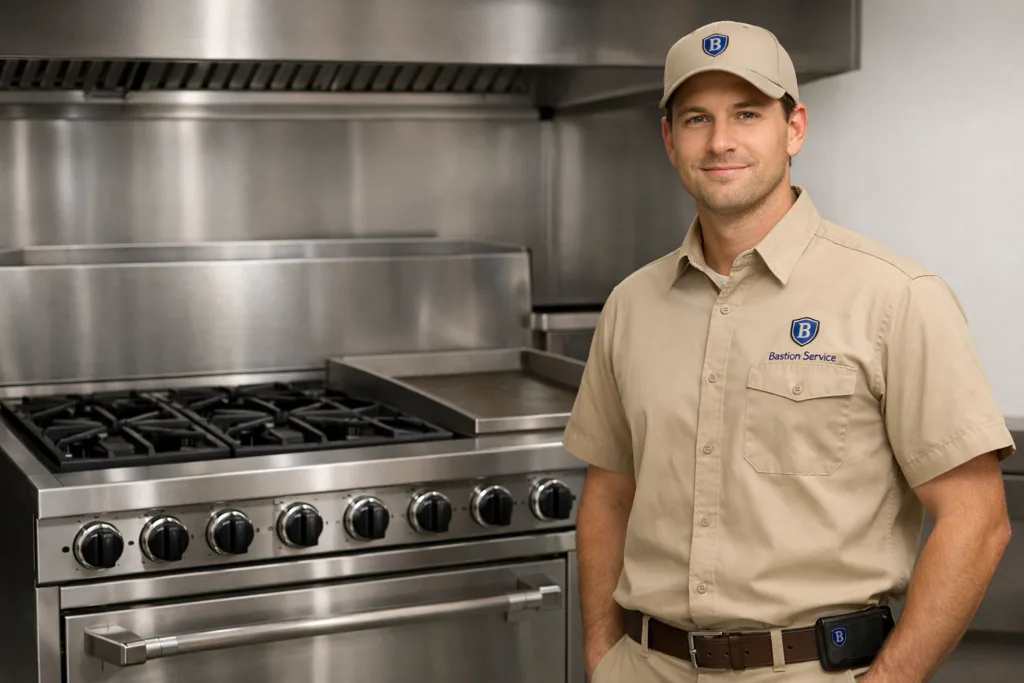




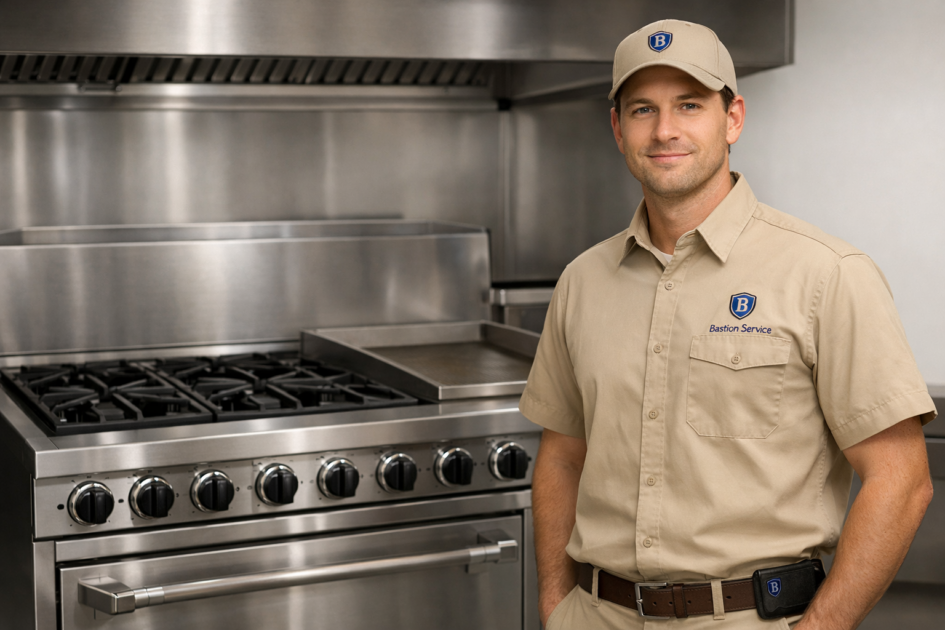
Range trouble usually shows up first as lost speed, uneven output, or a station that staff no longer trust during service. When a Vulcan unit starts misfiring, underheating, or cycling unpredictably, the repair decision should be based on how the equipment is behaving in real use, what sections are affected, and whether continued operation is increasing downtime risk. For businesses in West Hollywood, that means scheduling service when symptoms begin disrupting prep, ticket flow, recovery time, or safe operation rather than waiting for a full shutdown.
Related commercial service paths in West Hollywood include Vulcan Commercial Repair in West Hollywood, Vulcan Oven Repair in West Hollywood, and Vulcan Fryer Repair in West Hollywood.
Why is my Vulcan range not lighting, heating, or holding temperature?
These symptoms often trace back to different failures that can look similar at first. A burner that will not light may involve an igniter, pilot assembly, gas valve issue, clogged burner parts, or a control problem. Weak heat can point to burner wear, pressure-related problems, failing thermostatic components, or electrical faults. Temperature swings in the oven section may come from a thermostat, sensor, switch, relay, or another control part that is no longer responding accurately under load.
That is why symptom-based service matters. If the range lights sometimes but not consistently, heats in one section but not another, or loses performance during busy periods, the goal is to identify the exact failure path before parts are replaced. Bastion Service helps West Hollywood businesses sort out whether the issue is isolated to one burner, tied to the oven section, or part of a wider reliability problem across the unit.
Common Vulcan Range Problems Seen in Daily Kitchen Use
Burners that do not ignite reliably
Intermittent ignition is one of the most disruptive range problems because it slows production even before the equipment fully fails. Staff may need multiple attempts to light a burner, or the burner may ignite with a weak, delayed, or unstable flame. This can be caused by worn ignition parts, blocked burner ports, pilot issues, gas flow restrictions, or controls that are not sending the correct response.
If one burner is being avoided while others are carrying the load, that usually means the problem is already affecting workflow and should be inspected before additional parts are stressed.
Weak flame or reduced heat output
A range can still appear operational while performing far below normal. Pots take longer to heat, sauté stations lose pace, and cooking consistency starts slipping from shift to shift. Reduced output may involve burner assemblies, valves, regulation issues, or components that no longer maintain proper heat under demand.
This symptom is easy to dismiss during slower periods, but it becomes much more expensive once service times increase and staff start compensating manually.
Oven section not reaching or holding temperature
When the oven portion of a Vulcan range runs cool, overshoots, or cycles unpredictably, the issue is often tied to temperature control rather than a simple adjustment need. Faults in thermostats, sensors, switches, relays, or related wiring can all produce uneven baking or roasting performance.
In a business setting, temperature inconsistency affects more than food quality. It changes timing, forces repeated checking, and can create a ripple effect across the line.
Constant clicking, pilot trouble, or difficult startup
Repeated clicking or unreliable startup often points to an ignition system that is wearing out or becoming contaminated. The range may eventually light after several tries, but that does not mean the issue is minor. Startup problems usually become more frequent over time, and they can turn an intermittent complaint into a no-heat call with very little warning.
Controls that respond poorly or behave inconsistently
If knobs, switches, or settings no longer produce predictable results, the underlying problem may involve worn control components, loose electrical connections, or heat-related wear inside the range. A unit that turns on but does not respond correctly to adjustments is not operating normally, even if some sections still function.
Why Proper Diagnosis Saves Time and Repeat Downtime
On a high-use range, the visible symptom is not always the failed part. A burner problem may start at ignition but actually involve gas delivery or a failing valve. An oven temperature complaint may seem like calibration drift when the real cause is a bad sensor or unstable control. Replacing parts based only on the surface symptom can leave the original problem in place and lead to another interruption soon after.
Accurate troubleshooting also helps determine whether the issue is limited to one cooking zone or whether the unit is showing broader wear. That distinction matters when deciding whether to proceed with a focused repair, schedule a larger service visit, or start evaluating overall equipment condition.
Signs the Range Should Be Serviced Soon
- Burners need repeated attempts to light
- Flame height is uneven or weaker than normal
- Cooking times are getting longer without another clear cause
- The oven section drifts above or below the set temperature
- Staff are avoiding certain burners or compensating with workarounds
- Clicking, relighting, or startup problems are becoming routine
- Controls feel unreliable or settings no longer match actual performance
These are early warning signs that the range is no longer operating predictably. Scheduling repair before a peak shift is usually the better move than waiting until the unit fails during production.
When Continued Use Can Make the Problem Worse
Some kitchens keep a struggling range in operation because it still works part of the time. The risk is that intermittent faults often spread wear to connected systems. Repeated ignition attempts can damage ignition-related components further. Poor heat regulation can stress controls. Uneven burner operation can create ongoing strain in adjacent parts and make the final repair more involved than it would have been earlier.
There is also the operational risk. A range that is barely getting through service can fail at the exact moment the kitchen needs stable output most. For West Hollywood businesses, early repair is often the more manageable option when compared with a sudden outage during regular operations.
Repair or Replace: How to Approach the Decision
Many Vulcan range issues are repairable when the unit is otherwise in solid condition and the fault is confined to serviceable components. Repair is usually the practical choice when the problem has been identified, the rest of the range remains structurally sound, and normal performance can reasonably be restored.
Replacement enters the conversation when the unit has multiple active failures, repeated service history across different systems, or wear that makes future reliability uncertain. The key question is not only whether the range can be turned back on, but whether it can return to stable daily use without becoming a recurring disruption.
How to Prepare for a Service Visit
Before scheduling repair, it helps to note exactly what the range is doing. Useful details include whether the problem affects top burners, the oven section, or both; whether the fault is constant or intermittent; whether startup is the main issue; and whether the symptoms get worse after the unit has been running for a while. If staff have noticed flame changes, temperature drift, clicking, or slower recovery, that information can speed up diagnosis.
It is also helpful to identify whether the range is still usable in a limited way or whether operation should stop until it is inspected. That helps prioritize service based on risk, production needs, and the potential for added damage.
Service-Focused Range Repair for Businesses in West Hollywood
The most effective range repair is not just about restoring one burner or correcting one temperature complaint. It is about identifying what is failing, understanding how that failure affects kitchen output, and deciding on the next step with as little disruption as possible. If your Vulcan range is showing ignition trouble, inconsistent heating, burner faults, or control problems, scheduling service promptly gives you the best chance of limiting downtime and returning the equipment to reliable operation.


