
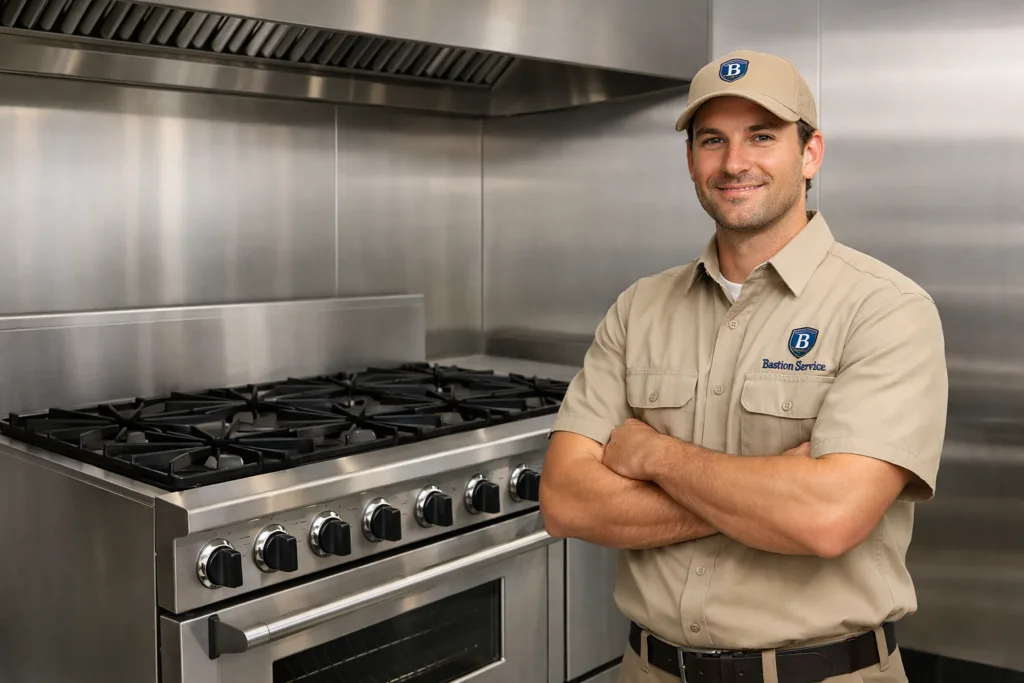




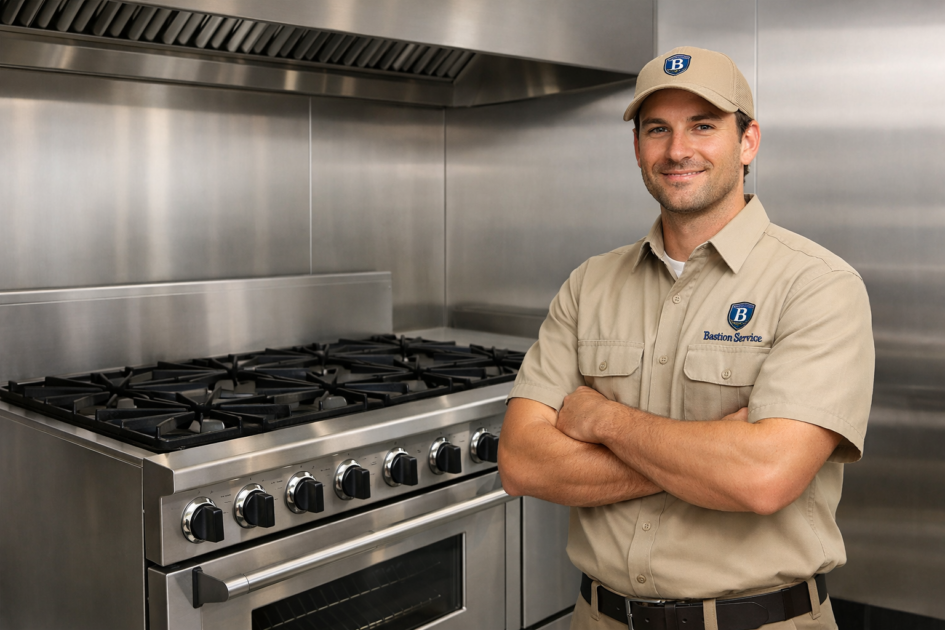
Range problems tend to show up first as slower line work, uneven pans, unreliable oven results, or burners that need repeated attempts before they light. In a busy kitchen, those symptoms can quickly turn into delays, wasted product, and extra strain on staff. Bastion Service provides Vulcan range repair for businesses in Playa Vista with service centered on fault diagnosis, repair scheduling, downtime impact, and the most sensible next step based on how the equipment is actually failing.
Related commercial service paths in Playa Vista include Vulcan Commercial Repair in Playa Vista, Vulcan Oven Repair in Playa Vista, and Vulcan Fryer Repair in Playa Vista.
What usually causes Vulcan range performance problems
A Vulcan range can develop issues in several systems at once, which is why symptom-based testing matters. Burner ignition trouble may trace back to clogged ports, worn ignition components, pilot-related faults, gas flow restrictions, switches, or wiring problems. Oven heating complaints may involve thermostats, sensors, valves, control issues, or calibration drift. Surface-level symptoms can look similar even when the failed part is different, so accurate testing helps avoid replacing parts that are not actually causing the outage.
In Playa Vista kitchens, heavy daily use, grease exposure, heat cycling, and constant adjustment of burners and controls all contribute to wear over time. The key question is not just what seems wrong, but whether the problem is isolated, worsening, or starting to affect safe operation and production consistency.
Why a Vulcan range may not light, heat, or hold temperature
Burners click, spark, or struggle to ignite
If a burner does not light promptly, lights only sometimes, or requires repeated attempts, likely causes include dirty burner ports, ignition wear, pilot issues, gas delivery problems, or faults in related control components. Delayed ignition should not be ignored because rough starts can affect flame stability and increase wear on the ignition system.
Flame is weak, uneven, or does not stay steady
Low flame, patchy heat, or burners that fluctuate during use often point to restricted gas flow, regulator issues, valve wear, or burner assembly problems. Staff may notice pans taking longer to recover heat, difficulty keeping output consistent, or one burner performing noticeably differently from the next.
Oven section runs cool, overheats, or swings in temperature
When the oven portion of the range cannot reach set temperature, overshoots, or cycles unpredictably, the issue may involve the thermostat, temperature sensor, gas valve, igniter, or control system. These faults usually show up as uneven baking, delayed prep, or product that does not finish on schedule.
Heat is uneven across the cooking surface
Hot spots and cold spots can come from burner imbalance, partial blockage, heat distribution issues, or worn internal components. This is especially disruptive when the range is being used for repeatable menu items that depend on stable, even heat from station to station.
Knobs, valves, or controls do not respond normally
Loose knobs, sticking valves, controls that feel inconsistent, or settings that no longer regulate heat correctly can indicate mechanical wear or heat damage behind the panel. When controls stop responding predictably, the range becomes harder for staff to use safely and consistently.
Symptoms that usually mean service should be scheduled soon
Some problems are inconvenient but manageable for a short time. Others tend to spread into larger outages if they are left alone. It is usually time to schedule repair when you notice:
- burners that fail to light reliably
- flame that drops during use or will not hold steady
- oven temperature drift affecting food quality
- clicking, sparking, or ignition behavior that is getting worse
- controls that no longer adjust heat accurately
- staff workarounds becoming part of normal operation
In many kitchens, teams adapt around one weak burner or an oven that runs off target. The problem is that temporary workarounds often hide a repair need until the range becomes a much bigger interruption during active service.
When continued use can make the repair more involved
Repeated ignition failure, unstable flame, overheating, and worn controls can all lead to added part damage if the unit stays in regular use. A burner that is not lighting correctly may create rough ignition events. A temperature-control issue can overwork related components. A failing valve or switch can eventually affect adjacent systems if it is forced or repeatedly cycled while already compromised.
If staff notices a persistent gas odor, the appliance should be taken out of use and normal gas-safety procedures should be followed before repair is arranged. Even without a gas smell, a range that is clicking repeatedly, heating erratically, or behaving unpredictably should be evaluated before being trusted for full production.
Repair or replacement: how businesses usually decide
Many Vulcan range issues are repairable when the unit is otherwise in solid condition and the failure is limited to serviceable parts such as igniters, valves, sensors, thermostatic components, controls, or burner assemblies. Repair often makes sense when the equipment still fits the kitchen workflow and the current issue is not part of a long pattern of escalating breakdowns.
Replacement becomes a more serious consideration when the range has multiple active faults, extensive wear, recurring downtime history, or repair costs that no longer align with the unit’s remaining service life. The most useful assessment looks at more than the immediate symptom. It should also consider the unit’s overall condition, its role in daily output, and whether current failures appear isolated or cumulative.
How to prepare for a service visit
A faster diagnosis usually starts with better symptom details. Before service, it helps to note:
- which burners or oven sections are affected
- whether the problem happens all the time or only during certain loads
- what staff sees first: clicking, delayed light, weak flame, temperature drift, or shutdown
- whether the issue has been getting worse over days or weeks
- any recent changes in performance, cleaning, or handling of controls
That information helps narrow the failure pattern and supports a more efficient repair decision once the unit is tested on site.
What a service-focused diagnosis should deliver
A useful visit should do more than identify a possible part to change. It should verify the actual fault, confirm how the range behaves under operating conditions, and explain whether the repair is isolated, urgent, or part of a broader wear pattern. For businesses in Playa Vista, that kind of service-oriented assessment helps with scheduling, staffing, and deciding whether to repair now or plan for a larger equipment decision.
When a Vulcan range is affecting output, consistency, or safe operation, the best next step is to have the symptom pattern evaluated and the repair scope defined clearly. That gives Playa Vista businesses a practical path to restore heat performance, reduce avoidable downtime, and move forward with repair scheduling based on the condition of the equipment rather than guesswork.





