
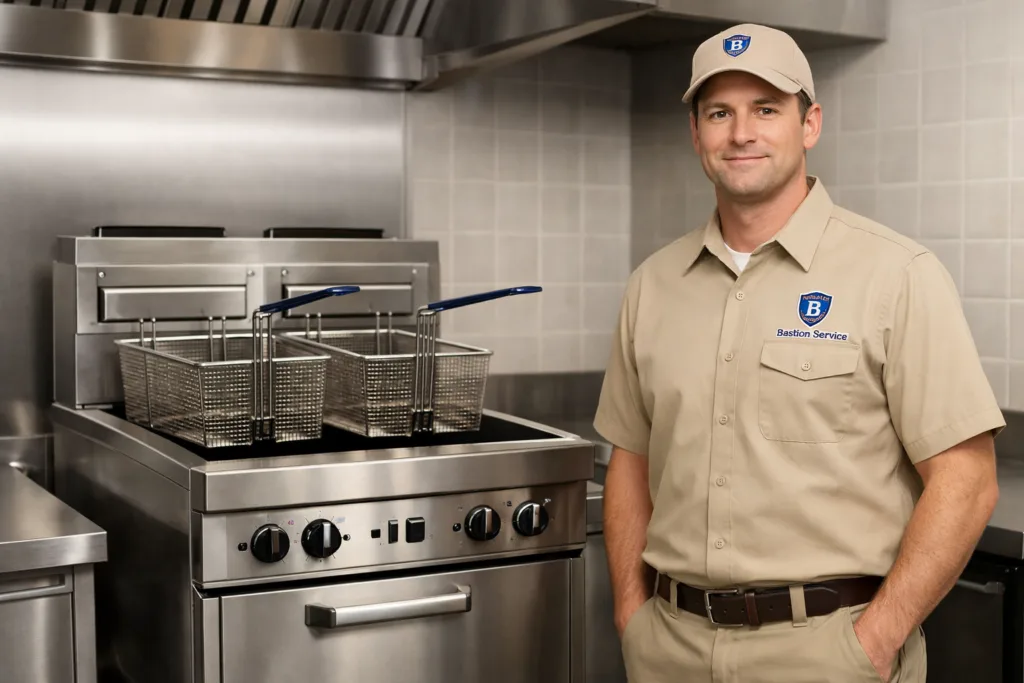






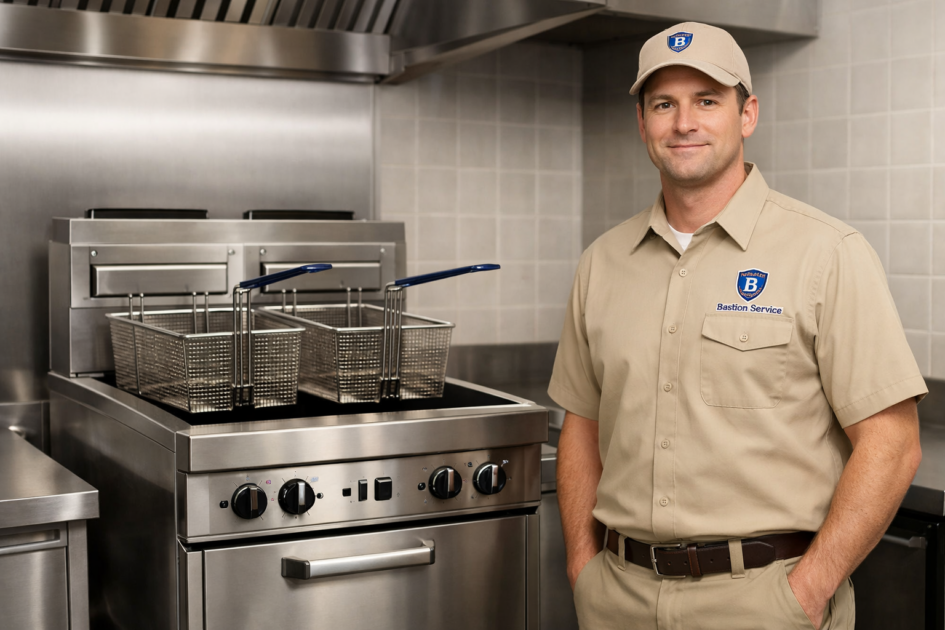
Fryer problems can disrupt output fast, especially when heat recovery drops off during service or the unit starts shutting down without warning. In Marina del Rey, the right repair approach starts with symptom-based testing so the actual fault can be identified before more time is lost to resets, inconsistent batches, or unnecessary parts changes. Bastion Service works with businesses that need their Vulcan fryer evaluated based on how it is performing in real kitchen conditions, not just on the most obvious surface symptom.
Related commercial service paths in Marina del Rey include Vulcan Commercial Repair in Marina del Rey, Commercial Fryer Repair in Marina del Rey, and Vulcan Oven Repair in Marina del Rey.
Common Vulcan fryer symptoms and what they often indicate
Not heating or taking too long to reach temperature
If the fryer will not heat, heats only intermittently, or takes much longer than normal to come up to temperature, the problem may involve ignition components, gas delivery, control failure, sensor issues, or a tripped safety device. Sometimes the unit does produce heat, but not enough to maintain a usable cooking temperature. That kind of slow performance often shows up first as longer ticket times, pale product, or baskets that need repeat cooking cycles.
Poor recovery during busy periods
A fryer that looks normal when idle but struggles as soon as demand picks up may have burner performance issues, control problems, sensor drift, restricted airflow, or other heating-related faults. Recovery problems are especially costly because the fryer may appear to work, yet still fall behind when the kitchen needs stable temperature the most.
Oil temperature swings and uneven cooking results
When oil runs too hot, too cool, or changes noticeably from batch to batch, food quality becomes harder to control. This can point to thermostat inaccuracy, control-board problems, sensor faults, burner irregularity, or contamination affecting heat transfer and regulation. If staff are constantly adjusting cook times to compensate, the fryer is no longer operating predictably.
Ignition failure or unreliable startup
If the fryer does not light reliably, clicks repeatedly, starts and stops, or only works after several attempts, the issue may involve the ignition sequence, flame sensing, gas valve operation, wiring, or control communication. Intermittent startup issues usually get worse over time, and they often become most noticeable in the middle of active production.
High-limit trips or unexpected shutdowns
A fryer that trips off during use may be reacting to overheating, control failure, unsafe operating conditions, or a problem in the ignition or safety circuit. Repeated resets may get the unit running temporarily, but they do not solve the underlying issue. If shutdowns are becoming more frequent, the equipment should be evaluated before it creates a larger interruption.
Unusual noises, burner changes, or visible leakage
Popping sounds, rough burner operation, delayed ignition, oil leakage, or visible wear around key components can signal a more serious service need. Some conditions remain repairable if addressed early, but continued use can increase wear on surrounding parts and make the next repair more involved.
Why symptom-based diagnosis matters
With fryer service, the visible problem is not always the failed part. A unit that seems to have a burner issue may actually have a control or sensor fault. A fryer that appears to have temperature drift may also be dealing with ignition inconsistency or a safety component that is not behaving correctly under load. Testing the unit under operating conditions helps separate the root cause from the downstream symptoms.
That matters for businesses in Marina del Rey because repair decisions affect scheduling, parts planning, and downtime. If the fryer is still partially usable, the service strategy may be different than it would be for a unit that cannot maintain safe cooking temperatures at all. Accurate diagnosis helps determine whether the problem is isolated, whether related wear is present, and whether continued operation is advisable until repair is completed.
When to schedule service
It is usually time to schedule fryer repair when one or more of these patterns show up consistently:
- Long heat-up times at the start of the day
- Slow recovery after dropping baskets
- Oil temperature that drifts or overshoots
- Frequent shutdowns or reset behavior
- Ignition problems during startup
- Food quality changes tied to inconsistent frying performance
- Operators relying on workarounds to get through the shift
Waiting too long can turn a limited repair into a broader equipment problem. A fryer that is still running but operating outside normal range can waste oil, slow down the line, and add stress to controls, safety parts, and heating components.
Why continued use can make the problem worse
Some fryer issues stay manageable for a short time, but others accelerate quickly once the equipment is pushed through repeated service periods. Overheating, unstable temperatures, delayed ignition, and repeated shutdowns can all affect product consistency while also increasing wear on related components. What starts as an intermittent fault can become a no-heat call at the worst possible time.
If there is a strong or persistent gas odor, that should be treated as a safety concern rather than a routine operating issue. The unit should not remain in normal use while that condition is being ignored.
Repair or replacement: how the decision is usually made
Many Vulcan fryer problems are repairable when the main structure remains sound and the failure is limited to serviceable components such as controls, sensors, ignition parts, valves, or safety devices. Repair is often the better option when it restores stable performance without uncovering multiple unrelated failures.
Replacement becomes a more serious consideration when the fryer has recurring breakdowns, significant structural wear, major oil-handling issues, or a repair outlook that does not support reliable operation going forward. For kitchens in Marina del Rey that depend heavily on fryer output, the real question is not only repair cost, but whether the unit can return to consistent day-to-day use without repeated interruptions.
What to note before the service visit
A few details can make the appointment more productive. It helps to know whether the fryer fails on startup, loses temperature during rush periods, overheats, trips after reaching temperature, or behaves differently from shift to shift. It is also useful to note whether staff have seen resets, fault indicators, delayed ignition, unusual sounds, or any visible leakage.
If recent cleaning, maintenance, or operational changes happened before the problem appeared, that information can also help narrow the cause. The more clearly the symptom pattern is described, the easier it is to move from inspection to an informed repair recommendation.
Service-focused next steps for Marina del Rey businesses
When a Vulcan fryer starts affecting output, timing matters. A scheduled repair visit can help confirm the fault, identify any related wear, and determine whether the unit should stay in limited use or be taken out of service until repairs are completed. For businesses in Marina del Rey, the goal is to restore stable frying performance with a repair plan that matches the actual condition of the equipment and the urgency of daily operations.


