
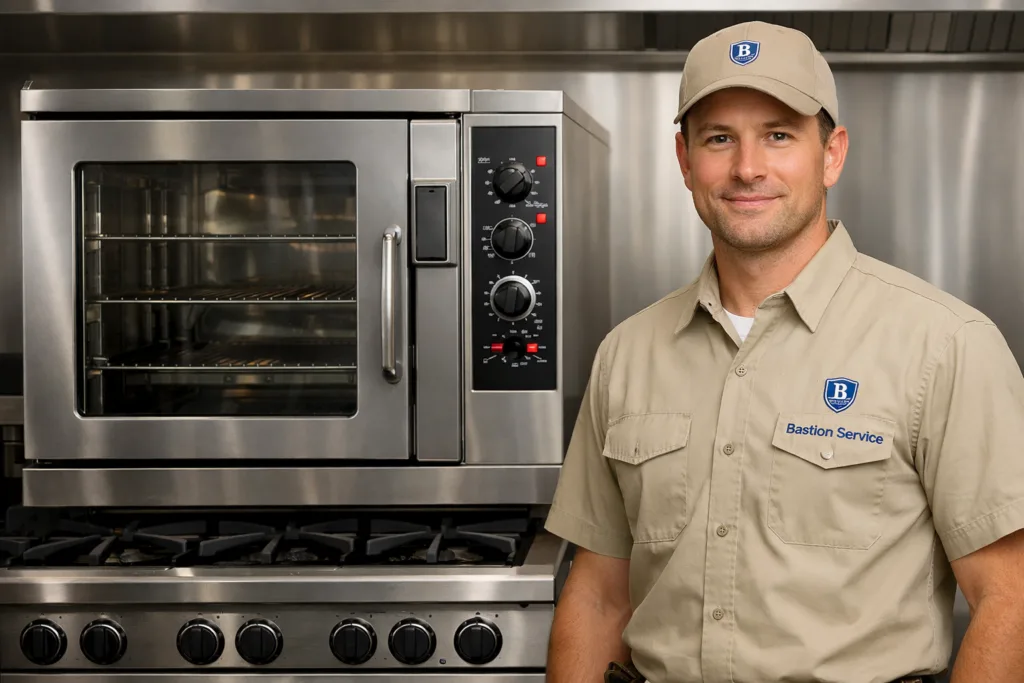




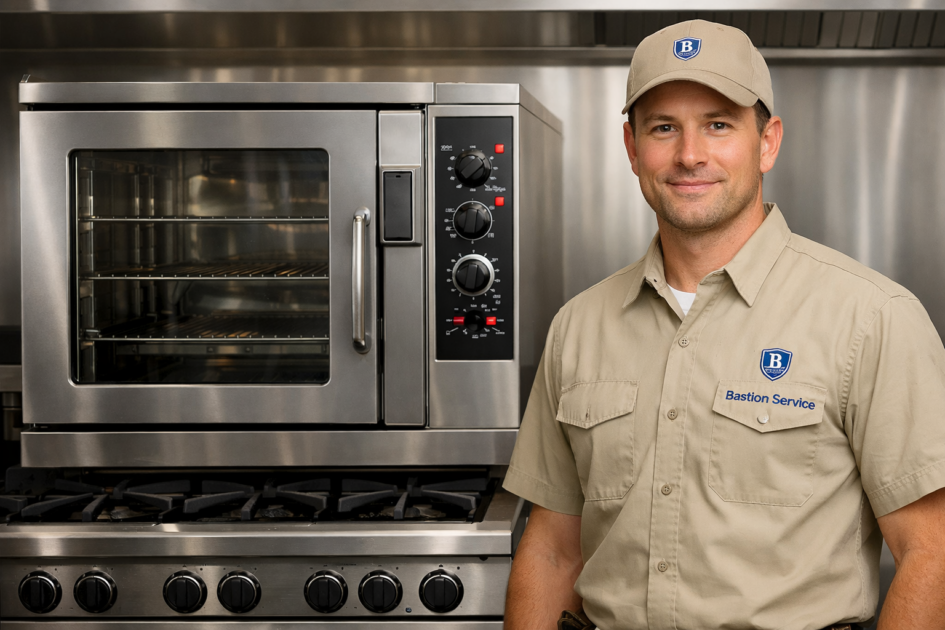
When a Vulcan oven starts missing temperature, baking unevenly, or dropping out during a shift, the next step is usually less about trial and error and more about identifying the exact failure that is disrupting production. For kitchens in Marina del Rey, that means scheduling service around the symptom pattern, the severity of downtime, and whether the unit is fully down or still operating with limitations. Bastion Service works with businesses in Marina del Rey to evaluate Vulcan oven issues, narrow the cause, and move toward the right repair based on how the equipment is actually performing in daily use.
Related commercial service paths in Marina del Rey include Vulcan Commercial Repair in Marina del Rey, Commercial Oven Repair in Marina del Rey, and Vulcan Range Repair in Marina del Rey.
How Vulcan oven problems are diagnosed
Two ovens can show the same symptom and still need very different repairs. One unit may run cold because of a weak heating circuit or ignition fault, while another may appear to have the same issue because the sensor is inaccurate or the control is not cycling properly. That is why symptom-based diagnosis matters before parts are ordered or a repair decision is made.
Service typically focuses on how the oven behaves during preheat, whether it reaches set temperature, how well it recovers after the door opens, and whether performance changes once the cavity is under a normal cooking load. On many Vulcan ovens, useful clues also come from burner or element behavior, fan operation on convection models, door seal condition, control response, and any intermittent shutdowns that happen only after the unit warms up.
Common Vulcan oven symptoms and what they may indicate
Not heating at all
If the oven will not produce heat, the issue may involve ignition components, heating elements, safety devices, relays, controls, wiring, or a supply-related fault. Gas models may fail to light, fail to prove flame, or shut off shortly after ignition. Electric models may have an open element, failed contactor, or control problem that prevents proper heating.
For a busy kitchen, a no-heat condition usually means immediate service is needed because prep schedules and ticket flow are affected right away.
Slow preheat or failure to reach set temperature
An oven that eventually warms up but takes too long can create delays across the entire line. This type of symptom may point to reduced heating output, calibration drift, a failing sensor, weak ignition performance, airflow issues, or heat loss through a worn gasket or door fit problem.
When staff begin loading the cavity before the oven is truly ready, product quality often becomes inconsistent even if the unit appears to be working. That is why slow preheat is not just an inconvenience; it often signals a repair issue that is already affecting output.
Uneven baking or hot and cold spots
Uneven results are one of the most common reasons businesses request Vulcan oven service. Causes may include partial heating failure, fan or airflow problems on convection units, poor door sealing, sensor inaccuracies, or a control issue that allows temperature to swing too far during the cooking cycle.
If one side of the cavity cooks faster, pans need repeated rotation, or the same recipe no longer finishes consistently, the oven is no longer delivering repeatable performance. In a production setting, that can quickly turn into waste, remakes, and timing issues for the rest of the kitchen.
Temperature swings or overshooting
When the cavity runs noticeably hotter or colder than the setpoint, the fault may be tied to the thermostat, sensor, control board, relay behavior, or wiring. Some ovens overshoot and then fall back sharply, while others drift slowly enough that the problem is first noticed through product inconsistency rather than a visible temperature alarm.
These symptoms matter because unstable control can affect more than food quality. It can also increase stress on components and make the oven harder for staff to manage during peak periods.
Ignition delays, intermittent shutdowns, or random resets
If the oven starts inconsistently, loses heat during use, or shuts down after running for a period of time, the cause may involve ignition reliability, flame sensing, limit devices, wiring faults, control failure, or heat-related component breakdown that only appears after the unit gets hot.
Intermittent failures are especially important to report accurately because they can be difficult to reproduce unless the service call is guided by a clear description of when the symptom appears.
When continued use can lead to bigger repair problems
Some oven issues allow limited short-term operation, but others should not be pushed through service. Repeated overheating, unstable temperature control, failed ignition, shutdowns during operation, or signs that the oven is not responding correctly to the controls can all increase the risk of added part failure and more expensive downtime.
Even a problem that seems manageable, such as a poor door seal or a unit that runs slightly cold, can create longer cook times, extra labor, and unnecessary strain on the oven. If staff are compensating by resetting the controls, extending bake times, rotating pans constantly, or avoiding certain rack positions, the oven is already affecting workflow enough to justify repair planning.
Repair decisions for businesses in Marina del Rey
In many cases, repair is the sensible path when the oven still fits the kitchen’s production needs and the failure is isolated to serviceable parts such as igniters, sensors, switches, relays, controls, contactors, fan components, or door gaskets. A targeted repair often restores stable operation without the larger cost and disruption of replacement.
Replacement becomes a stronger consideration when the oven has ongoing downtime, multiple unresolved faults, major cavity wear, structural damage, or repair costs that no longer make sense compared with the expected remaining life of the unit. The key is to make that choice after the fault has been identified, not before. An accurate diagnosis gives the business a better way to weigh cost, urgency, and expected reliability after service.
What to have ready before scheduling service
A service request is easier to prioritize when it includes a few basic details about the oven and the problem. Helpful information includes:
- Model number and whether the unit is gas or electric
- Main symptom, such as no heat, uneven cooking, slow preheat, or shutdowns
- When the issue started and whether it is constant or intermittent
- Whether the problem appears during preheat, under load, or later in the cooking cycle
- Any fault display, unusual noise, ignition delay, odor, or visible temperature drift
- Whether the oven is fully down or still usable with limitations
That information helps shape scheduling decisions and gives the technician a clearer starting point once service begins.
What businesses should expect from oven repair service
Good oven repair is not just about getting the cavity warm again. The real goal is restoring dependable performance: reaching temperature on time, holding setpoint, recovering properly, and producing consistent results across normal batches. For Marina del Rey businesses, that is what determines whether the oven is ready to go back into daily operation or whether additional repair decisions need to be made.
If your Vulcan oven is creating delays, uneven results, control issues, or repeated shutdowns, the most useful next step is to schedule service based on the exact symptoms the unit is showing now. That approach reduces guesswork, helps limit avoidable downtime, and gives the kitchen a more practical path back to stable operation.


