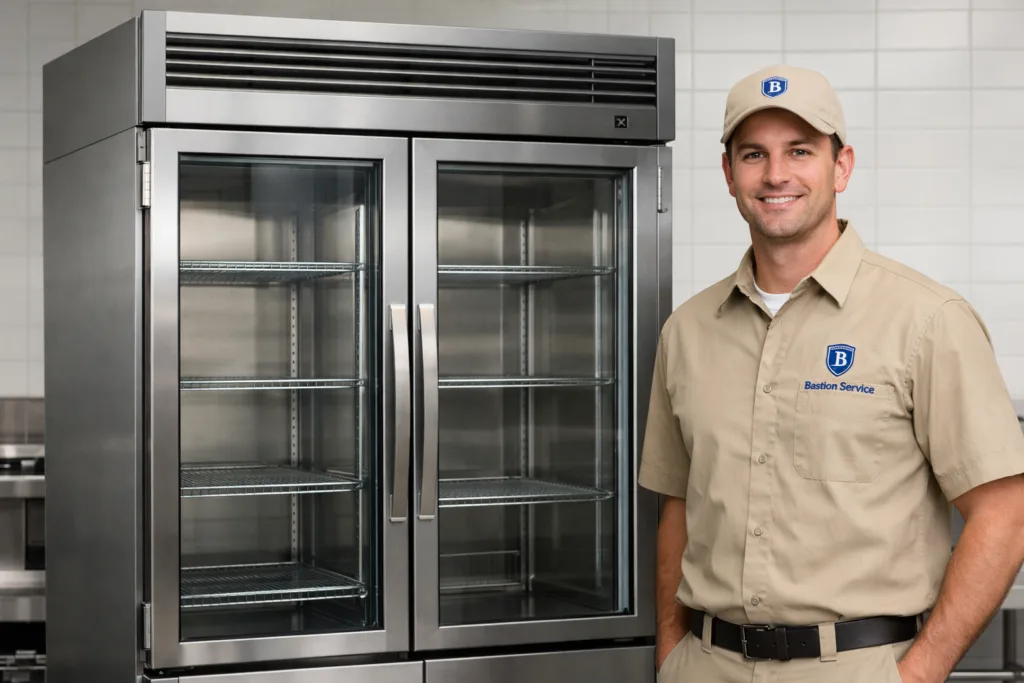




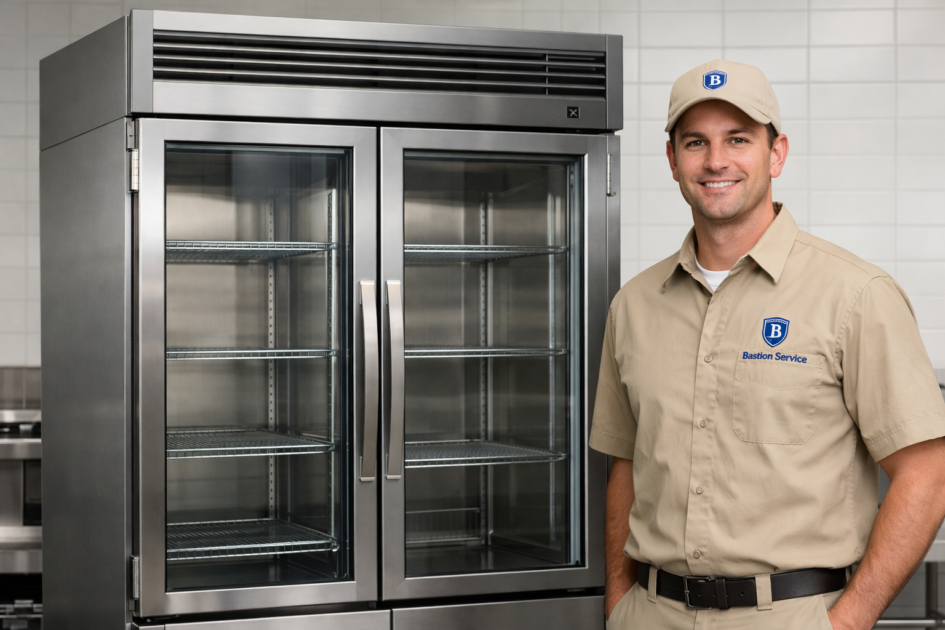
When a True refrigerator starts drifting out of range, running too long, or developing uneven temperatures, the next step should be service centered on the actual fault rather than an assumed part swap. In Beverly Hills, that matters because refrigeration problems can interrupt prep, storage, and daily workflow long before the unit stops completely. Bastion Service helps businesses evaluate symptom patterns, confirm what is affecting performance, and schedule repair based on how urgently the equipment is affecting operations.
Related commercial service paths in Beverly Hills include True Commercial Repair in Beverly Hills, Commercial Refrigerator Repair in Beverly Hills, and True Freezer Repair in Beverly Hills.
Common True Refrigerator Problems Businesses See
Not holding temperature
A True refrigerator that will not stay at set temperature may have an airflow issue, condenser loading, fan failure, sensor inaccuracy, control trouble, door sealing loss, or a refrigeration-system problem. Similar symptoms can come from very different causes, which is why temperature readings and operating checks matter before any repair decision is made. If product zones feel uneven or staff are adjusting controls repeatedly, the problem usually needs diagnosis instead of ongoing workarounds.
Warm spots and inconsistent cabinet cooling
Some units do not fail all at once. Instead, one section starts warming first, items near the door feel different from items in the back, or temperatures fluctuate throughout the day. That pattern can point to restricted airflow, evaporator frost, fan motor weakness, loading patterns, or a control issue that is not responding correctly under normal demand. In a business setting, these early signs are often the best opportunity to address the problem before a full cooling loss develops.
Frost buildup and icing
Frost on interior panels, ice around the evaporator area, or recurring buildup after defrost can reduce airflow and make temperatures harder to control. Common causes include gasket leakage, doors not closing cleanly, defrost component failure, sensor problems, and moisture entering the cabinet during frequent access. Heavy icing can also force the system to run longer, which increases wear on other components.
Leaks, condensation, and moisture around the cabinet
Water near the base of the refrigerator, excess condensation inside, or moisture collecting around the door can indicate a clogged drain, sealing issue, temperature imbalance, or airflow problem. Even a small leak can create cleanup issues and disrupt surrounding work areas. If moisture keeps returning, the unit should be checked before it affects flooring, sanitation, or nearby equipment.
Noisy operation or unusual cycling
Buzzing, rattling, clicking, fan noise, or nonstop running often means the refrigerator is working harder than it should. Loose panels can cause some sounds, but persistent noise may also come from worn fan motors, compressor strain, poor heat rejection, or ice interfering with normal airflow. A unit that suddenly sounds different often gives warning before cooling performance drops further.
Why Diagnosis Matters With True Refrigerators
Refrigeration issues often look simple from the outside. A warm cabinet might suggest one failed part, but the real cause could be poor airflow, a dirty condenser, a weak evaporator fan, a thermostat or sensor problem, a door not sealing properly, or a sealed-system fault. Replacing parts based only on the symptom can increase downtime and still leave the refrigerator unstable.
A proper service visit should verify cabinet temperature, review how the unit is cycling, inspect airflow through the system, and test the components most likely tied to the symptom pattern. That process helps determine whether the problem is localized and repairable, whether continued operation is risky, and whether the repair is likely to restore normal performance.
Signs Service Should Be Scheduled Soon
- The refrigerator is running but not maintaining a safe, consistent temperature.
- Product areas feel unevenly cooled.
- Frost or ice keeps returning after being cleared.
- Water is collecting near the unit or inside the cabinet.
- Doors are not sealing tightly or are being adjusted constantly.
- The unit runs much longer than normal or rarely cycles off.
- New fan noise, clicking, or rattling has appeared.
- Controls seem inaccurate or staff keep changing settings to compensate.
These symptoms do not always mean major failure, but they do suggest the refrigerator is no longer operating normally. The earlier the condition is checked, the easier it is to avoid a broader interruption.
When Continued Use Can Make the Problem Worse
Some refrigerators can limp along for a while, but continued use is not always harmless. If the unit is overheating, icing heavily, short cycling, or failing to move air properly, operation can put added stress on motors, controls, and the compressor. Unstable temperatures can also increase the risk of product exposure and make the original fault harder to isolate later.
If staff are compensating by lowering the control setting, moving items away from warm zones, or opening the unit less often just to keep it usable, that usually means service should not be delayed. For businesses in Beverly Hills, treating these symptoms as an active equipment issue is usually the safer move than waiting for complete shutdown.
Repair or Replace: How the Decision Is Usually Made
Repair is often the better option when the issue is tied to serviceable components such as fan motors, sensors, controls, gaskets, door hardware, drains, or other electrical parts and the cabinet remains in solid condition overall. Replacement becomes more likely when the refrigerator has repeated major failures, advanced wear, poor cabinet condition, or a high-cost system failure compared with the value of the unit and its role in the business.
The right decision depends on more than age alone. Downtime impact, part of operation served by the refrigerator, repair scope, and the likelihood of stable performance after service all matter. A measured diagnosis gives businesses a better basis for that call than making the decision from symptoms alone.
How Businesses Can Prepare for a Service Visit
Before service is scheduled, it helps to note the main symptom clearly: whether the refrigerator is warm, noisy, leaking, frosting over, or cycling abnormally. If possible, track when the problem started, whether it changes during busy periods, and whether the issue affects the whole cabinet or only one area. This information can help narrow the likely failure path faster.
It is also useful to keep access clear around the unit and be ready to describe any recent changes such as cleaning, relocation, loading pattern changes, or door seal concerns. The more accurately the symptoms are described, the easier it is to determine the next repair step without unnecessary delays.
Service-Focused Support for True Refrigerator Problems in Beverly Hills
For businesses in Beverly Hills, the most useful outcome is not general refrigeration advice but a repair plan tied to the exact problem affecting the unit. Whether the issue involves temperature loss, airflow restriction, icing, leaks, or abnormal noise, service should answer three questions quickly: what is failing, how urgent it is, and what repair path makes sense for restoring reliable operation. When a True refrigerator begins affecting workflow or product holding, timely diagnosis and repair scheduling can help limit downtime and prevent a smaller problem from turning into a more disruptive failure.