
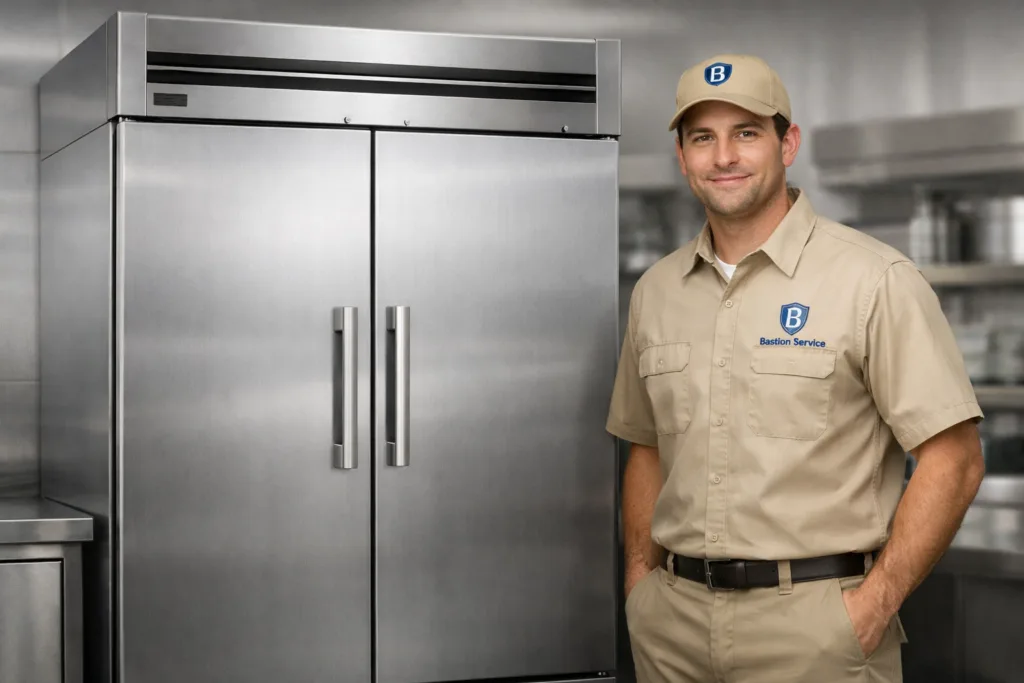




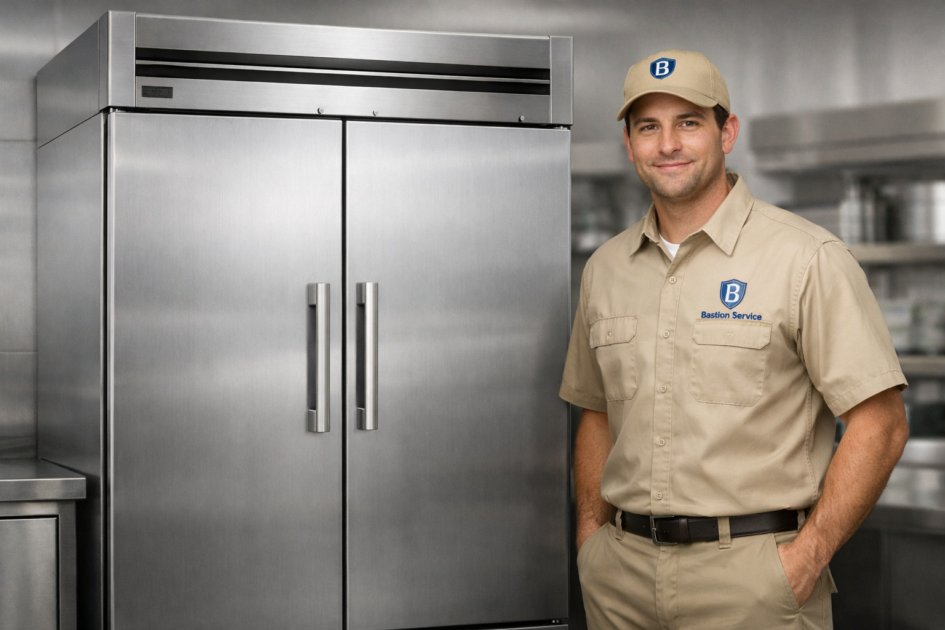
Freezer problems can escalate quickly when inventory, prep timing, and temperature control all depend on one unit performing normally. For businesses in Beverly Hills, service is most effective when the symptom is tied to a specific cause rather than treated as a generic cooling problem. Bastion Service handles True freezer repair by identifying what is actually failing, how it is affecting operation, and what repair steps are most likely to restore stable performance with minimal disruption.
Related commercial service paths in Beverly Hills include True Commercial Repair in Beverly Hills, Commercial Freezer Repair in Beverly Hills, and True Refrigerator Repair in Beverly Hills.
Symptoms that usually point to a repair need
A True freezer may show one obvious problem while the underlying cause sits elsewhere in the system. A cabinet that feels warm might have an airflow issue, a door sealing problem, a defrost failure, a control fault, or declining refrigeration performance. A noisy unit may not just be loud; it may be struggling with fan operation, ice interference, or a component beginning to fail under load. Looking at the full symptom pattern helps determine whether the issue is isolated or part of a larger performance decline.
Freezer not staying cold enough
If stored product is softening, cabinet temperature is drifting upward, or recovery after door openings is taking too long, the problem may involve condenser condition, evaporator airflow, fan motors, sensor response, control issues, or refrigeration components. Even a small temperature change matters when the freezer is opened frequently during the day. Units that seem only slightly warm can still put stored items and workflow at risk.
Frost buildup and interior ice formation
Frost on shelves, around the evaporator section, or along the door opening often means moisture is getting in or defrost performance is not keeping up. Common causes include damaged gaskets, poor door closure, blocked airflow, or failed defrost parts. Excess ice does more than reduce space. It can restrict air movement, lengthen run times, strain motors, and make temperature control less consistent.
Constant running or short cycling
A freezer that runs almost nonstop may be compensating for heat intrusion, dirty condenser conditions, weak airflow, or loss of cooling efficiency. Short cycling can point to electrical faults, control problems, overheating conditions, or compressor-related concerns. Either pattern deserves attention because repeated abnormal cycling tends to increase wear and can lead to a full loss of cooling if ignored.
Fan noise, buzzing, clicking, or rattling
New sounds often help narrow down the repair path. A rubbing or scraping noise may suggest ice contacting a fan blade. Buzzing can be related to electrical components or a motor under stress. Clicking may indicate a starting issue or a control trying repeatedly to engage a component. Rattling can come from loose panels, mounting hardware, or vibration tied to an overworked system. Noise alone does not confirm the fault, but it is often an early warning that the freezer is no longer operating normally.
Water leaks or moisture around the cabinet
Water where it should not be may result from drainage problems, ice melting in the wrong area, door seal failure, or an issue during defrost. In a busy work environment, leaks can create slip hazards in addition to signaling a freezer problem. Moisture around the cabinet should be checked before it turns into heavier icing or a more serious temperature complaint.
Why True freezer problems need symptom-based diagnosis
Many freezer complaints overlap. For example, poor temperature recovery can be caused by restricted airflow, a weak fan motor, a door not sealing tightly, excessive frost, or a refrigeration issue. Replacing the wrong part wastes time and can leave the real problem untouched. A proper diagnosis usually includes checking cabinet temperature behavior, fan operation, frost pattern, door condition, control response, and how the unit is cycling under normal load.
This approach matters for Beverly Hills businesses because downtime is rarely limited to the appliance itself. A freezer that cannot hold temperature can disrupt prep, storage planning, staff routines, and product protection. The goal is not just to make the unit run again, but to return it to stable operation that fits daily use.
Signs the freezer should be scheduled for service soon
Some problems start small and become expensive only after days or weeks of continued use. Scheduling service early can help prevent added strain on motors, controls, and refrigeration components.
- Cabinet temperature is inconsistent or trending warmer
- Product texture or firmness is changing
- Frost is building faster than usual
- Doors are not closing cleanly or gaskets look worn
- The unit is running much longer than normal
- The freezer starts and stops too frequently
- Fan noise, buzzing, or clicking is new or getting worse
- Water is appearing near the cabinet or inside the compartment
- Staff have to adjust usage habits to compensate for poor performance
When these warning signs are present, continued operation can turn a limited repair into a broader failure. Service is especially important if the unit is no longer recovering after loading or if stored product conditions are becoming uncertain.
Common repair areas on True freezers
The exact repair depends on testing and inspection, but several areas come up frequently when a True freezer stops performing normally.
Door gaskets and closure issues
Worn, torn, or misaligned gaskets allow warm air and moisture into the cabinet. That can lead to frost buildup, longer run times, and unstable interior temperature. Hinges, alignment, and closure tension may also need attention if the door is not sealing consistently.
Airflow and fan-related problems
Evaporator and condenser airflow are critical to cooling performance. If airflow is blocked or fan motors are weak, the freezer may struggle to pull down temperature, recover slowly, or develop uneven cooling. Fan issues often show up as temperature swings, ice buildup, or unusual noise.
Defrost system faults
When defrost parts are not operating properly, ice can accumulate around the evaporator and interfere with normal air movement. The freezer may appear to cool less effectively even though the deeper cause is ice restriction. Defrost faults are often mistaken for other cooling problems until the cabinet is inspected closely.
Controls, sensors, and electrical components
If the freezer cycles at the wrong times, fails to respond properly, or shows erratic behavior, the problem may involve controls, sensors, relays, or wiring-related issues. These faults can produce symptoms that look mechanical at first, so electrical testing is often part of an accurate diagnosis.
Refrigeration performance concerns
In some cases, the issue is tied to the cooling system itself rather than airflow or controls. A freezer that runs constantly, stays above target temperature, or recovers very slowly may require evaluation of overall refrigeration performance. This is one reason broad assumptions are risky; the visible symptom does not always reveal the failed area.
Repair or replacement depends on the condition of the unit
Many True freezer issues are repairable when addressed before repeated strain affects multiple systems. Problems involving door hardware, gaskets, fan motors, sensors, controls, and many defrost-related parts can often be resolved without replacing the entire cabinet. Early action usually improves the odds that repair remains the better option.
Replacement becomes a more serious consideration when the unit has a long history of major breakdowns, poor overall cabinet condition, or multiple high-cost issues occurring together. The decision should be based on the specific failure, equipment age, service history, and how important that freezer is to daily operation. For many businesses in Beverly Hills, the practical question is not just repair cost alone, but whether the unit can return to reliable use after service.
How to prepare for a freezer service visit
Basic details from staff can make diagnosis faster and more useful. If possible, note when the problem started, whether it is constant or intermittent, what sounds have changed, and whether frost, leaks, or door sealing issues are present. It also helps to know if the freezer is warming all the time or mainly during busy periods. These observations can shorten the path from symptom to repair decision.
If the cabinet is still operating, avoid repeated resets or temporary workarounds that mask the pattern unless needed for immediate safety. A consistent symptom history makes it easier to determine whether the problem is caused by controls, airflow, icing, or another system issue.
Service-focused support for Beverly Hills businesses
When a True freezer begins losing temperature, building ice, leaking, or making new noise, the best next step is to schedule repair based on the actual operating symptoms and current equipment condition. For businesses in Beverly Hills, timely service helps reduce downtime, protect stored product, and prevent added strain from a unit that is already struggling. A focused diagnosis followed by the right repair plan is usually the fastest path back to dependable freezer performance.


