
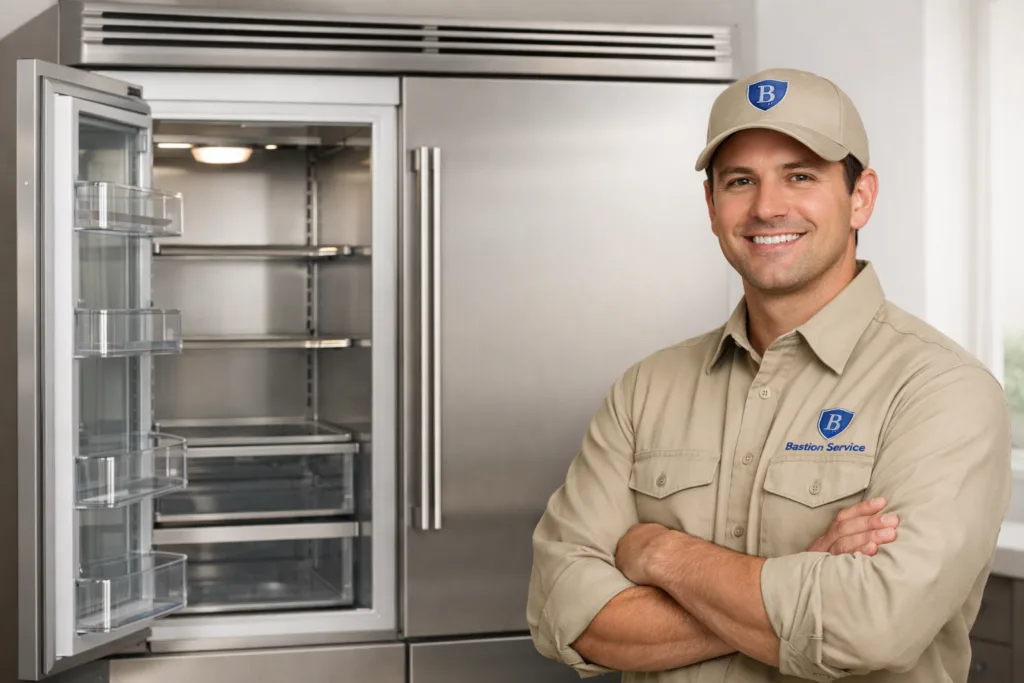




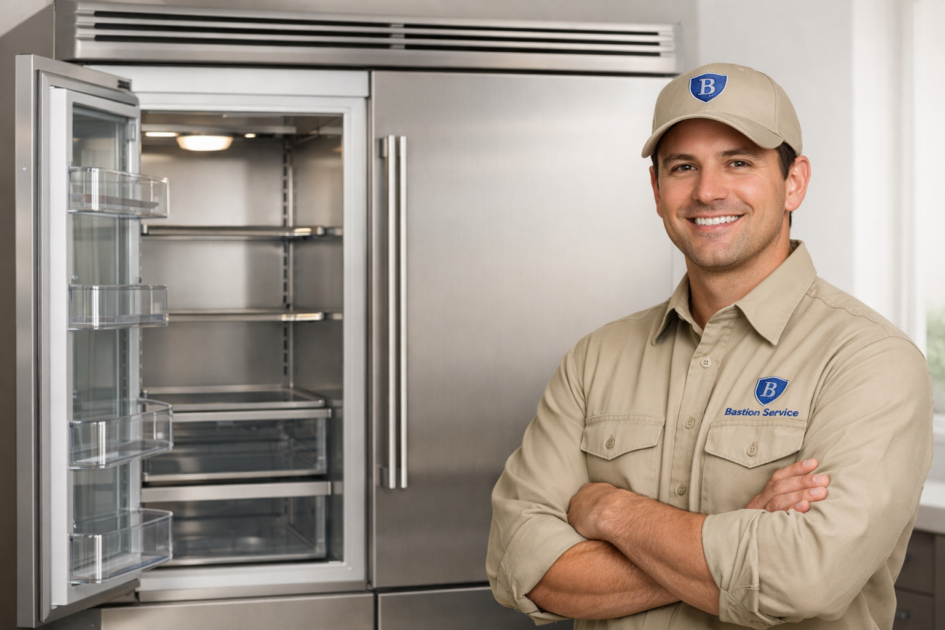
Temperature problems in a kitchen usually show up before the cause is obvious. A refrigerator may feel only slightly warm at first, a freezer may start building more frost than usual, or an ice maker may slow down without stopping completely. With True appliances, those early changes matter because they often point to issues that are easier to address before food loss, water leaks, or heavier component strain follow.
How True cooling problems usually present at home
Most homeowners do not discover a failed part. They notice symptoms: soft frozen food, uneven refrigerator temperatures, louder operation, excess moisture, or a wine cooler that no longer feels stable. The challenge is that similar symptoms can come from very different causes. Poor airflow, a worn gasket, frost blocking circulation, a fan motor problem, a control issue, or a sealed-system fault can all look similar at first.
That is why symptom pattern matters. A unit that runs constantly is different from one that cycles off too soon. Water under a refrigerator suggests a different starting point than a cabinet that is dry but warming. Noticing what changed, and when, helps narrow the repair path much faster.
Refrigerator signs that should not be ignored
A True refrigerator often gives warning signs before a complete cooling loss. Common examples include milk spoiling too quickly, produce drawers feeling warmer than expected, one shelf staying cold while another does not, or the cabinet sounding like it is working harder than normal. Interior condensation, water near the bottom, and doors that no longer close with the same resistance can also point to developing trouble.
Some refrigerator issues are tied to door sealing and air movement. Others involve defrost performance, sensors, controls, or compressor-related cooling failure. If the refrigerator is running but food temperatures keep rising, it is usually better to act before the problem spreads to other components.
Freezer symptoms that tend to escalate quickly
Freezer problems often become urgent faster because temperature swings are less forgiving. If packaged food feels soft, ice cream loses firmness, or frost starts covering shelves or the door area, the unit may no longer be holding stable conditions. A freezer that runs nonstop, clicks repeatedly, or forms ice in unusual spots should also be taken seriously.
In many cases, frost buildup is not the core failure but the result of something else, such as a defrost issue, air leak, or weak circulation. When left alone, that can lead to worsening airflow restriction and a more noticeable drop in performance. For Santa Monica households, the practical concern is simple: once frozen food begins thawing, the window for a manageable repair can narrow quickly.
Ice maker issues often involve more than ice production
A True ice maker may stop making ice entirely, produce smaller cubes, create hollow cubes, leak water, or dump irregular batches. While the ice-making assembly can be at fault, many ice problems begin elsewhere. Water supply interruptions, fill valve issues, temperature instability, sensor faults, or freezing in the wrong part of the system can all affect output.
If the ice maker is noisy, dripping, or making ice inconsistently, it helps to note whether the problem is constant or intermittent. An issue that appears only at certain times of day or after a door has been opened frequently can point in a different direction than a unit that has stopped working altogether.
Wine cooler performance depends on consistency
A True wine cooler is designed around stable storage rather than rapid temperature recovery. That means smaller performance changes can matter more than homeowners expect. If bottles feel warmer than the setting suggests, the display seems inaccurate, or the unit runs more often than it used to, there may be an airflow, thermostat, sensor, or seal problem developing.
Because wine coolers are often opened less frequently than a main refrigerator, gradual drift can go unnoticed. Paying attention to cabinet feel, noise changes, and cycle length can help catch a problem before long-term storage conditions are affected.
Symptoms that usually mean service should be scheduled soon
Some appliance issues can be monitored briefly, but others should move higher on the list. It is generally time to schedule service when you notice:
- food temperatures rising in the refrigerator or freezer
- heavy or repeated frost buildup
- water pooling under or inside the unit
- an ice maker leaking or producing very little ice
- a wine cooler failing to maintain its set temperature
- constant running, repeated clicking, or unusual fan noise
- doors not sealing well or visible gasket damage
These symptoms do not all point to the same repair, but they do suggest that waiting may increase both inconvenience and repair scope.
Why small cooling changes can turn into larger repairs
Cooling appliances depend on several systems working together. If airflow drops, temperatures rise unevenly. If a drain blocks, water can collect and freeze where it should not. If a gasket leaks, the appliance may run longer and wear itself down faster. What starts as a modest performance issue can gradually create secondary problems that were not present at the beginning.
For that reason, homeowners in Santa Monica often benefit from paying attention to the first noticeable change rather than waiting for total failure. A unit that is “mostly working” can still be signaling a problem worth addressing before food loss or interior icing becomes the main complaint.
Repair or replacement depends on the actual fault
The decision is rarely based on one symptom alone. A refrigerator or freezer with an isolated fan, sensor, gasket, valve, or control problem may still be a strong candidate for repair if the cabinet and main cooling system are otherwise in solid condition. On the other hand, replacement becomes more likely when the appliance has severe sealed-system trouble, repeated major failures, or a repair cost that no longer makes sense for the unit’s age and condition.
That distinction matters because a cooling complaint by itself does not tell you which side of the line you are on. A unit that seems headed for replacement may turn out to have a serviceable fault. Just as importantly, an appliance with recurring major issues may not be the best place to keep investing. The useful next step is evaluating the specific failure, not guessing from the symptom alone.
What to note before an appointment
A few observations can make troubleshooting more efficient. Before service, it helps to note:
- whether the problem is constant or comes and goes
- which section is affected most
- whether there is frost, standing water, or condensation
- any clicking, buzzing, fan noise, or changes in cycle length
- whether the issue started suddenly or developed over time
- if the display setting matches the actual cabinet feel
You do not need a technical diagnosis. Simple details from daily use are often enough to separate a door-seal or airflow problem from a more serious cooling fault.
Choosing the right next step for your True appliance
When a True refrigerator, freezer, ice maker, or wine cooler changes behavior, the most helpful approach is to look at the symptom pattern in real household use. A warm spot, a leak, repeated frost, or slow ice production may sound minor on its own, but each can point to a different repair direction. For Santa Monica homeowners, the goal is not to guess at parts. It is to identify what the appliance is actually doing, what that suggests, and whether repair remains the sensible path.


