




Southbend oven failures can slow production long before the unit stops outright. When temperature performance changes, ignition becomes unreliable, or controls start acting inconsistently, service is usually most effective when the symptom is tested under real operating conditions instead of assuming a single failed part. For businesses in Mar Vista, that means scheduling repair based on what the oven is doing now, how it affects output, and whether continued use could lead to a larger shutdown.
Related commercial service paths in Mar Vista include Southbend Commercial Repair in Mar Vista, Commercial Oven Repair in Mar Vista, and Southbend Range Repair in Mar Vista.
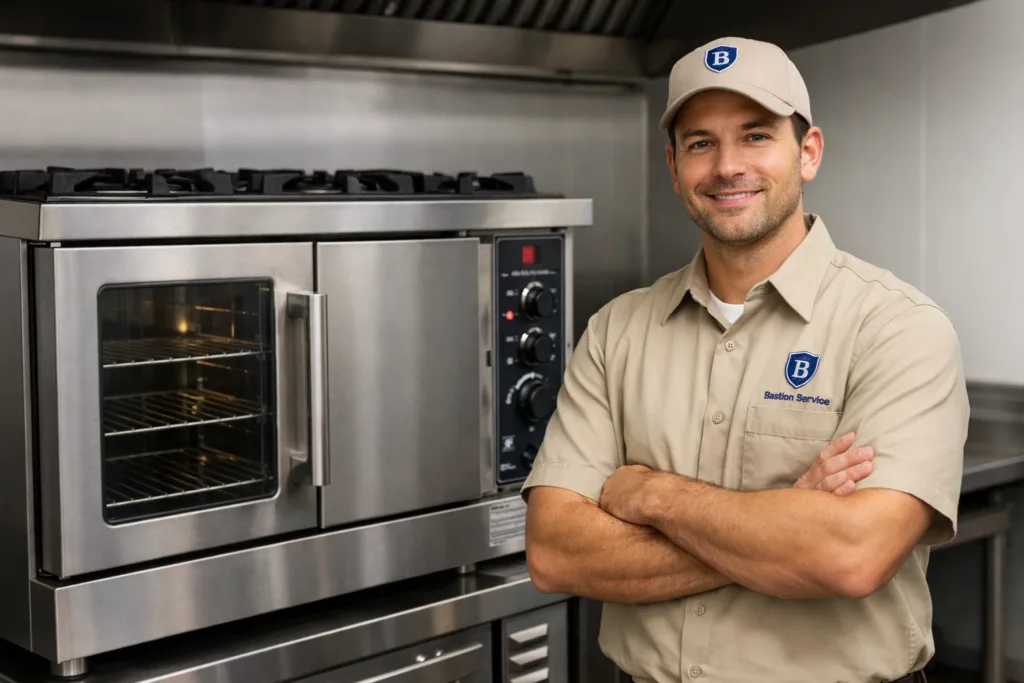
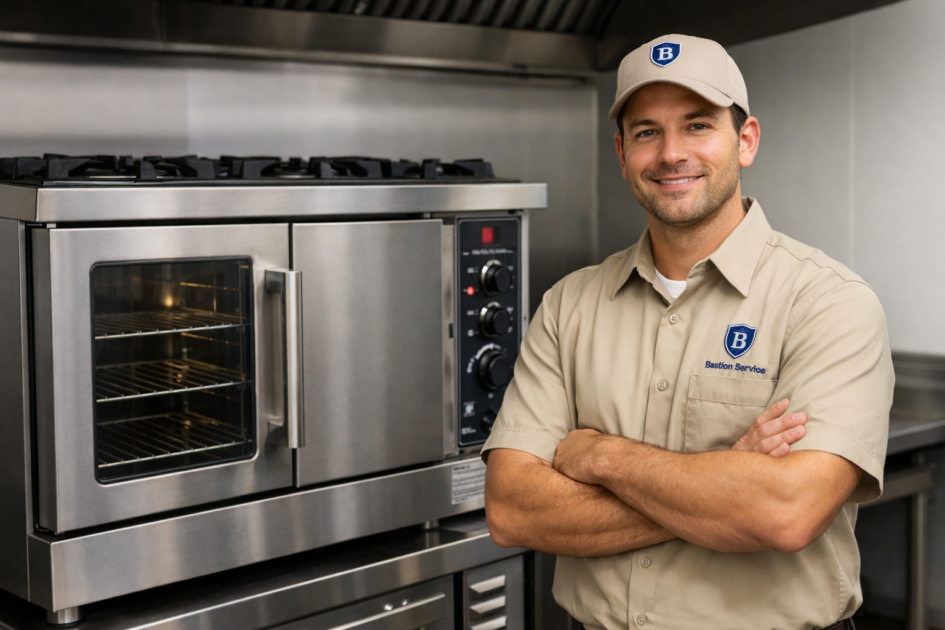
Bastion Service works with Mar Vista businesses to identify Southbend oven issues that interfere with baking consistency, recovery time, startup, or safe daily operation. A service visit is most useful when it connects the symptom to the likely failure path, helps prioritize repair timing, and sets realistic expectations for getting the oven back into reliable use.
Common Southbend oven problems that affect daily operations
Not heating or taking too long to preheat
If the oven stays cool, heats slowly, or never reaches the selected temperature, the problem may involve the igniter, heating element, sensor, thermostat, gas delivery, relay, or control system. In a busy kitchen, slow preheat is more than an inconvenience. It can delay opening tasks, reduce batch throughput, and create pressure on the rest of the line.
This symptom is worth addressing early because partial heat failures often become complete no-heat calls. An oven that still warms up eventually may already be operating with a component that is weakening under load.
Uneven baking, hot spots, or drifting temperature
When one pan browns faster than another, products need frequent rotation, or recipes that used to be consistent start coming out differently, the issue may point to a sensor problem, calibration drift, airflow trouble, weakened heat output, or poor door sealing. These conditions can make staff compensate manually, which often hides the underlying fault while quality continues to drop.
Uneven performance is especially important to diagnose carefully because the root cause is not always obvious. What looks like a thermostat issue may actually involve heat distribution, component wear, or a door that is leaking enough heat to upset normal cycling.
Ignition trouble and intermittent startup
A Southbend oven that clicks without lighting, lights late, starts only sometimes, or shuts down after ignition may have a fault involving the igniter, flame sensing, gas flow, safety controls, or wiring. Intermittent startup problems tend to worsen at the least convenient time, especially during heavy production periods when repeated cycling exposes weak components.
If startup reliability changes from day to day, that is a sign to schedule service before the unit becomes unpredictable enough to interrupt prep or service windows.
Controls not responding or error conditions appearing
Buttons that stop responding, a display that flashes errors, settings that will not hold, or cycles that behave unpredictably can indicate a control board issue, interface failure, sensor problem, wiring fault, or unstable incoming power. These symptoms often create secondary problems because operators may adjust temperatures repeatedly or restart the oven to keep it running.
When the control system is no longer dependable, food quality and timing become harder to manage. Prompt repair helps prevent that pattern from turning into broader equipment stress or a total loss of function.
Door, hinge, and gasket problems
If the door will not close evenly, feels loose, drops out of alignment, or leaks heat, the oven may struggle to maintain temperature even when major heating components are still functioning. Worn hinges and damaged gaskets can extend cook times, increase energy use, and create the impression of a deeper heating failure.
Because heat loss affects overall stability, these mechanical issues should not be dismissed as minor. In many cases, correcting sealing problems improves recovery and temperature consistency right away.
Why symptom-based diagnosis matters
Southbend ovens can show the same symptom for very different reasons. A unit that runs cold might have a weak igniter, a failing sensor, poor gas performance, a control issue, or a door leak that prevents proper temperature retention. Replacing one visible part without confirming the full cause can lead to repeat visits, extra expense, and more downtime.
A better repair process starts with the symptom pattern: when the problem happens, whether it appears during preheat or under load, how the oven cycles, and whether the issue is constant or intermittent. That information helps determine whether the problem is isolated, spreading, or tied to operating conditions inside the kitchen.
Signs it is time to schedule service
- Preheat takes noticeably longer than normal
- The oven no longer reaches the selected temperature
- Products come out unevenly cooked or require frequent rotation
- Ignition is delayed, inconsistent, or fails intermittently
- The oven starts and then shuts down mid-cycle
- Controls reset, drift, or display error messages
- The door does not seal well or leaks visible heat
- Staff are adjusting settings constantly to get usable results
These warning signs usually mean the oven is no longer operating with normal stability. Scheduling service before a full breakdown often makes planning easier and reduces the chance of losing the unit during a critical shift.
When continued use can make the repair worse
Some faults become more expensive if the oven stays in heavy rotation. A weak igniter can progress into repeated startup failure. A poor door seal can force longer run times and stress temperature controls. Electrical issues can worsen with heat and repeated cycling. If the oven is tripping, shutting off unexpectedly, or failing to maintain steady heat, limiting use until it is evaluated may help prevent secondary damage.
If there is a persistent gas odor, stop using the oven and address the safety issue first before arranging appliance repair.
Repair or replacement: how businesses usually decide
Repair is often the practical option when the fault is tied to serviceable components and the oven still matches the kitchen’s production needs. Replacement becomes a stronger consideration when failures are stacking up, downtime is recurring, or the oven no longer supports the volume, consistency, or reliability the operation requires.
The right decision depends on the condition of the unit, the nature of the failure, and how disruptive the outage has become. A proper assessment helps separate a targeted fix from a larger reliability problem so the business can plan the next step with fewer surprises.
Preparing for a Southbend oven service visit in Mar Vista
Before scheduling repair, it helps to note the exact symptom: whether the oven is not heating, heating unevenly, shutting down during use, or showing control errors. It is also useful to identify when the problem happens, how long it has been occurring, and whether it affects every cycle or only certain loads. That information can shorten diagnosis time and make the visit more productive.
For businesses in Mar Vista, the goal of service is straightforward: identify what is interrupting performance, determine whether the repair is worth moving forward quickly, and reduce the risk of additional downtime. When a Southbend oven starts affecting output, consistency, or safe operation, scheduling a focused repair visit is usually the most practical next step.


