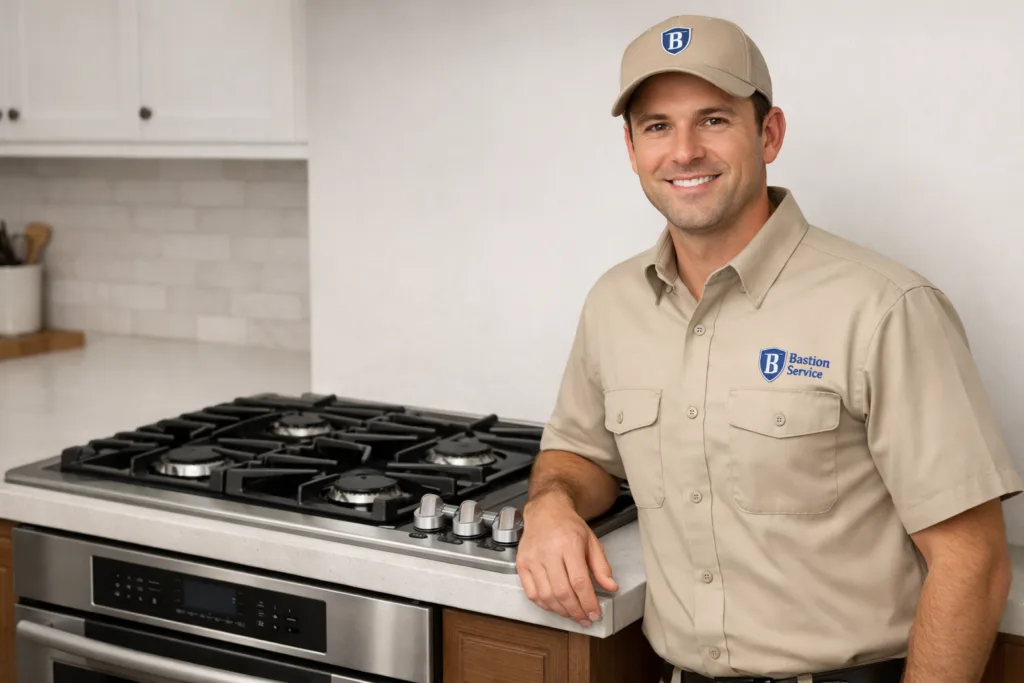
Cooktop problems often look simple from the surface, but the same symptom can come from several different faults. A burner that will not heat might involve the element, switch, wiring, or receptacle. A gas burner that keeps clicking may have a moisture issue, a misaligned cap, blocked ports, or a failing ignition component. Identifying the actual failure first helps avoid unnecessary part replacement and gives homeowners in Rancho Park a better idea of whether repair makes sense.
Common Kenmore cooktop symptoms and what they may mean
Burner will not heat
When one burner stops working on an electric Kenmore cooktop, the cause is often isolated to that burner circuit. Common possibilities include a failed radiant element, a worn infinite switch, a damaged receptacle, or heat-stressed wiring below the surface. If more than one burner is affected, the problem may involve shared wiring, incoming power, or the control side of the unit rather than a single bad part.
On gas models, a burner that will not light may still be receiving gas, still be sparking, or be doing neither. That distinction matters because the repair path changes depending on whether the issue is with ignition, flame path, burner alignment, or another component in the system.
Burner heats unevenly or too slowly
Uneven heating usually shows up in daily cooking before it becomes a complete failure. Pans may take longer to boil, one side of a skillet may run hotter than the other, or simmer settings may feel inconsistent. On electric cooktops, a weak element or poor connection can cause irregular cycling. On gas units, partial flame patterns often point to buildup in the burner head or ports, which disrupts even heat across the pan.
If the problem has been getting worse gradually, that can be a sign of wear rather than a sudden one-time failure. Catching it earlier may keep the repair more contained.
Burner stays too hot or does not respond to setting changes
A burner that runs hotter than expected deserves prompt attention, especially if it seems stuck on high or continues heating after the control is turned down. On many Kenmore electric cooktops, this can indicate a failing switch that is no longer regulating output correctly. The burner may still work, but not safely or predictably.
This type of problem is more than an inconvenience. It can overheat cookware, damage the cooktop surface, and put extra stress on nearby components.
Clicking that does not stop
Continuous clicking on a gas cooktop is one of the most common complaints. Sometimes it happens after routine cleaning when moisture reaches the igniter area. In other cases, the burner cap is not seated correctly, food debris is interfering with ignition, or the spark system itself is beginning to fail. If the clicking continues after the area has dried and the burner parts are properly aligned, the cooktop should be inspected before regular use continues.
Burner clicks but does not ignite
If you hear clicking but do not get flame, the problem may involve blocked burner ports, poor spark positioning, a burner cap issue, or trouble in the ignition circuit. The click itself tells only part of the story. What matters is whether the spark is reaching the gas correctly and whether the burner is producing a stable flame once lit.
If there is any persistent gas odor, stop using the cooktop and treat it as a safety concern first.
Cracked glass or visible surface damage
A cracked cooktop surface is not just a cosmetic issue. On glass models, cracks can spread with heat and may affect safe operation. Damage around burner openings, control areas, or edges can also allow spills and moisture to reach components below the top. In some cases, surface replacement is possible. In others, the condition of the full unit may make replacement a better choice.
Signs the problem may be getting worse
Some cooktops fail all at once, but many show a pattern first. Homeowners in Rancho Park often notice smaller warning signs before the appliance becomes unreliable for everyday meals.
- A burner works only intermittently
- Ignition problems happen more often after each use
- The same burner repeatedly needs resetting or relighting
- Controls feel loose, stiff, or inconsistent
- The cooktop trips power or shows signs of overheating
- Flame patterns look uneven or weaker than normal
When symptoms start repeating, continued use can turn a targeted repair into a more involved parts and labor issue.
When continued use can create added damage
Cooktops are easy to keep using in a limited way when only one burner seems affected, but that can sometimes make the final repair more expensive. A loose electrical connection may keep arcing and damage terminals. An overheated switch can affect surrounding wiring. A gas burner that is not igniting cleanly can lead to repeated stress on spark components and unreliable operation during cooking.
Even if the appliance still functions part of the time, inconsistent performance is often a sign that something is deteriorating rather than correcting itself.
What a service visit typically focuses on
Most residential cooktop calls are centered on a few practical questions: which component failed, whether the problem is limited or system-wide, and whether the appliance is worth repairing in its current condition. For Kenmore cooktops, that often means checking burner operation, ignition response, control behavior, wiring condition, and the physical state of the top and surrounding parts.
This kind of clear diagnosis is especially useful when a symptom could point to multiple causes. It helps separate a straightforward burner repair from a broader control or surface issue.
Repair or replace?
That decision usually depends on the age of the cooktop, overall condition, part availability, and the type of failure involved. Repair is often reasonable when the problem is limited to a switch, igniter, radiant element, burner receptacle, or another defined component and the rest of the appliance is in solid shape.
Replacement becomes more likely when there is major glass damage, multiple burner circuits failing at once, repeated electrical overheating, or repair costs that no longer make sense for the condition of the appliance. For many Rancho Park households, the best choice comes down to whether the cooktop can return to safe, predictable daily use without chasing one issue after another.
Helpful steps before service
If the cooktop is still usable and there is no safety concern, it helps to note exactly what the burner is doing. Useful details include whether the problem affects one burner or several, whether the symptom is constant or intermittent, whether clicking started after cleaning, and whether a burner runs too hot even on a low setting. Those symptom patterns can make diagnosis faster and more accurate.
If your Kenmore cooktop is not heating properly, will not ignite, clicks repeatedly, or shows surface or control problems, addressing it sooner usually gives you more options and a better repair outcome.