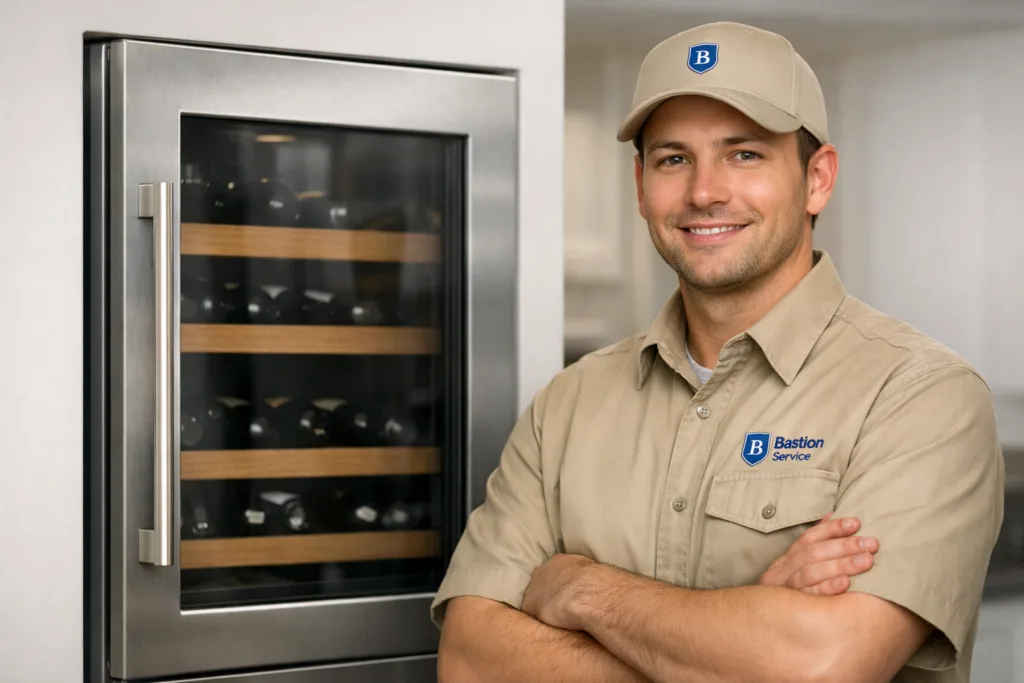
Wine storage problems usually show up before a unit fails completely. A Marvel wine cooler that drifts a few degrees, starts making new noise, or leaves moisture inside the cabinet is already signaling that something in the cooling, airflow, or control system is off. Catching the issue early can help protect both the appliance and the conditions your bottles are being kept in.
How Marvel wine cooler problems usually develop
Many homeowners first notice a subtle change rather than a full breakdown. The cabinet may feel a little warmer than the display suggests, the fan may seem louder, or condensation may start appearing near the door. In other cases, the unit runs for long stretches without reaching the set temperature. These patterns matter because they help narrow down whether the issue is related to airflow, sensors, door sealing, drainage, or the refrigeration system itself.
With undercounter and built-in models, installation conditions can also affect performance. If ventilation is restricted or the cooler is struggling to shed heat, the symptom may look like a thermostat problem when the root cause is different. That is why the most useful repair path starts with the actual behavior of the unit rather than assumptions.
Common Marvel wine cooler symptoms and what they may mean
Cabinet not cooling properly
If the interior is warmer than expected, the cause can range from dirty condenser coils and weak fan operation to sensor errors, control issues, poor door sealing, or sealed system trouble. Some units cool unevenly, where one section feels acceptable but another does not. That often points to airflow or circulation issues rather than a simple setting adjustment.
Temperature instability is worth addressing quickly because repeated warming and cooling cycles can undermine storage conditions even if the cooler still seems to be working part of the time.
Unit runs almost constantly
A Marvel wine cooler that rarely shuts off is usually working harder than it should. This can happen when cold air is escaping through a worn gasket, when coils cannot dissipate heat efficiently, or when the refrigeration system is losing performance. Constant operation does not always mean the compressor has failed, but it does mean the unit is under strain.
Interior gets too cold
Overcooling can be just as concerning as inadequate cooling. If bottles feel unusually cold or temperatures dip low enough to affect corks or labels, the problem may involve a faulty sensor, thermostat, or electronic control. In some cases, a unit alternates between running too cold and then not cooling enough, which is a strong sign that control logic or temperature feedback is unreliable.
Water inside the cooler or on the floor
Moisture problems often come from a blocked drain path, excessive condensation, frost melt, or a door that is not sealing tightly. Even small amounts of recurring water should not be ignored. Over time, that moisture can affect shelving, interior liners, adjacent cabinetry, and flooring around the installation area.
Frost or ice buildup
Frost usually means moisture is entering the cabinet or airflow is being disrupted. A gasket that is not closing evenly, a fan that is not moving air correctly, or a sensor issue can all contribute. Once frost develops, it can begin interfering with normal circulation and lead to secondary symptoms like fan noise, reduced cooling, or puddling when the ice melts.
Buzzing, clicking, rattling, or fan noise
Not every sound is a sign of major failure, but a clear change in sound pattern deserves attention. Rattling may come from vibration or mounting issues. Buzzing can point to compressor strain or electrical trouble. A scraping or repetitive fan noise often suggests ice interference, a failing motor, or a blade alignment problem. If the sound is new and persistent, it usually means the unit needs inspection rather than observation.
Signs the issue is likely getting worse
Some wine cooler problems stay fairly stable for a short time, but others progress quickly. Warning signs that should not be delayed include:
- Temperature rising day after day
- Display readings that do not match actual cabinet conditions
- Repeated cycling on and off
- Water returning after being wiped up
- Frost reappearing soon after defrosting
- New electrical behavior such as beeping, blank controls, or power interruptions
If the cooler has stopped cooling entirely, is tripping power, or is making harsh compressor or fan noise, continued use can increase the chance of additional component damage.
What gets checked during service
A proper wine cooler service call is usually centered on the symptom pattern you are seeing at home. That can include checking actual cabinet temperature, evaluating sensor response, inspecting door gasket condition, reviewing airflow through the condenser and evaporator sections, looking for drain or condensation issues, and testing key electrical and control components.
On a Marvel unit, this matters because similar symptoms can come from very different failures. For example, “not cooling” might be caused by a simple airflow restriction, or it could indicate a larger refrigeration problem. The repair plan should reflect that difference clearly so the next step makes sense for the appliance and the household.
Repair versus replacement for a household wine cooler
Many Marvel wine cooler issues are repairable when the cabinet, liner, and sealed system are otherwise in decent shape. Fan motors, sensors, controls, drains, gaskets, and certain electrical components are often the types of faults that make repair reasonable. Replacement becomes a more serious consideration when there are multiple failures at once, recurring major cooling problems, or a repair cost that no longer fits the age and condition of the unit.
For homeowners in Venice, the decision usually comes down to a few practical questions: whether the cooler is still structurally sound, whether the main failure is isolated or system-wide, and whether the expected repair restores stable wine storage conditions without throwing money at a unit near the end of its useful life.
When scheduling service makes sense
It is a good time to schedule Marvel wine cooler service when the unit cannot hold its set temperature, the display behaves erratically, condensation or leaking keeps returning, or noise levels have clearly changed. These are not just comfort issues. They are signs that the cooler is no longer maintaining the stable environment it was built to provide.
In Venice homes where the wine cooler is used daily, fast attention to temperature swings, fan noise, and moisture problems can prevent a smaller repair from turning into a more expensive one. A focused evaluation helps identify what failed, what the repair involves, and whether fixing the unit is the right next step.