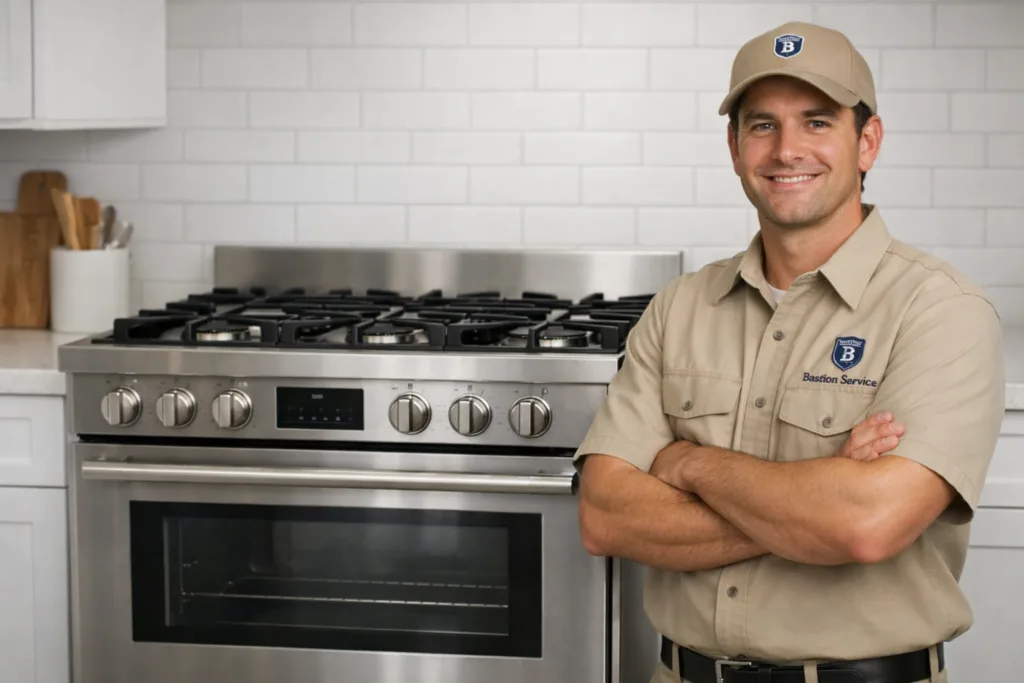




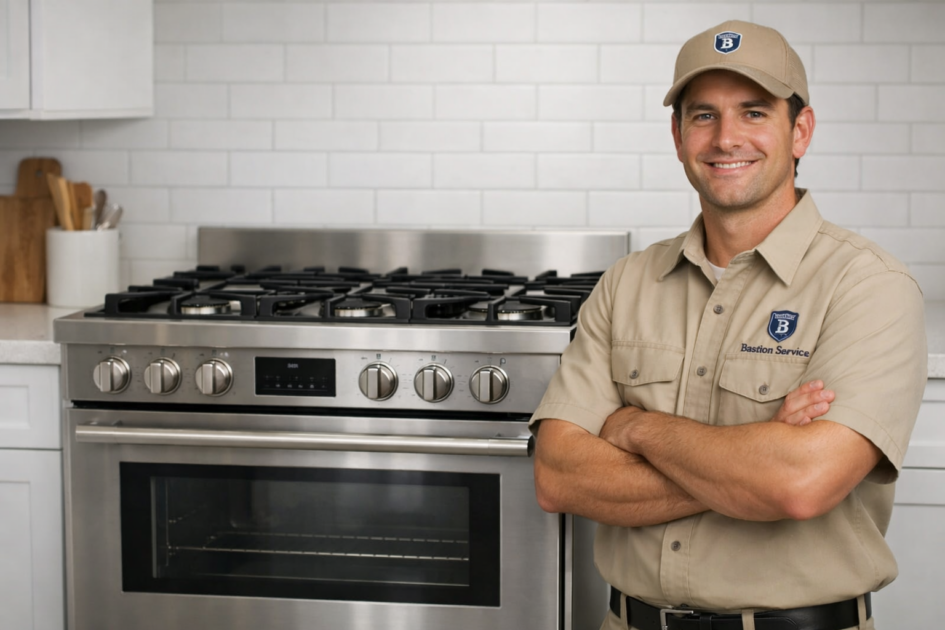
Range problems usually show up in the middle of normal cooking: a burner that clicks but will not light, an oven that needs extra time to preheat, or heat levels that no longer match the setting on the knob or display. With Fisher & Paykel models, those symptoms can come from ignition parts, temperature sensors, elements, switches, wiring, or electronic controls, so it helps to troubleshoot by symptom rather than guess by appearance.
Related Fisher & Paykel and range service paths in Hawthorne include Fisher & Paykel Appliance Repair in Hawthorne, Range Repair in Hawthorne, and Fisher & Paykel Refrigerator Repair in Hawthorne.
What common range symptoms often mean
Burner clicks but does not ignite
On gas ranges, repeated clicking without ignition often points to an issue with the igniter, burner cap positioning, moisture around the burner base, or a faulty ignition switch. Sometimes the burner will light after several tries, which can make the problem seem minor, but inconsistent ignition usually gets worse with continued use.
If one burner is affected while the others work normally, the problem may be isolated to that burner assembly. If multiple burners behave the same way, the fault may involve shared ignition components or a broader control issue.
Oven will not heat or heats too slowly
An oven that stays cool, takes much longer than normal to preheat, or never reaches the selected temperature may have a failed bake element, weak igniter, temperature sensor problem, relay fault, or control board issue. In day-to-day use, this often shows up as undercooked food, longer bake times, or broiling that seems normal while baking does not.
Slow heating should not be dismissed as normal aging. When the oven has to work harder to get up to temperature, other components can be stressed as well.
Uneven baking or temperature drift
If dishes are browning too quickly on one side, needing extra time in the center, or coming out differently from one use to the next, the oven may not be cycling heat correctly. A drifting sensor, failing element, weak igniter, or control problem can all lead to temperature swings that are hard to spot until cooking results become inconsistent.
This kind of issue matters for more than convenience. Unstable oven temperatures can affect baking results, roasting times, and food safety.
Surface element or burner heat is wrong
When a burner runs too hot, does not respond to lower settings, or will not turn on at all, the cause may involve the switch, element connection, burner assembly, or control system. Electric elements that only work at one heat level often point to a control problem, while gas burners with weak or uneven flame may need burner cleaning, adjustment, or ignition diagnosis.
Display or controls act erratically
Some failures are less about heat and more about operation. A Fisher & Paykel range may show intermittent power loss, unresponsive buttons, flashing displays, or settings that change unexpectedly. These symptoms can be tied to internal wiring faults, a damaged control interface, or a failing main board. Because several components can create similar behavior, careful testing is more useful than replacing parts one at a time.
Signs the problem should not be ignored
Some range issues are inconvenient. Others can create safety concerns or lead to additional damage. It makes sense to stop putting off service when you notice any of the following:
- The oven cannot maintain a stable cooking temperature.
- A burner keeps clicking after ignition or fails to light reliably.
- The cooktop overheats or does not lower properly when adjusted.
- The appliance loses power during use.
- You smell insulation burning, see sparking, or notice heat where it should not be.
Intermittent faults are especially easy to underestimate. A range that fails only occasionally can still have a part that is deteriorating and likely to fail more completely later.
When continued use can make the repair bigger
Using a malfunctioning range for too long can turn a limited repair into a more involved one. A weak igniter may continue straining until ignition becomes unreliable. A failing element connection can overheat terminals and damage nearby wiring. A control issue that causes overheating can affect internal components beyond the original failure.
If the appliance is behaving unpredictably, reducing use until the issue is identified is often the better choice. For gas-related concerns, safety comes first. If there is a strong or persistent gas smell, stop using the range and follow gas safety procedures before arranging appliance service.
How a symptom-based diagnosis helps
The most useful service approach starts with how the range is actually failing in the kitchen. Whether the problem affects the oven, cooktop, or both matters. So does whether the symptom is constant, happens only after preheating, appears on one burner, or comes and goes. Those details help narrow the fault more quickly and reduce the chance of replacing the wrong part.
In Hawthorne homes, this is especially important with modern ranges that combine heating components with electronic controls. Two appliances can show the same symptom on the surface but need very different repairs once tested.
Repair or replace?
Many Fisher & Paykel range problems are worth repairing when the issue is limited to parts such as igniters, elements, sensors, switches, or selected control-related components. Replacement becomes more likely when the range has multiple major failures, severe wiring damage, repeated control issues, or parts that are no longer practical to source.
A good decision usually depends on four things:
- Which component has actually failed
- The age and overall condition of the range
- Whether the appliance has otherwise been reliable
- Whether the current issue has caused secondary damage
That is why symptom history matters. A range that has cooked well for years and now has one isolated failure is a very different case from an appliance with ongoing ignition, heating, and control problems at the same time.
What homeowners in Hawthorne should expect
For a residential range, the goal is straightforward: determine why the burner, oven, or controls are failing and whether the fix makes sense for the appliance you have. That means checking the functions tied to the complaint, testing likely components, and looking for signs that the issue is isolated or part of a larger electrical or control problem.
For households in Hawthorne, that kind of focused evaluation is the best way to move from frustrating kitchen symptoms to a repair plan that matches the actual condition of the Fisher & Paykel range.