
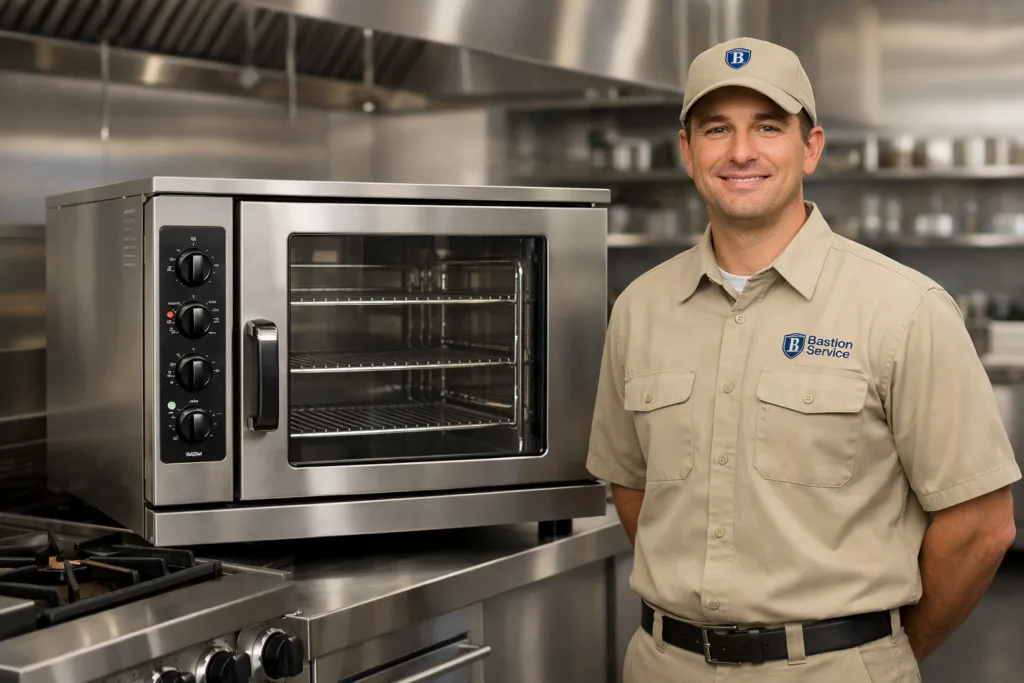




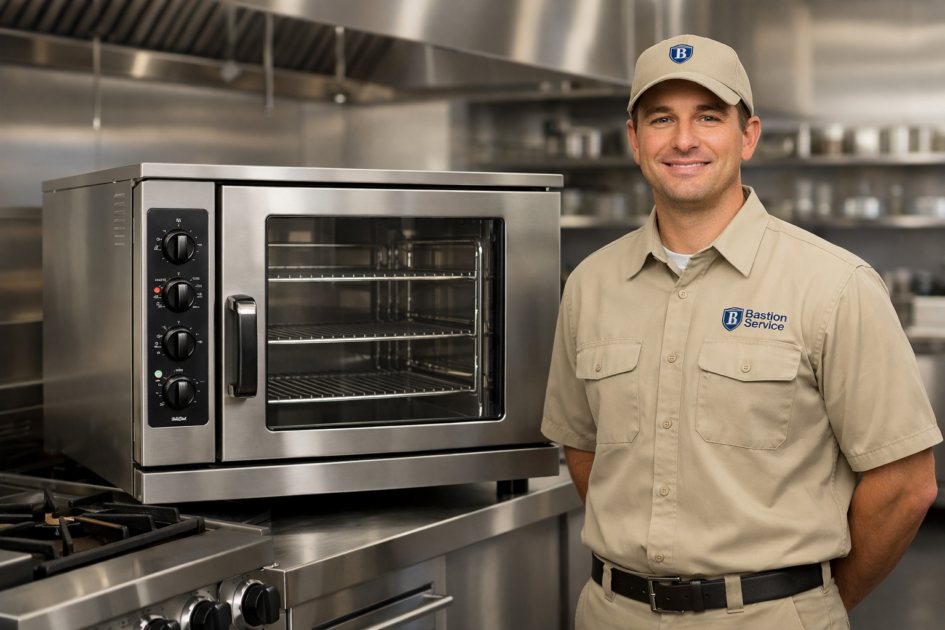
Temperature problems in a commercial oven can spread through the entire kitchen faster than many teams expect. What starts as a slow preheat or an occasional hot spot often becomes inconsistent product, delayed plating, extra supervision from staff, and avoidable waste. In Rancho Palos Verdes, the most useful first step is to determine whether the issue is tied to heat production, temperature sensing, airflow, controls, or a power-related fault rather than assuming every baking problem has the same cause.
Related commercial equipment paths in Rancho Palos Verdes include Blodgett Oven Repair in Rancho Palos Verdes and Southbend Oven Repair in Rancho Palos Verdes.
Commercial oven issues that commonly interrupt service
Commercial ovens are often called in for service when they are not heating, heating too slowly, overshooting the set temperature, cooling off during a cycle, or producing uneven results from one rack position to another. Other common complaints include fault codes, doors that do not seal well, fans that do not move air correctly, burners that fail to ignite consistently, and controls that respond intermittently. In a business environment, those symptoms affect throughput as much as cooking quality.
Even when an oven still turns on, performance can already be compromised. Staff may start rotating pans more often, extending cook times, lowering batch sizes, or avoiding certain menu items altogether. Those workarounds may keep service moving for a short time, but they usually point to a mechanical or electrical problem that should be diagnosed before it creates a larger shutdown.
What uneven heat can mean
Uneven baking or roasting does not always mean the entire oven is failing. Depending on the unit, the cause may involve weakened heating elements, burner ignition issues, a failing temperature sensor, poor air circulation, damaged door gaskets, or a control board that is not cycling heat correctly. If the symptom involves burner heat and oil recovery concerns in nearby cooking equipment at the same time, Commercial Fryer Repair in Rancho Palos Verdes may be the better service path for that separate part of the line.
Why slow preheat should not be ignored
A commercial oven that eventually reaches temperature can still have a serious problem. Slow preheat often points to declining heating output, sensor drift, relay failure, gas ignition trouble, or supply issues that reduce performance under load. That matters because kitchens often notice the delay first during opening prep, then later see broader temperature instability once the oven is cycling repeatedly through service.
Symptoms that suggest a control or safety problem
Some oven failures show up less as cooking defects and more as electrical or control irregularities. Examples include displays that reset, intermittent shutdowns, breaker trips, error messages, fans that stop without warning, or units that appear to call for heat but do not respond. These conditions can indicate damaged wiring, failing contactors, worn switches, overheating components, or internal shorts.
Continued use in that condition can lead to added part damage and longer downtime. If staff have to restart the oven repeatedly or monitor it through every cycle, the issue has moved beyond a minor inconvenience. Commercial service should focus on confirming safe operation, tracing the failure path, and identifying whether the fault is isolated or part of broader wear inside the unit.
When oven service should be scheduled quickly
Prompt service makes sense when product quality is already being affected, when the oven cannot hold set temperature, when ignition is inconsistent, when there is visible heat damage around wiring or controls, or when the unit shuts down during active use. Delaying repair can increase food waste, labor strain, and scheduling pressure, especially when the oven supports high-volume prep or time-sensitive service windows.
- Preheat takes much longer than normal
- Temperatures swing enough to affect consistency
- One side or rack level cooks differently from another
- The door does not close or seal properly
- The unit trips protection devices or loses power mid-cycle
- Fault codes return after resets
Repair versus replacement for commercial ovens
Repair is often the better decision when the problem is limited to identifiable components such as igniters, elements, sensors, thermostats, relays, switches, contactors, fan motors, door hardware, or control-related parts. In those cases, the main question is whether the rest of the oven remains structurally sound and suitable for continued operation after the failed parts are addressed.
Replacement becomes more likely when there is extensive internal deterioration, repeated major failures, severe heat damage, parts availability problems, or repair costs that no longer make operational sense. A useful evaluation should separate the immediate cause of the breakdown from the larger condition of the equipment so management can make a decision based on uptime, cost, and expected reliability rather than urgency alone.
What a productive service visit should accomplish
For a commercial oven in Rancho Palos Verdes, an effective service process should verify the complaint in real operating conditions, test temperature behavior through a heat cycle, inspect controls and safety components, and check whether the problem appears only at startup or worsens as the unit stays under load. That approach helps identify why the oven is underperforming, not just which part failed first.
Businesses usually benefit most from service that restores predictable temperature performance and reduces repeat interruptions. When the diagnosis is thorough, it is easier to decide whether the oven can return to dependable daily use with targeted repairs or whether the current failure is part of a larger decline that needs a different plan.


