
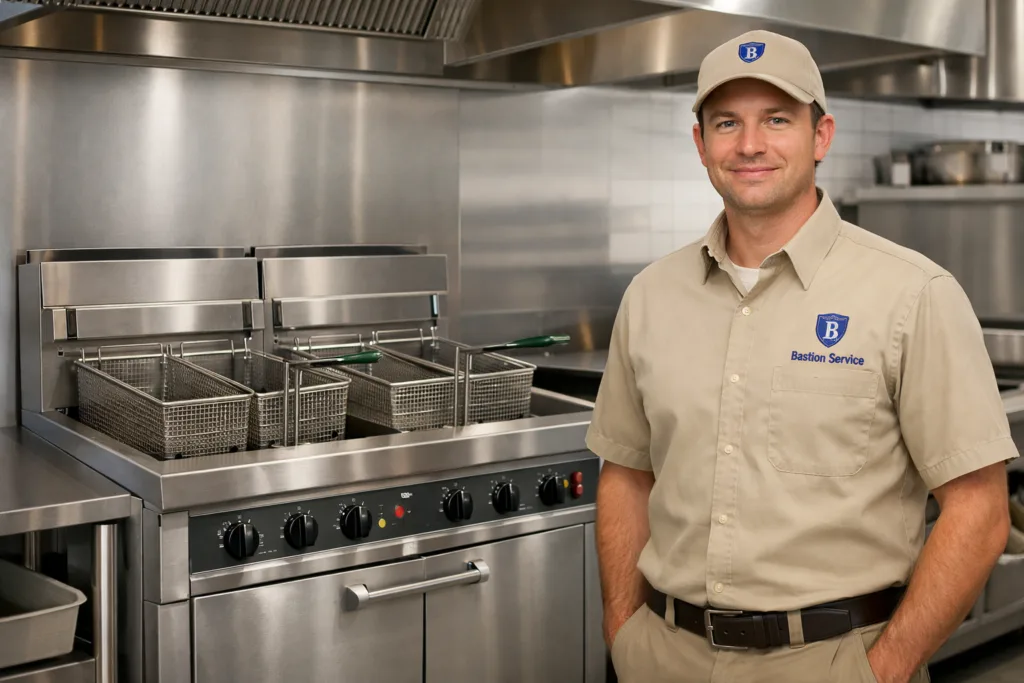




How fryer problems affect a commercial kitchen
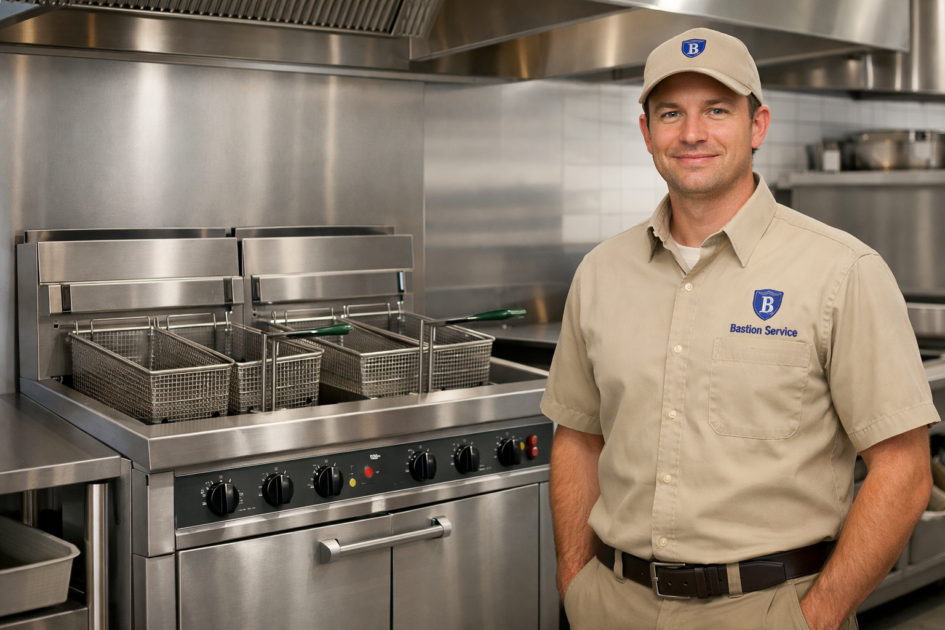
A fryer that stops heating properly can disrupt far more than one menu item. Recovery slows, ticket times stretch, oil quality declines faster, and staff begin adjusting cook times to compensate for equipment that is no longer behaving predictably. In a busy Cheviot Hills operation, even a small temperature-control issue can create waste, inconsistent product, and avoidable pressure on the rest of the line.
Related commercial equipment paths in Cheviot Hills include Frymaster Fryer Repair in Cheviot Hills and Pitco Fryer Repair in Cheviot Hills.
What makes fryer diagnosis important is that similar symptoms can come from very different causes. Slow heat-up may point to a bad heating element, weak gas ignition, a faulty high-limit, sensor drift, damaged wiring, or control-board failure. A unit that overheats may not have a fry pot problem at all; it may be reacting to inaccurate temperature feedback or a control that is no longer cycling correctly.
Common commercial fryer symptoms and what they may mean
No heat or failure to reach set temperature
If the fryer powers on but the oil never gets hot enough, the issue may involve heating components, gas flow, ignition parts, relays, thermostats, or temperature sensors. On electric units, failed elements or contactors are common causes. On gas units, ignition faults, burner issues, or valve problems often prevent proper heat output.
Slow recovery between batches
Recovery problems usually show up during busy periods, when the fryer cannot keep up with normal demand. That can indicate reduced burner performance, weak electrical heat output, sensor inaccuracies, dirty components, airflow restrictions, or controls that are no longer responding correctly. When recovery drops off, product color and texture usually become inconsistent before the unit fails completely.
Oil temperature swings
Wide fluctuations in oil temperature often point to thermostat drift, sensor failure, control-board issues, or a high-limit problem. Kitchens may notice product coming out too dark during one cycle and undercooked during the next. These swings also shorten oil life and make it harder to maintain quality across shifts.
Ignition trouble and repeated shutdowns
Gas fryers that click repeatedly, fail to light, lose pilot stability, or shut down mid-use often need prompt inspection. Ignition modules, flame sensors, gas valves, safety controls, and wiring connections can all contribute to these symptoms. Repeated resets may get the unit running temporarily, but they rarely solve the root cause.
Signs the problem may be broader than the fryer alone
Not every cooking-line complaint starts in the fryer. If staff are reporting burner weakness, preheat trouble, or temperature inconsistency on nearby cooking equipment at the same time, Commercial Oven Repair in Cheviot Hills may be the better service path for that part of the problem while the fryer is evaluated separately.
This matters in kitchens where several cooking stations share the same production strain. A fryer may appear to be the main issue simply because it affects output first, but overlapping symptoms on adjacent equipment can change the repair plan and help management prioritize downtime more effectively.
When service should be scheduled
Service is worth scheduling when the fryer does any of the following:
- Will not turn on or will not stay on
- Heats too slowly or fails to recover between loads
- Overshoots the set temperature or cycles erratically
- Shows ignition faults, pilot issues, or frequent shutdowns
- Leaks oil or shows signs of damaged fittings or seals
- Produces smoking, scorching, or uneven cooking at normal settings
These are operational issues, not minor inconveniences. They affect throughput, food consistency, labor efficiency, and the ability to keep the kitchen moving during peak demand. Delaying service can turn a single failed part into secondary damage involving controls, wiring, or safety components.
Repair versus replacement
Repair is often the better choice when the fault is limited to accessible components such as elements, thermostats, sensors, ignition parts, gas valves, relays, contactors, switches, or control assemblies, and the fryer cabinet and tank remain in good condition. A targeted repair can restore predictable performance without the expense and disruption of replacing a unit that still fits the operation.
Replacement becomes more likely when there is severe structural deterioration, repeated major failures, poor parts availability, or repair costs that no longer make sense for the age and role of the equipment. The decision should account for downtime, production impact, and whether the fryer can return to stable service rather than just run temporarily.
What a useful diagnosis should tell you
A business should come away from service with a clear understanding of what failed, how that failure affected heating or recovery, and whether continued use risks further damage or safety shutdowns. The most useful diagnosis also explains whether the unit is a good repair candidate, what parts are involved, and how the issue is likely to affect daily kitchen performance if left unresolved.
For commercial fryer repair in Cheviot Hills, that information helps operators make a practical decision quickly, whether the priority is restoring a primary fryer before peak hours, stabilizing output across a cooking line, or deciding if a troubled unit has reached the end of its useful service life.


