
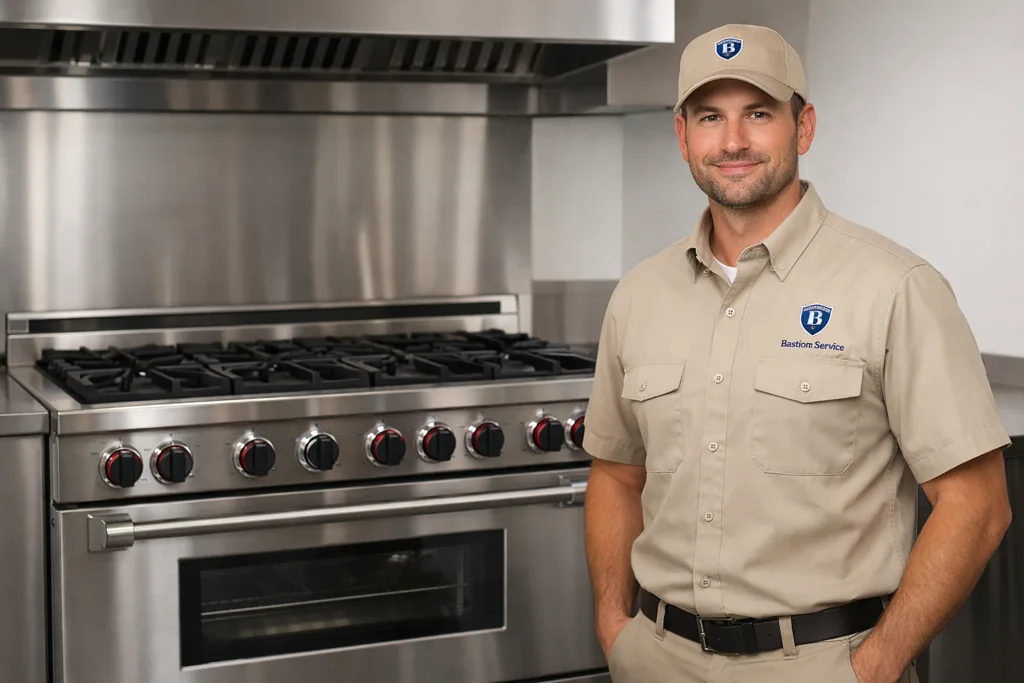




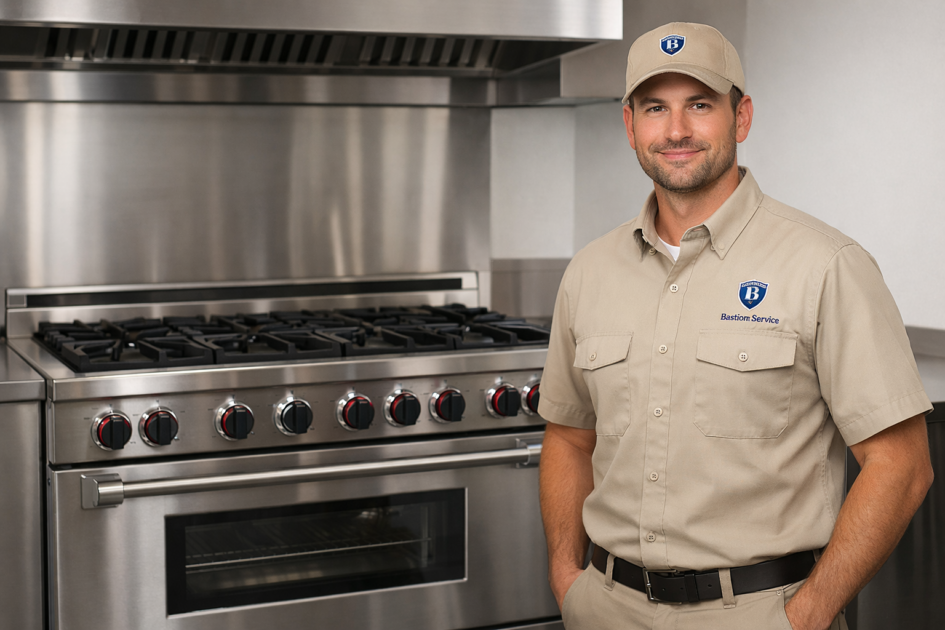
Range problems on a Wolf unit tend to show up first in day-to-day production: a burner that clicks but does not light, a flame that looks weak during rush periods, or an oven section that no longer recovers the way staff expect. For businesses in Mid-Wilshire, the right next step is service built around the exact symptom pattern, the urgency of the downtime, and whether the issue is isolated or part of broader wear. Bastion Service handles Wolf range repair by testing the affected functions, identifying the failing components, and helping operators schedule repair before a smaller problem turns into a full line interruption.
Related commercial service paths in Mid-Wilshire include Wolf Commercial Repair in Mid-Wilshire, Wolf Oven Repair in Mid-Wilshire, and Wolf Fryer Repair in Mid-Wilshire.
Common Wolf range symptoms and what they usually point to
Burners that will not light or keep clicking
If a burner clicks repeatedly without ignition, lights after a long delay, or lights only some of the time, the problem may involve the igniter, burner assembly, gas flow, moisture or debris around ignition points, or related control issues. In a busy kitchen, delayed ignition is more than an inconvenience. It slows station setup, disrupts timing, and can make heat output unpredictable from one pan to the next.
When this symptom starts appearing on more than one burner, or when it becomes worse during peak use, that usually suggests the need for prompt testing rather than trial-and-error use by staff.
Weak flame, uneven flame, or poor heat response
A Wolf range that produces a low flame, uneven burner pattern, or slow pan response may have restricted burner ports, regulator problems, contamination affecting combustion, or wear in the gas delivery and control side of the system. Operators often notice this as slower sauté times, inconsistent searing, or one section of the range performing differently from the rest.
These symptoms matter because they affect output quality even when the range still seems partly usable. If staff are changing cooking times just to compensate, the unit is already creating an operations problem.
Oven section not heating properly
On models with an oven base, heating complaints often show up as temperature swings, slow preheat, poor recovery, or uneven baking and roasting results. Depending on the model and configuration, the issue may involve the ignition system, sensor performance, thermostat or control calibration, heating components, or airflow-related problems inside the oven cavity.
What looks like a simple “not hot enough” complaint can come from several different faults, which is why a symptom-based inspection matters before parts are ordered.
Controls that feel unreliable
Loose knobs, stiff valve movement, inconsistent adjustment response, or controls that do not match the expected flame or oven setting can indicate component wear that is starting to affect safe and repeatable operation. In many kitchens, this develops gradually, so teams adapt without realizing how far performance has drifted.
Once controls stop responding consistently, repair becomes less about convenience and more about restoring predictable use across the cooking line.
Why is my Wolf range not lighting, heating, or holding temperature?
These symptoms can come from several overlapping causes rather than one obvious failure. A range that is not lighting may have an ignition fault, burner blockage, gas-supply problem, or a component alignment issue. A range that is not heating correctly may be dealing with burner contamination, regulator trouble, a worn valve, or reduced combustion efficiency. A unit that will not hold temperature in the oven section may have sensor drift, calibration issues, control faults, or a heating-system problem that only becomes obvious during longer cook cycles.
The main reason diagnosis matters is that the same symptom can lead to very different repairs. Replacing a visible part without confirming the source can add cost and still leave the original issue unresolved.
Signs the problem is affecting operations more than it appears
- Staff are avoiding certain burners because they are less reliable.
- Cook times are being adjusted manually from shift to shift.
- Product needs to be rotated to work around hot spots.
- Preheat takes longer than it used to.
- Flame output drops when the station is under heavier use.
- Ignition problems are intermittent but becoming more frequent.
- Operators describe the unit as “temperamental” or “inconsistent.”
When a range reaches this stage, the issue is already affecting labor, quality control, and service flow. Even if the unit still runs, it is no longer supporting consistent production the way it should.
When to schedule Wolf range repair in Mid-Wilshire
Service is worth scheduling when ignition changes suddenly, burner output becomes uneven, the oven section stops recovering normally, or staff begin creating workarounds to keep production moving. Intermittent faults also deserve attention. A burner that fails only sometimes or an oven that drifts only on longer cycles often points to a problem that is already developing toward a more disruptive breakdown.
For businesses in Mid-Wilshire, earlier service often means a more manageable repair window. Waiting until the range fails completely can create broader production issues, especially when the unit supports core menu items or prep volume.
When continued use can make the problem worse
Running a range with unstable ignition, unreliable flame, or major temperature drift can increase wear on surrounding components and make the original fault harder to isolate. Repeated failed ignition attempts may stress ignition parts. Uneven combustion can create performance and safety concerns. Controls that are already wearing out may deteriorate faster when staff have to force or overcorrect them during every shift.
If there is a persistent gas smell, stop using the unit and address the safety issue first. Appliance repair should come after the immediate gas concern has been handled appropriately.
What a productive service visit should accomplish
A useful repair appointment should do more than confirm that the range has a problem. It should identify which section is failing, explain whether the issue is isolated or part of a larger wear pattern, and clarify how the fault affects reliability under normal kitchen load. That information helps managers decide whether to proceed with repair now, plan around a short disruption, or evaluate whether the unit is entering a stage of repeated breakdowns.
For Wolf range equipment, the goal is to restore stable ignition, consistent heat, accurate control response, and dependable cooking performance rather than just getting the appliance to turn back on.
Repair or replacement: how businesses usually decide
Many Wolf range issues are repairable when the problem is limited to burners, igniters, sensors, valves, controls, or other serviceable parts. Repair is often the better choice when the rest of the unit is structurally sound and the expected result is a reliable return to service.
Replacement becomes a more serious consideration when there are several major failures at once, repeated service history on the same unit, or signs that overall wear is affecting multiple critical functions. The decision is usually less about one part failing and more about whether the range can return to stable operation without becoming an ongoing source of downtime.
Preparing for service helps speed the diagnosis
Before the appointment, it helps to note which burners are affected, whether the issue appears only during certain shifts, how long the problem has been happening, and whether staff have noticed clicking, delayed ignition, weak flame, slow preheat, or temperature inconsistency. If the range has an oven section, examples of undercooked, overcooked, or uneven results can also help narrow the fault.
Specific symptom history often makes the service call more efficient because it points the inspection toward actual operating conditions instead of a vague report that the unit is “not working right.”
When a Wolf range starts interrupting prep, slowing ticket flow, or producing inconsistent heat in Mid-Wilshire, the practical move is to schedule service before the issue spreads into a larger operational problem. A focused diagnosis, realistic repair plan, and timely scheduling can help restore reliable performance and reduce avoidable downtime for the kitchen.


