
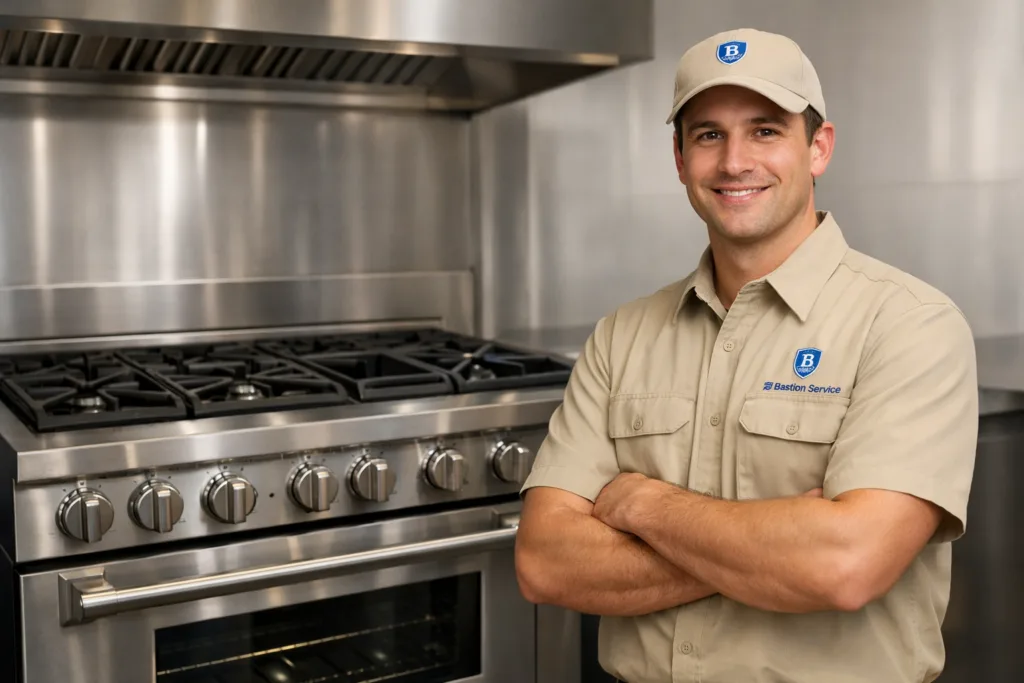




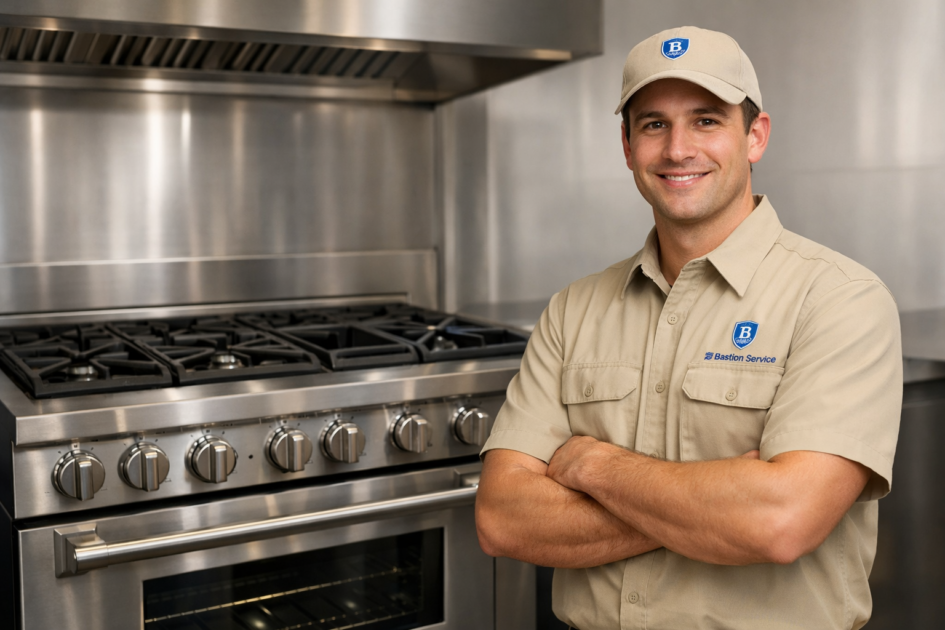
Range trouble can disrupt prep timing, ticket flow, and food consistency fast, especially when burners stop responding the same way from one shift to the next. For businesses in El Segundo, service is usually most effective when the problem is checked by symptom, tested under normal operating conditions, and narrowed down before parts are replaced. Bastion Service handles Wolf range repair with that service-first approach so managers can make repair decisions based on what is actually failing, how urgently it affects operations, and whether the unit can remain in use while scheduling is arranged.
Related commercial service paths in El Segundo include Wolf Commercial Repair in El Segundo, Wolf Oven Repair in El Segundo, and Wolf Fryer Repair in El Segundo.
Why ignition, heat, and temperature problems need prompt attention
A range does not have to be fully down to create serious operating issues. A burner that lights late, an oven that runs cool, or controls that respond inconsistently can slow production long before a complete shutdown happens. In kitchens that rely on steady burner output and accurate oven performance, small changes in operation often lead to larger workflow problems over time.
Prompt service helps determine whether the issue is isolated to an igniter, sensor, valve, switch, control component, or another related part. It also helps reduce the risk of staff working around the problem by avoiding certain burners, adjusting cook times manually, or compensating for poor heat recovery in ways that affect results and put added stress on the equipment.
Common Wolf range symptoms and what they may indicate
Burners that do not light reliably
If a burner clicks but does not light, lights only after repeated attempts, or fails intermittently, the cause may involve the igniter, electrode positioning, ignition wiring, switch issues, moisture, or restricted gas flow. Intermittent ignition is easy to dismiss at first, but it often becomes more disruptive during busy production periods when consistent starts matter most.
Clicking that continues after ignition
Repeated clicking after a flame is established can point to ignition system faults, alignment problems, contamination around components, or electrical issues affecting the spark system. Besides being distracting, this symptom may indicate that the ignition sequence is not operating as intended and should be evaluated before it leads to broader failure.
Weak, uneven, or unstable burner flame
When flame strength drops, burns unevenly, or varies from burner to burner, the issue may be related to clogged burner ports, regulator concerns, valve wear, gas supply irregularities, or damaged burner components. Weak flame output affects pan performance, heat recovery, and consistency across stations, especially when staff depend on specific burners for repeatable results.
Oven not heating properly
If the oven takes too long to preheat, does not reach the set temperature, or cycles unpredictably, several systems may be involved. Common causes include sensor drift, thermostat or control faults, ignition problems, burner issues, or component wear that changes how the cavity maintains heat. Accurate testing matters because the same complaint can come from very different failures.
Temperature swings during cooking
Noticeable overheating, underheating, or inconsistent cooking results from one batch to the next often suggest a control or sensing issue rather than a simple adjustment problem. When temperature stability is off, kitchens may see uneven browning, longer cook times, and unreliable output during peak periods. These are usually signs that service should be scheduled before quality and timing are affected further.
Controls or knobs not responding normally
Unresponsive controls, inconsistent cycling, fault behavior, or settings that do not match actual performance can stem from worn switches, failing control components, damaged wiring, or heat-related electrical stress. These issues often develop gradually, which makes them easy to work around for a while, but they rarely improve on their own.
What technicians look for during diagnosis
Good range service is not just about matching a symptom to the most common part. Diagnosis usually includes confirming the complaint, checking ignition response, observing flame quality, verifying temperature behavior, testing key electrical and gas-related components, and inspecting for wear that may be contributing to the failure. This helps separate the main fault from secondary symptoms.
That process is especially important on Wolf equipment because ignition trouble, poor heating, and control issues can overlap. A burner that appears to have a gas problem may actually be dealing with ignition component failure. An oven that seems slow to heat may be affected by sensing or control problems. Pinpointing the fault path first helps avoid unnecessary repeat visits and unnecessary parts replacement.
Signs the range should not stay in regular use
Some symptoms should be treated as service priorities rather than inconveniences. These include:
- Repeated failed ignition attempts
- Delayed lighting or abnormal burner behavior
- Burners that will not maintain stable output
- Oven temperatures that drift far from the setting
- Controls that stop responding during operation
- Performance changes that are getting worse week to week
Continued use in these conditions can increase wear on related components and make the eventual repair more involved. It can also create avoidable disruptions in daily kitchen workflow when the unit becomes less predictable under load.
Repair decisions based on symptoms, condition, and downtime risk
Not every range problem points to replacement. Many issues remain repairable when the fault is limited to ignition parts, burner components, sensors, valves, switches, or control-related failures and the rest of the unit is still in solid working condition. A service visit should help clarify whether the problem is isolated, whether multiple systems are starting to fail, and how likely the unit is to create additional downtime if left in service.
Replacement becomes a more serious consideration when repair history is already heavy, several major systems show wear at once, or the cost of ongoing failures starts interfering with operations more than a planned equipment change would. The important part is making that decision from the actual condition of the range rather than from a single symptom by itself.
How businesses in El Segundo can prepare for a service visit
Before repair is scheduled, it helps to note exactly what the range is doing and when the issue appears. Useful details include whether the problem affects burners, the oven, or both; whether the failure is constant or intermittent; whether clicking continues after ignition; whether temperature problems happen during preheat or while cooking; and whether staff have noticed changes in flame strength or response time.
That information can help speed diagnosis and reduce back-and-forth on recurring symptoms. If the range remains partially usable, it is also helpful to identify which functions still perform normally and which ones are creating production problems.
Service-focused next steps for Wolf range problems
When a Wolf range starts missing ignition, losing heat, or failing to hold temperature, the best next step is to schedule repair before the issue turns into a full outage during production. For businesses in El Segundo, timely diagnosis can help protect uptime, reduce disruption, and determine whether the repair is straightforward or part of a larger equipment decision. If the unit is showing burner trouble, uneven oven performance, repeated clicking, or control faults, service should be arranged based on the symptom pattern and the impact on daily operations.


