




Performance problems in a Wolf cooking appliance rarely have a one-size-fits-all cause. A burner that clicks nonstop, an oven that runs cool, or a wall oven that shuts off mid-cycle can come from very different failures, even when the symptoms sound similar at first. For homeowners in Hermosa Beach, the most useful way to think about repair is by separating ignition issues, heating issues, control issues, and power-related issues before deciding what to do next.
For specific Wolf appliance paths in Hermosa Beach, review Wolf Oven Repair in Hermosa Beach, Wolf Wall Oven Repair in Hermosa Beach, and Wolf Range Repair in Hermosa Beach.
Start with the symptom pattern, not the appliance label
Cooktops, ovens, ranges, and wall ovens all have their own common trouble spots, but the real clue is usually how the problem behaves in daily use. Does it happen every time, only after the appliance heats up, or only on one function? Does one burner fail while the others work normally? Does the oven eventually preheat, but much more slowly than before? Those details help narrow whether the problem is likely tied to an igniter, sensor, heating element, control, switch, wiring connection, or another component.
That is especially important with premium appliances. Wolf units are designed for strong cooking performance, so when results change noticeably, there is usually a specific reason. Guessing based on a general complaint can lead to replacing the wrong part or overlooking a larger issue that is affecting reliability.
Common problems across Wolf cooking appliances
Cooktop ignition and burner issues
Wolf cooktops often show trouble through ignition behavior and flame quality. One burner may not light, all burners may click longer than normal, or the spark may continue after ignition. In some cases, the cause is relatively simple, such as moisture, debris, or burner cap misalignment. In other cases, the issue points to a worn igniter, a faulty switch, or a problem in the ignition circuit.
On gas models, weak or uneven flame can also suggest blocked burner ports, gas flow issues, or parts that are no longer distributing flame correctly. If the problem is limited to one burner, the repair path is often more focused than when several burners begin acting up at once.
Oven heating and temperature complaints
Wolf oven problems commonly show up as slow preheating, uneven baking, poor browning, error displays, or a unit that powers on but does not reach the selected temperature. These symptoms can be caused by a failing igniter, a weak bake or broil component, a temperature sensor reading incorrectly, or an electronic control issue that affects how heat cycles on and off.
Uneven results do not always mean the entire oven is failing. If one rack cooks much faster than another, or food is consistently underdone despite long cook times, the problem may be related to heat regulation or airflow rather than a total loss of function.
Range issues involving multiple systems
A Wolf range combines surface cooking and oven operation in one appliance, which can make diagnosis more involved. You may have strong burner performance but a weak oven, or a fully functional oven with one burner that misfires. Intermittent power loss, control problems, burner clicking, and temperature inconsistency are all common concerns because several systems share the same appliance footprint.
When a range issue seems inconsistent, it helps to note whether the failure appears during preheat, during long cooking cycles, or only on certain settings. Heat-sensitive failures often behave differently from constant failures, and that distinction can make troubleshooting much more accurate.
Wall oven faults that affect everyday use
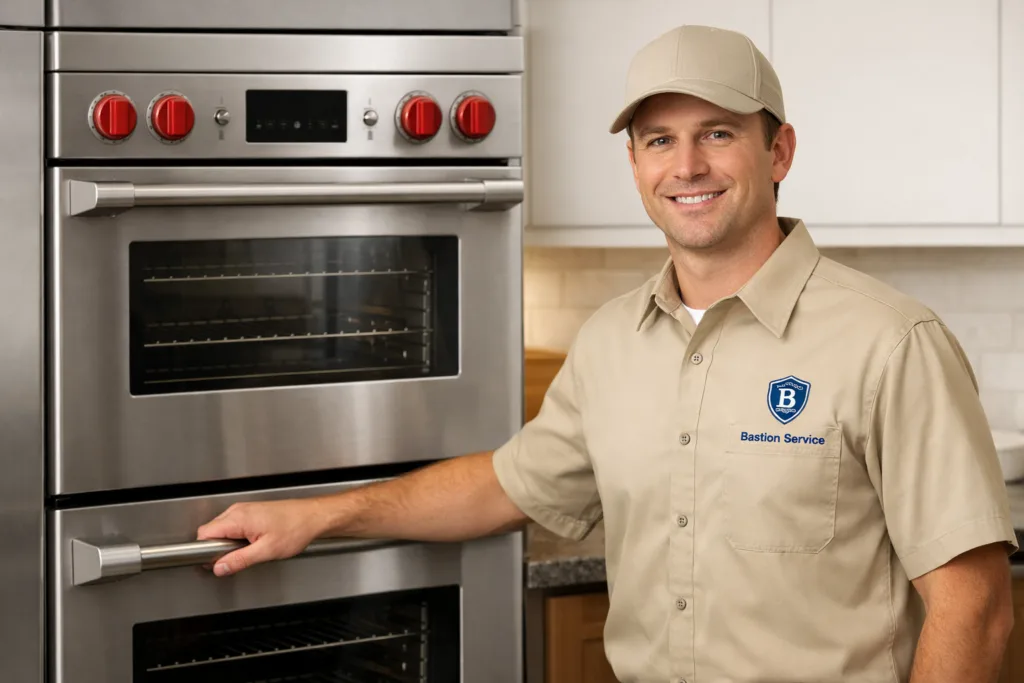
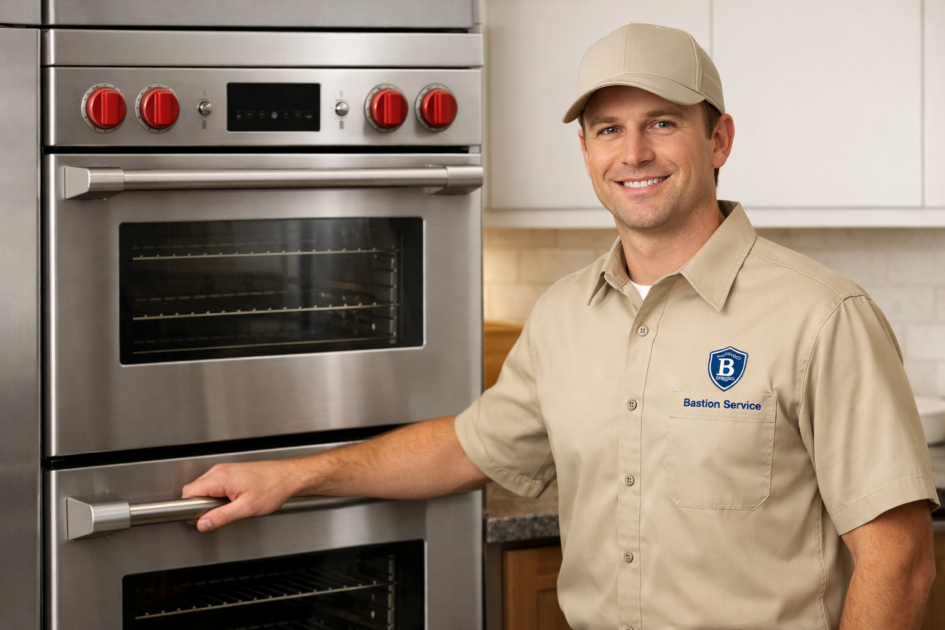
Wolf wall ovens often develop problems related to temperature control, displays, door operation, self-clean functions, or mid-cycle shutoffs. Because wall ovens are built into cabinetry, access, ventilation, and surrounding heat can all influence long-term wear. A wall oven that stops heating properly may have a sensor or control issue, but it can also be dealing with latch, door seal, or power-supply problems that only show up under load.
Intermittent wall oven problems are easy to postpone because the appliance may still work some of the time. In practice, those are often the most disruptive issues for a household because you cannot count on consistent performance when you need it.
What specific symptoms often mean
Looking at symptoms in groups is usually more helpful than focusing on a single event.
- Repeated clicking or delayed ignition: often tied to spark ignition parts, burner alignment, switch faults, or moisture and residue affecting ignition performance.
- Slow preheat: may indicate a weak igniter, underperforming heating component, sensor problem, or control issue.
- Uneven cooking: can point to temperature regulation problems, airflow issues, failing heating components, or a compromised door seal.
- Dead display or intermittent power: may involve wiring, control boards, interface problems, or power supply faults.
- Error codes that keep returning: usually mean the appliance is detecting an operating problem that needs testing rather than guesswork.
- Shutoff during use: often suggests heat-related electrical failure, control instability, or a safety-related interruption that should not be ignored.
How Hermosa Beach conditions can affect appliance wear
In Hermosa Beach homes, cooking appliances often deal with a mix of daily use, kitchen moisture, airborne grease, and coastal salt exposure over time. Those conditions can contribute to corrosion on contacts, wear in switches, buildup around ignition components, and gradual decline in electrical connections. The effect is not always dramatic at first. More often, it appears as intermittent burner lighting, unreliable controls, or heating that slowly becomes less consistent.
That is one reason symptom-based diagnosis matters so much. A problem that appears minor on the surface may be related to parts that have been deteriorating for a while, especially in appliances exposed to years of heat and kitchen humidity.
Signs you should stop waiting and schedule service
Some issues move beyond inconvenience quickly. It makes sense to prioritize service when you notice:
- burners that do not ignite reliably
- continuous clicking after flame appears
- an oven that takes much longer than normal to preheat
- temperature swings that affect cooking results
- recurring error messages
- intermittent loss of power
- a wall oven or range oven shutting off during operation
- breaker trips associated with appliance use
Continued use under those conditions can make a repair more involved. A weak igniter may stop working completely, unstable electrical connections can worsen under heat, and control-related faults often become less predictable over time.
Repair versus replacement for Wolf appliances
Many Wolf appliances are good repair candidates when the unit is otherwise in solid condition and the problem is limited to a serviceable component. That is often true for ignition failures, sensor problems, certain control issues, and many isolated heating complaints. If the appliance has performed well overall and the current fault is clearly defined, repair may be the more sensible choice.
Replacement becomes a more serious consideration when there are several major failures at once, repeated breakdowns affecting different systems, severe physical deterioration, or repair costs that no longer align with the remaining value of the appliance. The better decision usually comes from the actual condition of the unit and its recent symptom history, not from age alone.
What helps homeowners make a better repair decision
Before scheduling service, it helps to note exactly what the appliance is doing. Useful details include whether the problem affects one burner or several, whether the oven reaches temperature eventually, whether error codes repeat, and whether the issue appears only after the appliance has been running for a while. That kind of symptom history often speeds up diagnosis and helps clarify whether the problem is isolated or part of a broader reliability issue.
For households in Hermosa Beach, the goal is not just getting the appliance to work once. It is restoring predictable day-to-day cooking performance. Whether the issue involves a cooktop, oven, range, or wall oven, the best next step is usually based on how the appliance fails, how often it fails, and whether continued use could lead to more disruption or added damage.


