
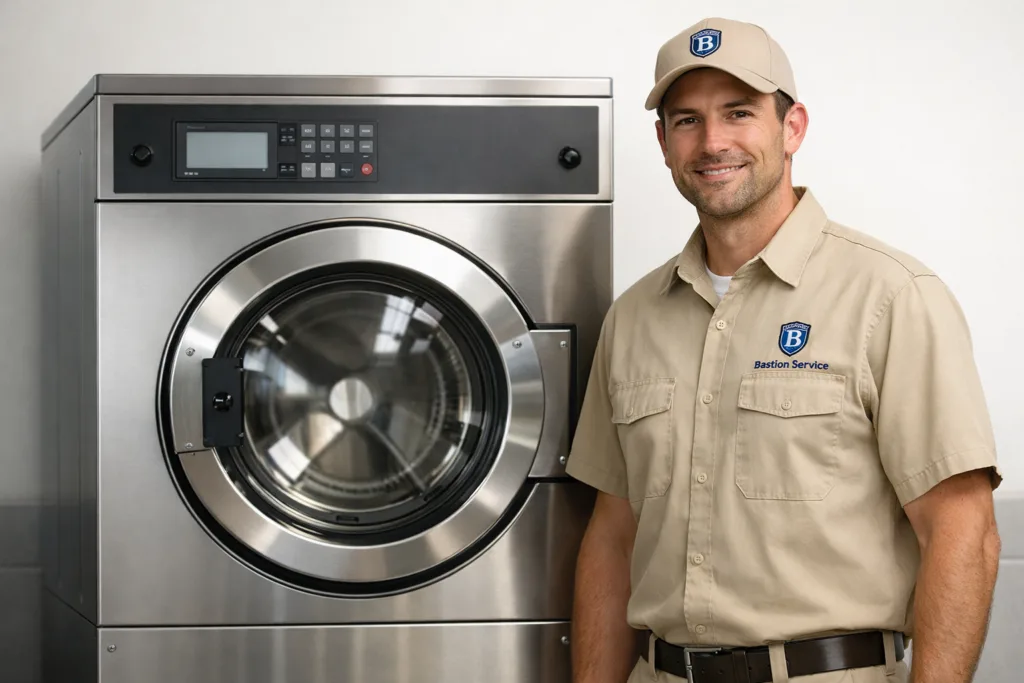




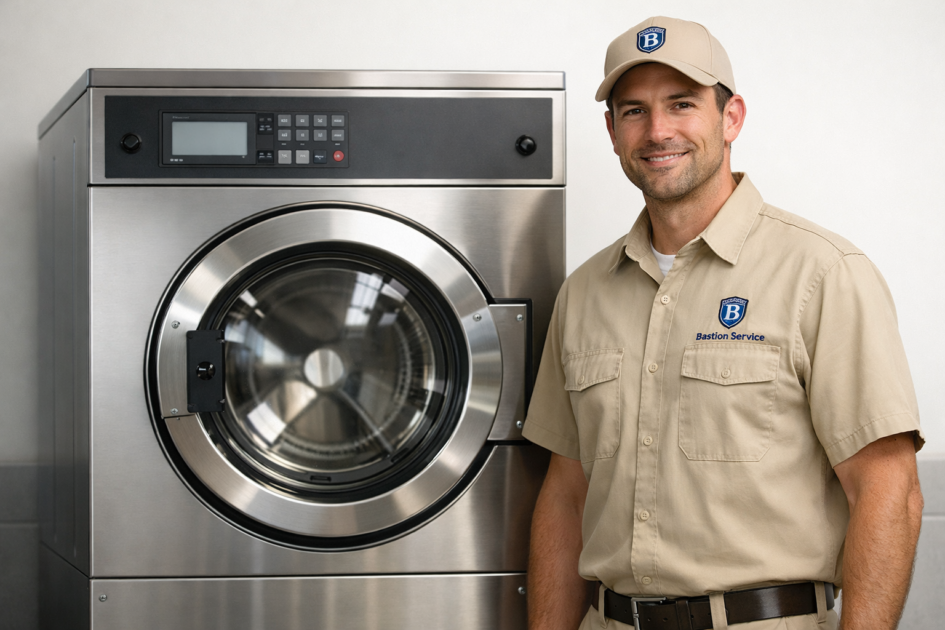
Equipment trouble can disrupt the entire laundry workflow, from intake and wash timing to drying capacity and staff scheduling. For businesses in Palms, the priority is usually not just fixing one machine, but restoring stable operation across the room with a repair plan that matches the actual symptom, the condition of the unit, and the urgency of the downtime. Bastion Service provides Wascomat repair support with diagnosis, scheduling, and next-step recommendations based on how the equipment is performing now.
For specific equipment paths in Palms, review Wascomat Washer Repair in Palms, Wascomat Dryer Repair in Palms, and Commercial Appliance Repair in Palms.
Washer and dryer symptoms that commonly lead to repair
Wascomat laundry equipment often shows a pattern before it reaches a complete failure. Operators may notice longer cycle times, inconsistent results, unusual sounds, water where it should not be, repeated interruptions, or machines that appear to run but do not finish the job correctly. Those symptoms can come from different underlying causes, so service decisions are best made after the machine is evaluated rather than by replacing parts based on guesswork alone.
- Washers that do not fill, drain, spin, or complete cycles normally
- Dryers with no heat, weak heat, overheating, or long dry times
- Units that stop mid-cycle or restart unpredictably
- Leaks, vibration, grinding, banging, or burning odors
- Error codes or controls that do not respond consistently
Wascomat washer problems
Washer issues usually show up first as poor cycle performance or unreliable extraction. A machine may start slowly, stop before draining, fail to lock properly, leave loads too wet, or shake harder than normal during spin. In a busy laundry setting, even one washer with these problems can delay sorting, slow turnover, and push extra volume onto the remaining equipment.
Not filling or filling incorrectly
If a washer is not taking in enough water, overfilling, or filling at the wrong stage of the cycle, the problem may involve inlet valves, pressure sensing, control issues, or water-flow restrictions. Staff may notice incomplete washing, repeated starts, or cycles that never progress as expected.
Not draining or not reaching full spin
A washer that holds water or fails to extract properly can create immediate bottlenecks because loads leave the machine too heavy and too wet for normal drying. Drain pumps, drain path restrictions, control faults, or spin-related mechanical issues can all produce similar symptoms. Continued use may also increase stress on other parts if the machine keeps attempting to rebalance or restart.
Leaks, vibration, and unusual noise
Water on the floor, loud bearing-type noise, banging during spin, or movement that seems more aggressive than normal should be taken seriously. These signs can point to wear in support components, hose or seal problems, imbalance conditions, or other mechanical faults. In business settings, that can mean not only downtime but also cleanup, slip concerns, and added wear on nearby equipment.
Wascomat dryer problems
Dryer trouble often becomes obvious when loads begin taking longer to finish or come out unevenly dried. What looks like a simple heat complaint may actually involve airflow, controls, sensors, drive components, or electrical faults. Because drying delays affect washer throughput too, dryer diagnosis is often a high-priority service call for Palms businesses trying to keep laundry moving on schedule.
No heat, low heat, or overheating
If the dryer runs but does not produce proper heat, or if it gets too hot and shuts down, the issue may be tied to heating components, safety devices, sensing problems, airflow limitations, or control failure. Underheating leads to long dry times and repeated cycles. Overheating can create a more urgent equipment condition and should not be ignored.
Long dry times and poor airflow symptoms
When drying times stretch beyond normal, operators may see loads cycling multiple times, increased energy use, and backups across the room. Restricted airflow, sensor problems, heat performance issues, or a combination of smaller faults can all cause the same result: slower output and less predictable turnover.
Drum noise, shutdowns, and burnt smells
Squealing, scraping, thumping, or a dryer that stops unexpectedly may indicate wear in moving parts or an electrical or control problem affecting operation. A burning odor is especially important to address quickly because it can signal overheating or component distress that should be checked before the unit is returned to regular use.
Why the same symptom can have different causes
Laundry equipment does not always fail in a straightforward way. A washer that will not spin may actually be dealing with a drain problem. A dryer with long run times may have heat, sensor, or airflow issues rather than one obvious failed part. Error codes can help narrow the direction of testing, but they do not always identify the full reason the machine is underperforming. That is why symptom-based diagnosis matters: it helps determine what failed, what related parts may also be affected, and whether the machine should stay in service while repair is planned.
Signs the machine should be taken offline
Some problems allow limited operation until service is scheduled, while others suggest the unit should be shut down to avoid more damage. Businesses in Palms should be especially cautious when equipment shows:
- Persistent leaking
- Strong burning or scorched odors
- Repeated breaker trips or loss of power during use
- Severe vibration or walking during spin
- Grinding, metal-on-metal, or high-pitched mechanical noise
- Overheating or repeated emergency shutoff behavior
When these symptoms are present, continued use can turn a contained repair into a larger outage with added parts, more labor, and more interruption to daily operations.
Repair planning around downtime and equipment condition
Service decisions are not only about what part failed. They also depend on how heavily the machine is used, whether the issue appears isolated or part of a broader wear pattern, and how urgently the business needs the unit back. In many cases, the best path is targeted repair after the fault is confirmed. In others, repeated failures, multiple worn systems, or severe mechanical deterioration may change the conversation toward whether further repair makes operational sense.
That planning matters for laundromats, shared laundry rooms, hotels, and other businesses in Palms where equipment availability directly affects customer flow, staff workload, and turnaround times. A well-timed repair visit can help reduce unnecessary idle time while setting realistic expectations for parts and return-to-service timing.
When to schedule Wascomat laundry equipment service
It is usually worth scheduling service as soon as operators notice changes in cycle behavior, drying performance, noise level, drainage, vibration, or control response. Waiting for a complete shutdown often creates more disruption than addressing the issue while the symptom is still limited. Early attention can also help determine whether the machine can remain in partial use or should be removed from operation until repairs are completed.
If your Wascomat washer or dryer in Palms is leaking, draining poorly, vibrating, losing heat, stopping mid-cycle, or taking too long to finish loads, the next step is to arrange a diagnosis and review the repair options based on current symptoms and downtime pressure. That helps protect throughput, prevent avoidable damage, and move the equipment back toward reliable daily use.


