
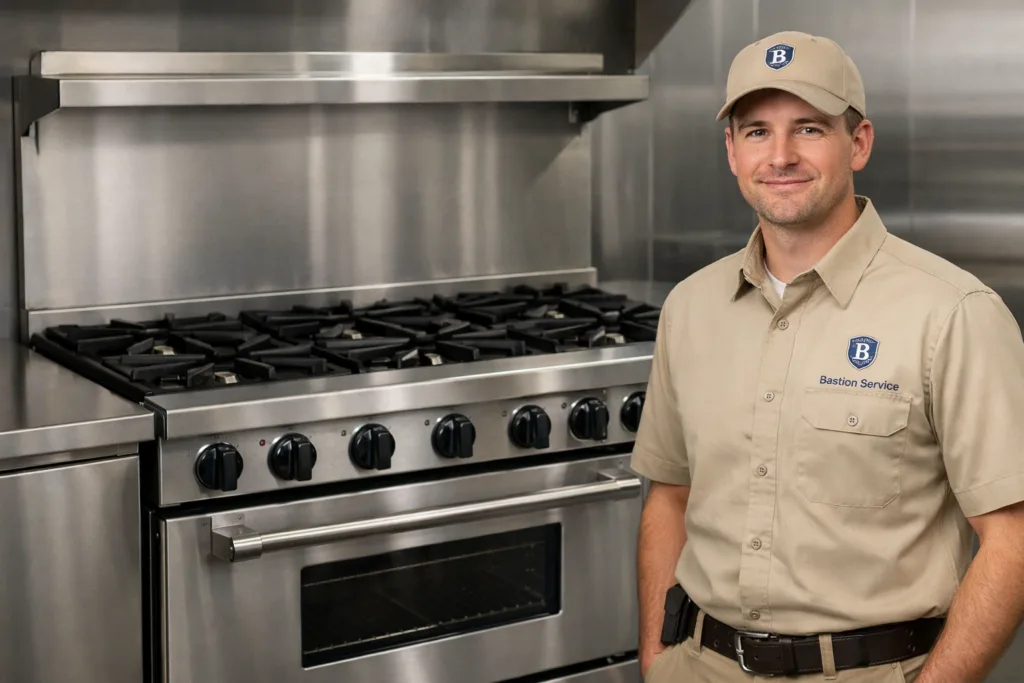




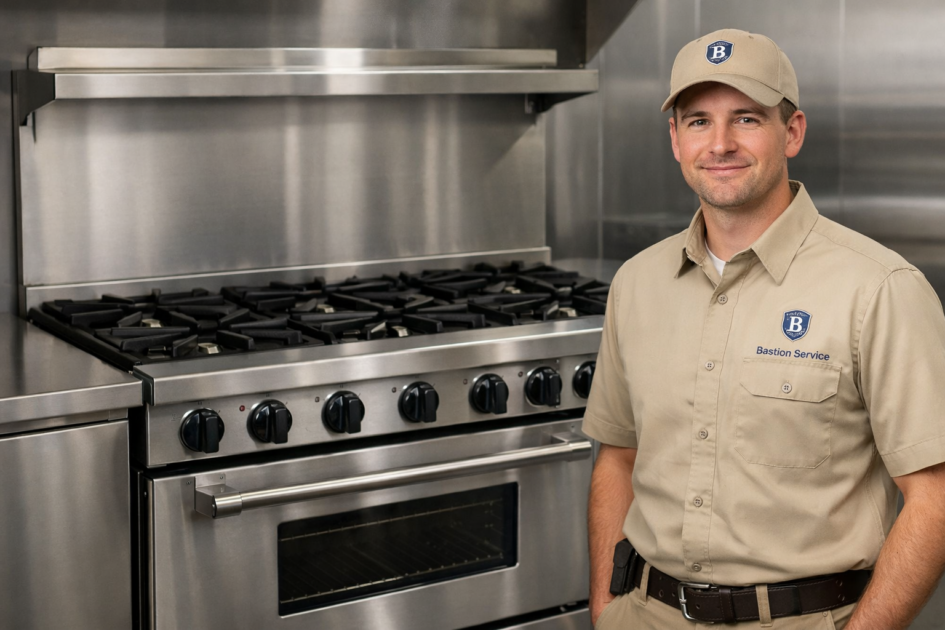
Range problems can slow prep, disrupt line timing, and make it harder for a kitchen to hold consistent output during busy service. When a Vulcan unit begins showing ignition trouble, uneven burner performance, temperature drift, or intermittent shutdown, the best next step is service based on the actual symptom pattern rather than trial-and-error part replacement. For businesses in Cheviot Hills, that means scheduling repair with enough detail about what the range is doing, when the problem appears, and whether the issue affects burners, the oven, or both.
Related commercial service paths in Cheviot Hills include Vulcan Commercial Repair in Cheviot Hills, Vulcan Oven Repair in Cheviot Hills, and Vulcan Fryer Repair in Cheviot Hills.
What failing range performance usually looks like in daily kitchen use
Not every range issue starts as a full breakdown. Many service calls begin with smaller warning signs: a burner that takes longer to light, an oven that needs more time to recover, a section that runs hotter than the dial suggests, or controls that no longer respond consistently. These problems can be easy to work around for a shift or two, but they often point to wear in ignition components, gas delivery parts, control systems, thermostatic regulation, or electrical connections.
In a busy kitchen, those symptoms affect more than the appliance itself. Staff may shift pans to stronger burners, change cook times to compensate for low heat, or avoid using the oven cavity because results are inconsistent. That kind of workaround can reduce throughput and make food quality harder to control.
Why a Vulcan range may stop lighting, heating, or holding temperature
Ignition failures and delayed lighting
If a burner clicks without lighting, lights only after repeated attempts, or fails intermittently, the problem may involve the igniter, burner assembly, switch, wiring, or gas flow to that section of the range. Delayed ignition should be checked promptly because it can become less predictable with continued use. In some cases, the issue appears only after the unit has been running for a while, which is helpful information to share when booking service.
Burners with weak, uneven, or unstable flame
When the flame looks low, irregular, or inconsistent from one burner to another, likely causes include clogged burner ports, restricted gas flow, valve issues, pressure-related problems, or wear in fuel-delivery components. Kitchens often notice this first as slower boil times, uneven pan heating, or stations that no longer perform the same way across the range top.
Oven cavities that run too hot, too cool, or swing in temperature
An oven that will not reach set temperature, overshoots, or cycles erratically may have trouble with the thermostat, sensor, ignition sequence, gas control, or internal heating performance. Temperature instability can affect baking, roasting, finishing, and holding patterns, especially when the kitchen depends on repeatable results. If the oven recovers slowly after the door opens, that can also indicate a control or heat-delivery problem worth diagnosing before service quality slips further.
Intermittent operation during service
Some of the harder range problems show up only under load. A unit may operate normally at startup, then begin losing heat, shutting down, or failing to relight after it has been on for some time. Heat-related electrical issues, worn switches, loose connections, failing controls, and degrading ignition parts can all create this pattern. These complaints are often easier to diagnose when the kitchen can describe when the failure occurs and how long the unit had been running.
Symptoms that usually mean it is time to schedule repair
Service should be scheduled when staff are compensating for the equipment instead of trusting it. Common examples include:
- Burners that need repeated attempts to light
- Clicking that continues without normal ignition
- Flames that look uneven or weaker than usual
- Burners that drop out during use
- Oven temperatures that no longer match settings
- Longer preheat or slower recovery times
- Controls that feel inconsistent or unresponsive
- Sections of the range staff avoid because performance is unreliable
These are not just minor nuisances. They usually indicate that one or more operating systems are drifting out of normal performance, and continued use can make the repair larger or harder to predict.
How diagnosis helps separate a single fault from a broader equipment problem
The same visible symptom can come from several different causes. A burner that will not light may involve ignition hardware, gas delivery, a control issue, or contamination in the burner assembly. An oven that seems cold may actually be cycling improperly, misreading temperature, or losing heat due to another failing part. That is why useful range service starts with symptom review, operating checks, and testing tied to the affected system.
For businesses in Cheviot Hills, that approach helps answer practical questions: Is the problem isolated? Has wear spread into multiple systems? Is the unit likely to return to stable operation with targeted repair, or is the range showing signs of broader decline? Bastion Service uses that diagnosis-first process to help kitchens make repair decisions based on function, downtime risk, and overall equipment condition.
Repair or replacement: what makes the most sense
Many Vulcan range problems are repairable when the fault is specific and the rest of the unit remains structurally sound. Replacing a failed ignition component, worn control, thermostat-related part, valve, or burner component can be the sensible option when the range has otherwise been performing well.
Replacement becomes more likely when the unit has a long pattern of recurring failures, multiple systems are deteriorating at the same time, or the range no longer supports reliable kitchen operations even after recent service. A good evaluation looks at age, wear, repair history, parts condition, and whether the current issue is an isolated event or part of repeated instability.
What to have ready when booking service
A little preparation can make the service visit more efficient. Before scheduling, it helps to note:
- Whether the issue affects top burners, the oven, or both
- If the problem is constant or only appears intermittently
- Whether ignition fails at startup or after the unit heats up
- If the flame is weak, uneven, noisy, or unstable
- How far off the oven temperature seems during use
- Any recent changes in preheat time, recovery, or control response
Those details can shorten the path from symptom review to repair planning, especially when the failure pattern is inconsistent.
Service-focused support for kitchens in Cheviot Hills
When a Vulcan range starts interfering with production, the priority is to identify the failing system, determine whether repair is the right move, and schedule service before the problem causes a more serious interruption. For kitchens in Cheviot Hills, the most useful next step is a repair visit focused on the exact symptoms the staff is seeing so the range can be evaluated for safe operation, performance recovery, and the most practical path back into regular use.


