
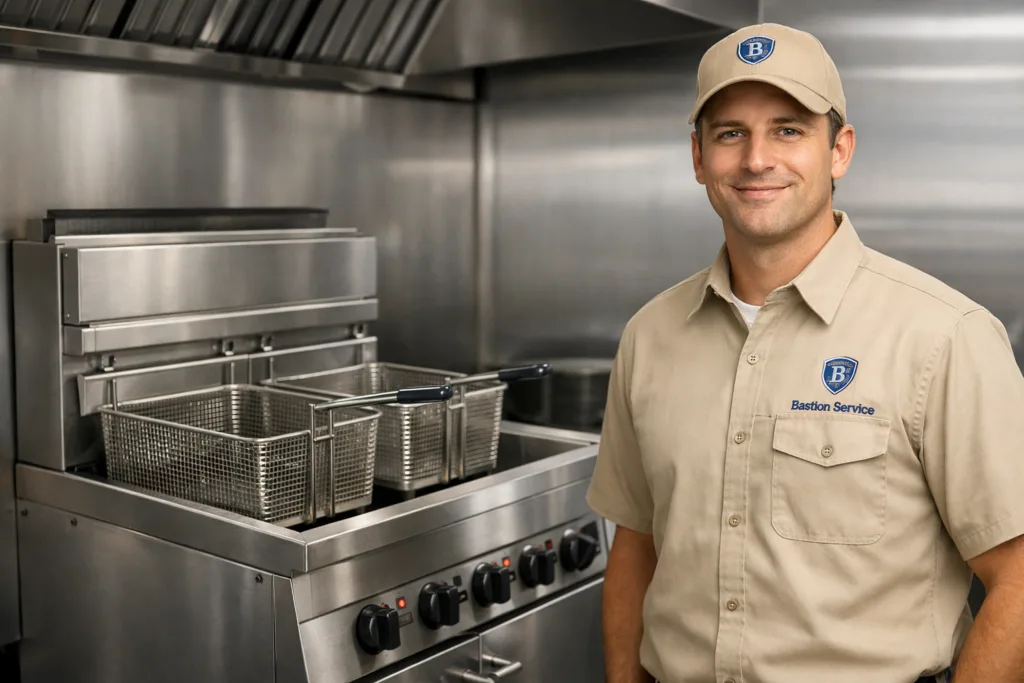




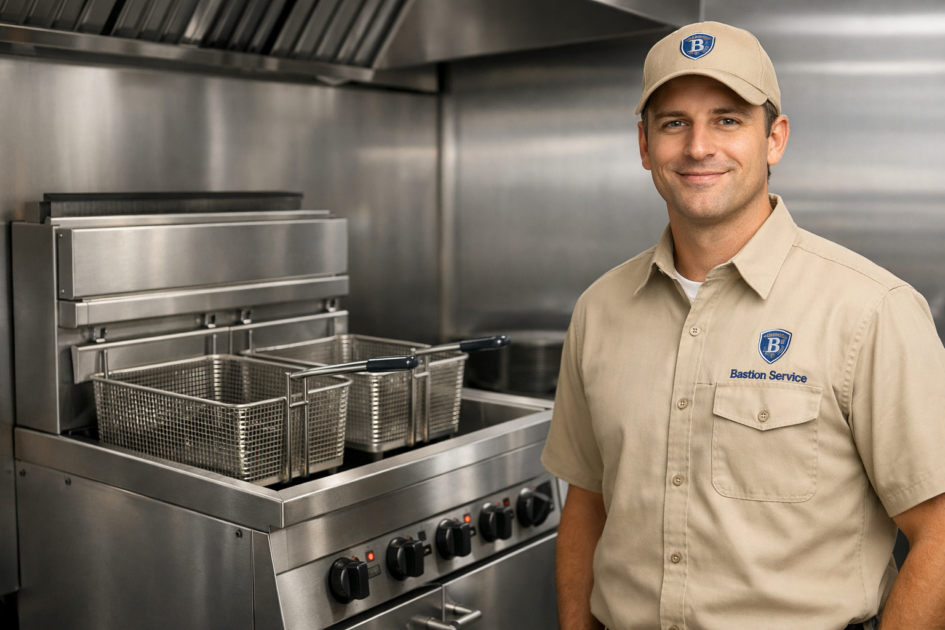
Fryer problems tend to escalate quickly during a busy shift, especially when heat-up times slow down, oil temperature drifts, or the unit drops out in the middle of production. For businesses in Mar Vista, the most useful service approach is one that ties the symptom to the failed component, explains the downtime risk, and helps management decide whether to schedule immediate repair, temporary shutdown, or a broader equipment review.
Related commercial service paths in Mar Vista include Vulcan Commercial Repair in Mar Vista, Commercial Fryer Repair in Mar Vista, and Vulcan Oven Repair in Mar Vista.
Bastion Service works on Vulcan fryer issues that interfere with daily kitchen output, including no-heat conditions, ignition faults, erratic temperature control, slow recovery, leaks, and shutdowns tied to safety circuits or controls. The goal is to identify what is actually failing so the repair plan matches the condition of the fryer and the demands of the kitchen.
Common Vulcan Fryer Problems Seen in Mar Vista Kitchens
Not heating or not recovering between batches
When a fryer will not heat at all, heats inconsistently, or struggles to recover after each drop, the cause may involve the temperature probe, thermostat function, high-limit circuit, ignition components, gas valve, electric heating elements, contactors, or the main control system. In day-to-day operation, slow recovery often shows up first as longer ticket times, lighter output, and inconsistent results from one basket to the next.
This symptom matters because staff often compensate without realizing how much performance has dropped. If teams are waiting longer between loads, reducing batch sizes, or adjusting cook times to get acceptable color, the fryer is already affecting production.
Oil temperature swings and uneven product quality
A Vulcan fryer that runs too hot, too cool, or fluctuates around the set point can create uneven browning, greasy food, premature oil breakdown, and inconsistent cook times. Temperature instability may point to a sensor issue, calibration drift, control failure, relay problem, or restricted heat transfer caused by buildup around key heating surfaces.
Diagnosis is important here because the problem is not always what it appears to be. A fryer that seems too hot may actually be reading temperature incorrectly, while one that seems too cool may be heating normally but losing control during the cycle.
Ignition failure, pilot issues, or repeated shutdowns
Gas models can develop lighting problems that appear as delayed ignition, failure to ignite, weak flame, intermittent pilot performance, or shutdown after startup. These symptoms may involve the igniter, flame sensor, pilot assembly, gas flow components, or safety controls that interrupt operation when the sequence is not completed correctly.
If the fryer needs repeated resets or only works intermittently, that usually means the issue is progressing. Continued use can turn an unstable fryer into a full no-heat event during service.
High-limit trips and safety-related lockouts
When a fryer shuts down and will not resume normal heating, the high-limit system or another safety-related control may be responding to overheating, sensor failure, poor circulation, or a control issue that is allowing temperature to rise outside the expected range. A recurring high-limit trip should not be treated as a nuisance problem. It is a sign that the fryer needs inspection before it is placed back into normal production.
Oil leaks, drain valve problems, and filtration concerns
Oil under or around the fryer may come from the drain assembly, fittings, gaskets, filtration connections, or a more serious tank-related defect. Slow draining, incomplete filtration, or recurring residue in the oil can also point to blockages, worn components, or pump-related issues that make routine maintenance harder and more costly.
Because leaks and drain problems affect both safety and operating cost, they should be addressed early. What starts as a small seep at the valve can become oil loss, cleanup burden, and avoidable interruption.
Why Is My Vulcan Fryer Not Heating or Recovering Temperature Properly?
This is one of the most common complaints because several different failures can create the same kitchen-level symptom. A fryer that is not heating properly may have an ignition failure, a bad heating element, a weak contactor, a failed gas valve, an inaccurate probe, a control fault, or a safety circuit that is interrupting normal operation. In other cases, the fryer does heat, but not fast enough to keep up with batch demand.
That distinction matters for repair decisions. If the issue is a sensor or control problem, the unit may still be producing heat but regulating it poorly. If the problem is in the ignition or heating system, the fryer may be losing output capacity altogether. Proper testing should confirm whether the fryer is failing to generate heat, failing to hold temperature, or failing to recover under load.
Why Accurate Diagnosis Matters Before Parts Are Replaced
Fryer symptoms often overlap. A complaint of “no heat” might trace back to a tripped high-limit, an ignition fault, a failed control, or a temperature-reading problem that causes the system to respond incorrectly. A complaint of overheating might be caused by the sensor circuit rather than the main control board itself. Replacing parts too early can add cost without restoring reliable operation.
A focused service visit should verify the reported symptom, test how the fryer behaves through the heating cycle, inspect the affected assemblies, and determine whether the problem is isolated or part of a larger condition issue. That helps businesses in Mar Vista make better decisions about timing, repair scope, and whether continued use creates added risk.
Signs the Fryer Should Be Scheduled for Service
Service is usually warranted when the fryer shows one or more of the following symptoms:
- Unit does not heat or takes too long to reach set temperature
- Recovery time has become noticeably slower during rush periods
- Oil temperature swings are affecting product consistency
- Ignition fails, pilot performance is unstable, or the burner cuts out
- High-limit trips or shutdowns happen more than once
- Error indicators or control irregularities appear during operation
- Oil is leaking from the drain area, fittings, or lower cabinet area
- Filtration or draining problems interfere with routine cleaning
Another strong indicator is staff compensation. If operators are changing cook times, lowering volume through the unit, restarting the fryer during service, or shifting work to other stations, the equipment problem is already affecting labor and output.
When Continued Use Can Make the Repair More Serious
A fryer with unstable temperature control can shorten oil life, produce inconsistent food, and put additional strain on controls and heating components. A fryer with repeated ignition failures or shutdowns may stop completely at the worst possible time. Oil leaks and drain issues can also create safety concerns while increasing the chance of a more expensive repair later.
If the unit is overheating, tripping safety limits, leaking oil, or failing unpredictably, removing it from regular production until it is evaluated is often the better decision. That step can prevent a minor fault from becoming a larger interruption.
Repair or Replace?
Many Vulcan fryer problems are repairable when the tank and cabinet are in serviceable condition and the failure is limited to controls, sensors, ignition parts, elements, valves, switches, contactors, or drain and filtration components. Replacement becomes a more serious consideration when the fryer has major structural deterioration, severe tank problems, or a pattern of repeated high-cost failures that makes future uptime uncertain.
The right decision depends on more than the immediate part cost. Businesses should weigh the current failure, the age and condition of the fryer, the likelihood of repeat downtime, and how essential that station is to daily throughput.
What a Service Visit Should Clarify
A productive fryer repair appointment should answer a few key questions: what failed, whether related components show wear, whether the fryer can be returned to normal operation safely, and what next step makes the most sense for the kitchen. That level of clarity is especially important when production depends on stable frying temperatures and predictable recovery.
For businesses in Mar Vista, timely Vulcan fryer service is about restoring output, protecting food quality, and reducing disruption before a manageable issue turns into a full shutdown. When the fryer is showing clear warning signs, scheduling repair promptly is usually the fastest path back to consistent operation.


