
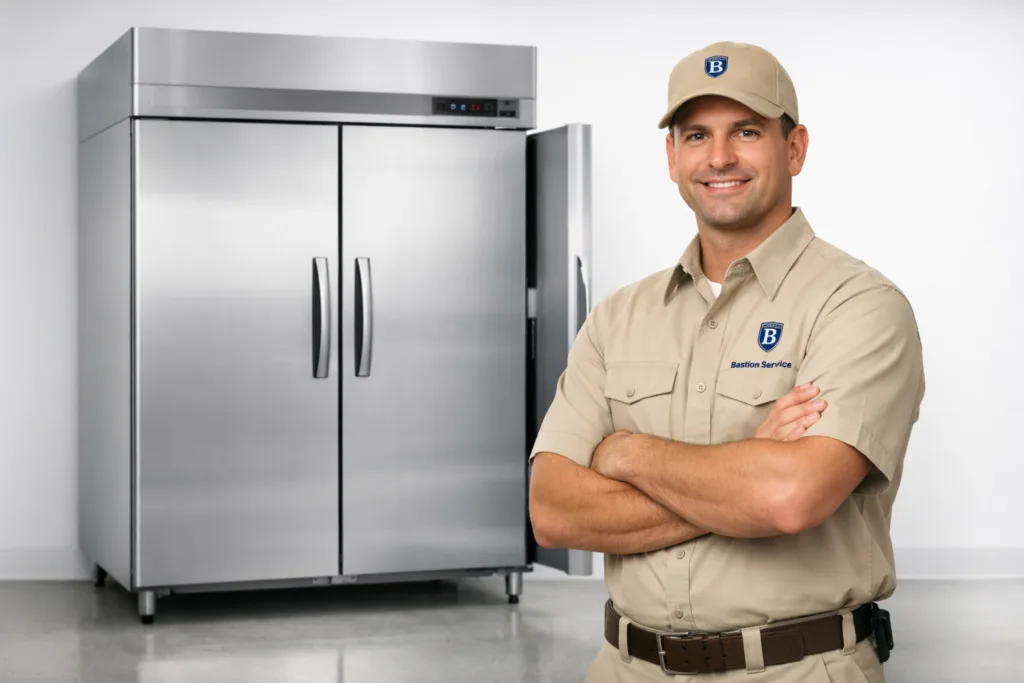




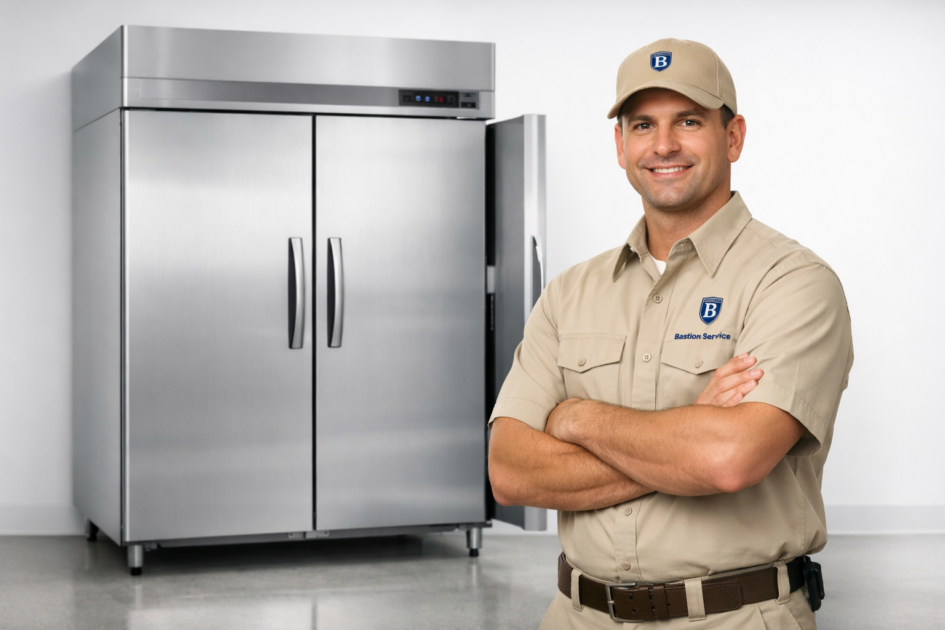
Freezer problems can disrupt prep schedules, inventory control, and daily service long before the unit fully stops cooling. For businesses in Palms, the most useful approach is to evaluate the exact symptom pattern, determine whether the issue is tied to airflow, defrost, controls, door sealing, or refrigeration performance, and schedule repair based on how quickly the problem is affecting product protection and uptime. Bastion Service handles Turbo Air freezer issues with a service-oriented process that helps operators understand what is happening, what conditions may worsen damage, and what the next step should be.
Related commercial service paths in Palms include Turbo Air Commercial Repair in Palms, Commercial Freezer Repair in Palms, and Turbo Air Refrigerator Repair in Palms.
Common Turbo Air freezer problems businesses notice first
Cabinet temperature is rising or not recovering
If the freezer is not pulling down properly after door openings, product is softening, or one section feels warmer than normal, the cause may involve restricted condenser airflow, evaporator frost, weak fan performance, sensor or control trouble, or a refrigeration-side issue. A temperature complaint should be checked against run time, air movement, frost pattern, and door condition before parts are recommended.
Frost buildup keeps coming back
Recurring frost usually means more than “normal ice.” It can point to a torn gasket, poor door closure, moisture intrusion during busy shifts, or a defrost problem that is allowing ice to build around the evaporator area. As frost thickens, airflow drops and the freezer may seem underpowered even though major components are still running.
The unit runs constantly or short cycles
A Turbo Air freezer that runs for long periods without reaching target temperature is often dealing with heat rejection problems, airflow loss, poor door sealing, or declining cooling performance. Short cycling may suggest control issues, electrical faults, sensor misreads, or protective shutdown behavior. Either pattern is worth checking early because extra strain on the system can turn one repair into several.
Fan noise, vibration, or uneven airflow
Buzzing, scraping, rattling, or weak air movement can come from fan motor wear, ice interference, loose panels, or blade damage. These sounds are easy to ignore at first, but fan-related problems often lead to unstable cabinet temperature, frost accumulation, and slow recovery during service hours.
Leaks, drain issues, or water around the unit
Water on the floor may result from a blocked drain, defrost drainage trouble, excess condensation from door leaks, or ice melting in the wrong area. In a busy workspace, that is both an equipment warning and a facility concern, especially when the leak appears repeatedly rather than after one isolated event.
Why symptom-based diagnosis matters
Freezer symptoms overlap more than many operators expect. A warm cabinet can be caused by a failing fan motor, a dirty condenser, a defrost fault, or a sealed-system problem. Replacing one visible part without confirming the root cause often leads to repeat downtime and added cost. Good diagnosis separates the symptom staff sees from the component or condition actually driving the failure.
That matters when scheduling Turbo Air freezer repair in Palms because businesses usually need fast, usable answers: whether the unit can be stabilized, whether continued use could damage other parts, and whether repair makes sense based on the freezer’s overall condition. Service decisions are better when they are based on measured performance and observed operating conditions, not assumptions.
Signs the freezer needs service soon
- Temperature starts drifting higher than normal
- Frost returns quickly after being cleared
- Doors do not close tightly or gaskets look damaged
- Fans become louder or airflow feels inconsistent
- Run time is much longer than usual
- Freezing performance varies between shelves or sections
- Water appears around the base of the unit
- Staff notices alarms or repeated cycling changes
Early service is often the better choice when the freezer is still operating but clearly struggling. Catching a problem before full cooling failure can reduce product loss and may prevent secondary damage to motors, controls, or the compressor.
When continued use can make the problem worse
Some freezers can limp along for a short time, but certain conditions should not be ignored. If ice is blocking airflow, if fans are striking frost, if the unit cannot hold safe operating temperature, or if the compressor is running almost nonstop without normal pull-down, continued use may increase wear and reduce the chance of a simpler repair.
Businesses in Palms should also take repeated door-sealing issues seriously. A door that does not close properly can create a cycle of warm air infiltration, moisture buildup, frost formation, and longer run times. What begins as a gasket or hinge issue can end up affecting airflow and overall cooling performance if it is left alone.
How repair decisions are usually made
Repair is often the sensible option when the fault is tied to defined serviceable parts such as fan motors, sensors, controls, door hardware, gaskets, drain components, or defrost-related parts. In those cases, the freezer may return to stable operation once the failed component and any related cause are addressed.
Replacement becomes more likely when the unit has repeated major failures, extensive cabinet wear, insulation or structural damage, or a larger cooling-system issue combined with age and rising downtime risk. For most operators, the real question is not only repair cost but whether the result will restore reliable day-to-day use.
What to prepare before a service visit
It helps to note when the problem started, whether it is constant or intermittent, and what staff has observed during normal operation. Useful details include how the temperature has changed, whether frost is forming in a specific area, whether the door has been hard to close, and whether the sound or cycling pattern changed first.
If possible, businesses should also be ready to describe:
- Whether product is softening or thawing
- How long recovery takes after door openings
- Whether the issue affects the entire cabinet or one section
- Whether alarms, leaks, or unusual noises are present
- Whether the problem is worse during peak operating hours
That information can help speed up diagnosis and support a more accurate repair recommendation.
Service support for Turbo Air freezer issues in Palms
When a Turbo Air freezer starts warming, frosting over, leaking, or running with unusual noise, the right next step is to schedule service around the actual operating symptoms and the urgency of the downtime risk. For businesses in Palms, that means addressing the fault before inventory, workflow, and staff routines are affected more than they already are. A focused repair visit can identify whether the issue is isolated, whether the unit can be stabilized quickly, and what repair path makes the most operational sense.


