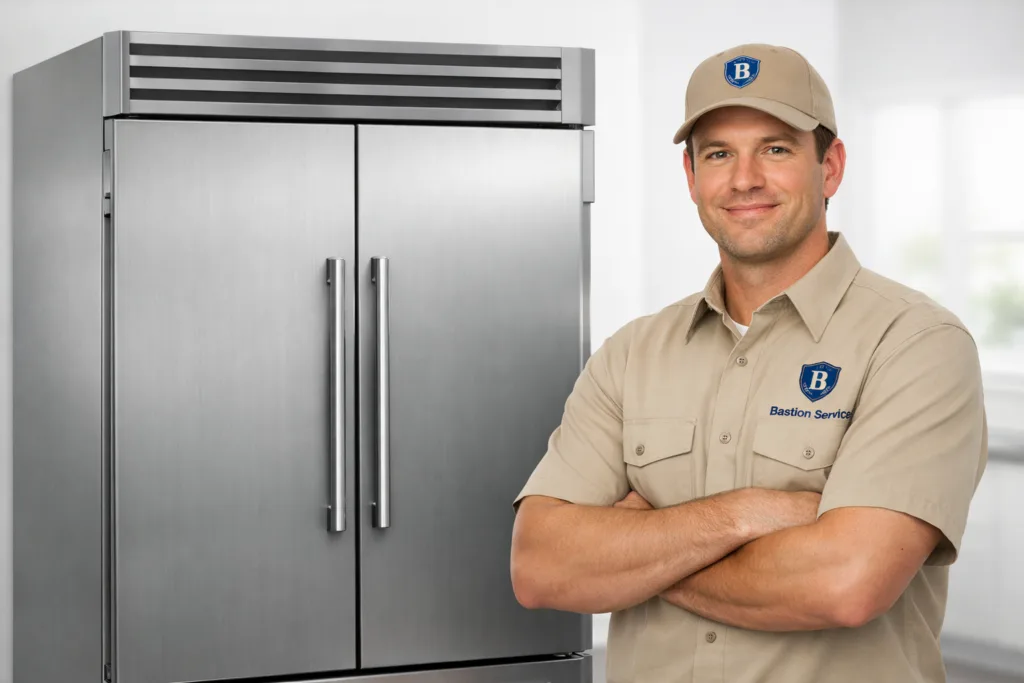
A True refrigerator that starts missing temperature can affect food quality fast, especially when the early signs are subtle. You might notice milk spoiling sooner than expected, vegetables freezing in one drawer, a low hum that has changed pitch, or dampness forming under crisper bins. Those details matter because refrigerator problems rarely point to just one cause.
In many El Segundo homes, the most useful way to approach a refrigerator issue is to match the symptom pattern to the likely system involved. Cooling performance depends on several parts working together: heat removal, air circulation, temperature sensing, defrost operation, door sealing, and drainage. When one part falls out of balance, the symptom can show up somewhere else in the cabinet.
Start with the way the refrigerator is behaving
Before service, it helps to pay attention to what changed first. A unit that gradually became warm can point to a different repair path than one that lost cooling suddenly overnight. A refrigerator that is noisy but still cold is different from one that is quiet and warming up. A leak with no temperature problem may be a drainage issue, while a leak combined with frost often suggests an airflow or defrost concern.
Small observations can help narrow things down, including:
- Whether both the refrigerator and freezer sections are affected
- Whether the unit runs constantly or turns on and off rapidly
- Whether frost is visible on food, shelves, vents, or interior panels
- Whether doors seem harder to close or seals look loose
- Whether noise appears during start-up, while running, or when the door opens
- Whether the problem is constant or comes and goes
Common True refrigerator symptoms and what they often mean
Refrigerator not cooling enough
If the refrigerator is running but temperatures are rising, the problem may involve restricted airflow, condenser-related heat buildup, a failing fan motor, a sensor or control issue, a defrost fault, or a sealed-system problem. The exact pattern matters. If the interior is only slightly cool and never reaches proper storage temperature, service should not be delayed, because continued operation can put extra strain on the cooling system.
Freezer seems colder than the fresh-food section
When the freezer still feels reasonably cold but the refrigerator compartment is warm, airflow is often part of the story. Cold air may not be moving correctly between sections, or frost may be interfering with circulation. An evaporator fan issue, blocked venting, or a control problem can all produce this split-temperature symptom.
Frost or ice buildup inside
Frost is more than a cosmetic problem. It can interfere with airflow, reduce storage space, and lead to uneven temperatures. In some cases, excess frost points to a door sealing issue or frequent warm-air intrusion. In others, it suggests a defrost system problem that keeps ice from clearing normally. If frost returns soon after being manually removed, the underlying cause usually remains unresolved.
Water leaking inside the cabinet or onto the floor
Water under shelves, beneath drawers, or in front of the refrigerator often comes from a blocked drain path, excess condensation, or moisture entering where it should not. If the unit has ice-making features, tubing or related components may also be involved. Even a small leak is worth attention because it can lead to repeat icing, odor, cabinet moisture, or floor damage.
Unusual noise or changing sound levels
Not every refrigerator sound is a sign of failure, but a noticeable change deserves attention. Clicking during start-up, rattling, scraping, fan-like rubbing, or a hum that becomes louder can point to fan interference, vibration, start component trouble, or compressor-related stress. A noise that appears along with warming temperatures is especially important to address quickly.
Running all the time
A refrigerator that seems to run nonstop may be struggling to remove heat effectively or may be losing cold air faster than it should. Dirty heat-exchange areas, poor airflow, door seal wear, sensor problems, frost accumulation, and cooling inefficiency can all contribute. This kind of operation increases wear and can raise energy use while still failing to protect food properly.
Short cycling or repeated restarting
If the unit turns on and off too frequently, that can indicate an electrical, control, or start-related issue. Short cycling can also happen when the refrigerator attempts to cool but cannot maintain stable operation. Intermittent cooling should not be treated as a self-correcting problem, because these failures often return and worsen.
Signs the issue may be getting worse
Some refrigerators show gradual warning signs before a larger failure. You may see longer run times, occasional soft frozen items, water pooling only once in a while, or a fan noise that comes and goes. These symptoms can be easy to ignore because the appliance still appears to work part of the time. The trouble is that intermittent performance often means a component is weakening rather than fully failed.
Watch for escalation such as:
- Food spoiling faster than normal despite unchanged settings
- Frozen items softening and refreezing
- Condensation forming around doors or interior liners
- Ice buildup spreading beyond one small area
- New clicking or buzzing during compressor start attempts
- Temperature recovering briefly and then slipping again
When continued use can cause more damage
There are situations where it is better to limit use until the refrigerator is inspected. If a fan is striking ice, if the cabinet is warming quickly, if water is collecting repeatedly, or if the unit is making persistent start-up noises, ongoing operation can add stress to surrounding parts. A refrigerator that is already struggling may run longer and hotter, which can increase wear and turn a smaller repair into a larger one.
If temperatures are no longer safe for perishable food, protect food first and avoid relying on the appliance to recover on its own.
Repair or replacement: what usually makes sense
Many refrigerator problems are still worth repairing when the fault is tied to a fan, sensor, control component, drain issue, gasket, or defrost-related part and the rest of the unit is in solid condition. Repair becomes less appealing when the diagnosis points to major cooling-system failure, repeat breakdowns, or an expensive repair on a refrigerator already showing multiple signs of age or wear.
The key is not to make the decision based on symptoms alone. The same warm-cabinet complaint might come from a manageable airflow or control issue, or from a much more serious cooling problem. Knowing which system actually failed makes the choice much easier.
How to prepare for a service visit
A little symptom history can make diagnosis more efficient. Try to note when the problem started, whether it followed a power interruption, whether one section stayed cold longer than the other, and whether any noise changed before cooling performance dropped. If you have seen frost, leaks, or inconsistent temperatures, noting where and when they appear can be helpful.
It is also useful to avoid changing multiple settings in an attempt to force a recovery. When controls are adjusted repeatedly, it becomes harder to separate the original fault from the effect of those changes.
What homeowners in El Segundo should do next
If your True refrigerator is showing temperature swings, airflow problems, frost buildup, leaks, or unusual noise, the smartest next step is service based on the actual symptom pattern. That helps avoid unnecessary parts replacement and gives you a better sense of whether the repair is straightforward or whether a larger decision is needed.
For homeowners in El Segundo, timely attention is usually the best way to protect food, reduce the chance of added damage, and restore normal refrigerator performance before a smaller issue turns into a full cooling loss.