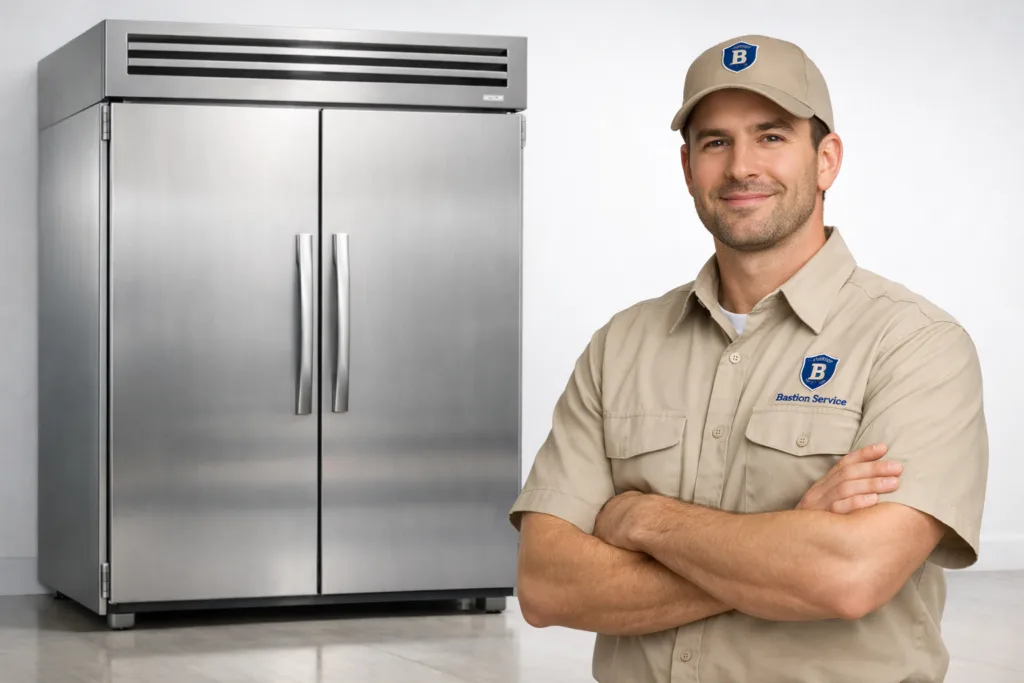




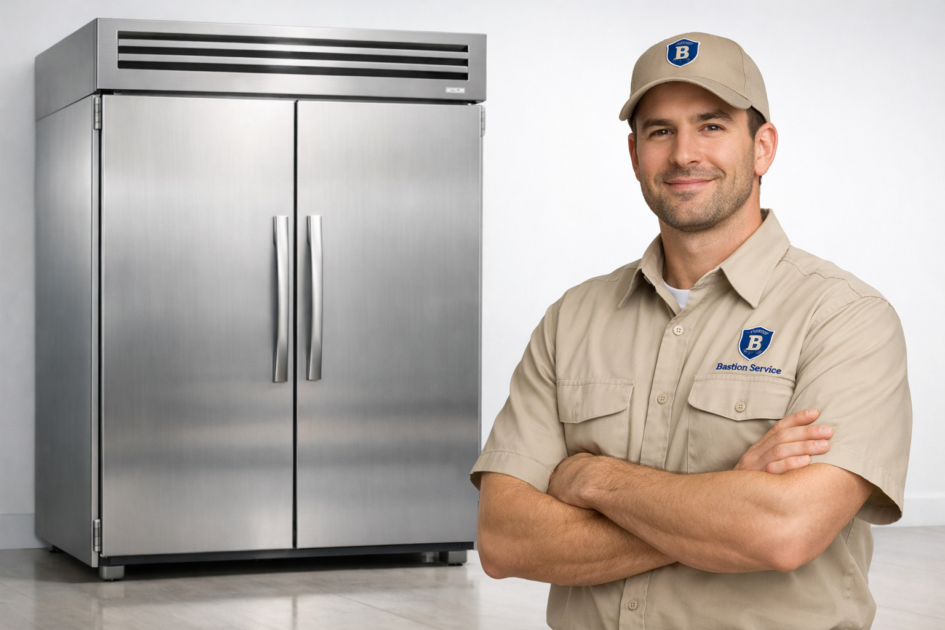
When a True refrigerator starts warming, icing, leaking, or running harder than usual, the best next step is service that identifies the actual fault before more downtime, product loss, or repeat issues develop. In Palos Verdes Estates, businesses rely on steady refrigeration for storage, prep, workflow, and food safety, so repair decisions should be based on how the unit is behaving under normal operating conditions rather than assumptions. Bastion Service provides True refrigerator repair with symptom-based diagnosis, repair scheduling, and a service plan that matches the urgency of the problem.
Related commercial service paths in Palos Verdes Estates include True Commercial Repair in Palos Verdes Estates, Commercial Fridge Repair in Palos Verdes Estates, and True Freezer Repair in Palos Verdes Estates.
True refrigerator issues that should be evaluated quickly
Refrigeration problems often start small and become disruptive fast. A cabinet that is only a few degrees warm can turn into spoiled inventory. A fan noise can become an airflow failure. A minor door-seal issue can lead to heavy frost, long run times, and extra strain on the compressor. For businesses in Palos Verdes Estates, early repair usually helps limit both downtime and the chance that one failing part will affect others.
A focused service visit typically includes temperature verification, airflow checks, inspection of evaporator and condenser conditions, door and gasket review, drain and frost pattern inspection, and testing of controls or sensors when needed. That process helps narrow the problem to the system actually causing the symptoms.
Common symptoms and what they may mean
Warm cabinet or inconsistent temperatures
If the refrigerator is on but not holding temperature, the cause may be restricted condenser airflow, a failing evaporator fan, a control or sensor problem, frost blocking air movement, a weak gasket, or declining refrigeration performance. In a busy kitchen or storage area, unstable temperatures should be treated as a service priority because the unit may still appear to run normally while product temperatures continue to rise.
Constant running or short cycling
A True refrigerator that seems to run nonstop is often compensating for heat entering the cabinet, poor heat transfer, inaccurate sensing, or reduced cooling capacity. Short cycling can point to controls, sensors, electrical issues, or compressor stress. Either pattern means the refrigerator is no longer operating efficiently, and both can lead to further wear if left unresolved.
Frost buildup or ice inside the cabinet
Frost on interior panels, around the evaporator area, or near the door opening usually indicates a problem with door sealing, defrost function, or airflow. Ice buildup can block circulation and cause product temperatures to vary from one section of the cabinet to another. If staff are noticing uneven cooling along with visible frost, those symptoms should be evaluated together rather than treated as separate issues.
Water leaks or excess condensation
Water on the floor, pooling inside the cabinet, or repeated condensation can come from a blocked drain, defrost-related issue, door leak, or temperature instability that causes ice to melt in the wrong places. In addition to affecting refrigeration performance, leaks create cleanup, sanitation, and slip concerns that can interfere with daily operations.
Noise, vibration, or clicking sounds
New noises often provide early warning that a component is wearing out. Fan motors, loose panels, compressor strain, and mounting issues can all create buzzing, rattling, clicking, or vibration. Some sounds are minor, but changes in noise should not be ignored when they appear alongside poor cooling, longer run times, or intermittent shutdowns.
Display, alarm, or control problems
If the display is inaccurate, settings do not respond properly, or alarms keep returning, the fault may involve sensors, wiring, boards, or a cooling issue that the controls are correctly detecting. Control symptoms can be misleading, which is why testing is important before replacing electronic parts.
Why True refrigerators lose performance over time
Most service calls come back to a few operating conditions: reduced airflow, dirty heat-exchange surfaces, door leakage, failed fans, defrost trouble, sensor drift, or component wear from extended run time. In a business setting, refrigerators open and close frequently, carry changing product loads, and operate for long hours. That kind of use makes small maintenance-related issues more likely to affect overall cooling performance.
Even when the problem appears simple, the visible symptom is not always the root cause. For example, frost may begin with a gasket problem but later affect airflow and temperature readings. A warm cabinet may seem like a thermostat issue but actually involve restricted condenser performance or a failing fan motor. Good diagnosis separates cause from consequence.
When service should be scheduled right away
Schedule repair promptly if the refrigerator is not holding temperature, the unit runs abnormally long, frost continues to build, water is leaking, alarms do not clear, or operating noise changes noticeably. Another warning sign is when staff have to keep adjusting controls just to maintain basic cooling. That usually means the refrigerator is no longer responding normally and needs inspection.
- Product temperatures are rising even though the unit is powered on
- The cabinet feels warmer in some sections than others
- Doors do not close cleanly or gaskets look damaged
- Ice keeps returning after being cleared
- Fans sound weak, loud, or inconsistent
- Water appears repeatedly inside or around the unit
If the refrigerator is still operating but performance is unstable, continued use may increase strain on fans, controls, and refrigeration components. Addressing the issue early is often less disruptive than waiting for a full cooling failure.
Repair or replace?
Many True refrigerator problems are repairable, especially when the cabinet is in good condition and the issue involves fans, controls, gaskets, drains, defrost components, sensors, or other serviceable parts. Replacement becomes a more serious consideration when the refrigerator has repeated major failures, poor reliability during critical operating hours, or repair costs that no longer make sense for the business.
A practical decision usually depends on four things:
- The current condition of the cabinet and major components
- The severity of the present failure
- How strongly the downtime affects operations
- Whether the repair is likely to restore stable performance instead of offering only a short-term fix
How businesses can prepare for a repair visit
Before service is scheduled, it helps to note the most important symptoms: whether the refrigerator is warm all the time or only during parts of the day, whether frost is increasing, whether alarms are active, and whether unusual sounds started recently. Staff can also identify if the issue affects the whole cabinet or only certain sections. That information makes diagnosis faster and helps define whether the problem is urgent or already progressing toward failure.
If possible, businesses should avoid repeatedly changing settings before the visit. Frequent adjustments can hide the original pattern and make it harder to determine whether the source is airflow, sensing, controls, or refrigeration-system performance.
Service that supports uptime in Palos Verdes Estates
True refrigerator repair should do more than confirm that the unit is not cooling correctly. It should identify what system is failing, explain whether continued use is risky, and outline the repair needed to restore dependable operation. For businesses in Palos Verdes Estates, that means focusing on temperature stability, airflow, leak control, and component condition in a way that supports day-to-day operations.
If your True refrigerator is showing signs of unstable cooling, frost buildup, leaks, control issues, or excessive run time, scheduling service is the most practical next step. A timely diagnosis helps protect inventory, reduce disruption, and move the unit from symptom management to an actual repair plan.