
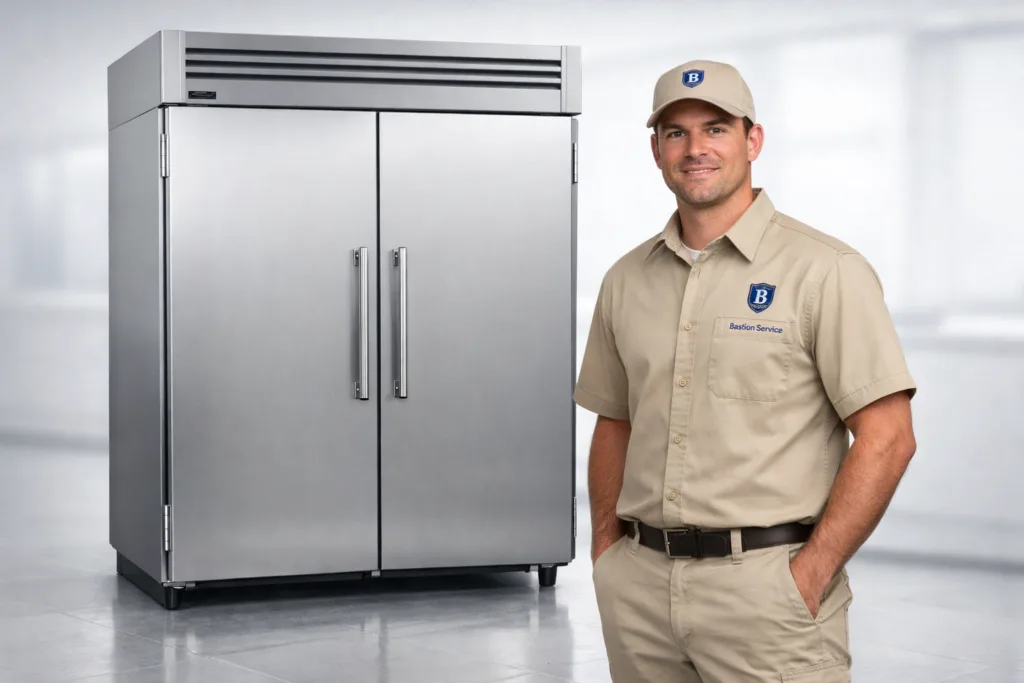




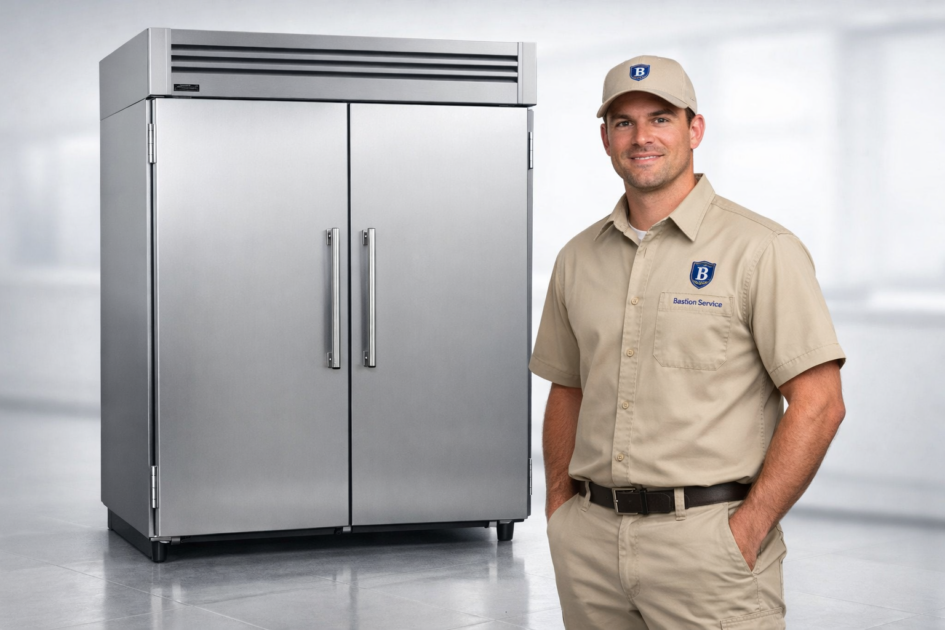
When a True freezer starts losing temperature control, building ice, or making unusual noise, the priority is protecting product and limiting downtime. For businesses in Cheviot Hills, service is most effective when the problem is evaluated by symptom pattern rather than by guesswork. Bastion Service handles True freezer issues with an emphasis on diagnosis, repair planning, and scheduling that helps operators decide whether the unit needs adjustment, part replacement, or more extensive corrective work.
Related commercial service paths in Cheviot Hills include True Commercial Repair in Cheviot Hills, Commercial Freezer Repair in Cheviot Hills, and True Refrigerator Repair in Cheviot Hills.
What a True Freezer Problem Usually Looks Like in Daily Operation
Freezer failures rarely start as a complete shutdown. More often, the first signs are subtle: slower pull-down, temperature drift during busy periods, frost near the door, interior airflow that feels weak, or a cabinet that runs longer than normal. Those changes matter because they often point to a problem that is getting worse under load.
In a business setting, even a freezer that is still running may no longer be protecting inventory as expected. That is why service decisions should be based on operating behavior, not only on whether lights are on or the compressor can be heard.
Common True Freezer Symptoms and What They May Mean
Not freezing hard enough
If product is softening or the cabinet cannot hold its target temperature, several faults are possible. Common causes include evaporator frost restricting airflow, condenser issues, fan motor failure, control or sensor problems, door sealing loss, or a sealed-system problem. A freezer that seems close to normal but never quite recovers after use often needs more than a thermostat adjustment.
Frost buildup inside the cabinet
Heavy frost can form when warm air keeps entering the cabinet or when the defrost system is not clearing ice correctly. Door gasket wear, door alignment issues, damaged hinges, defrost heater faults, sensor problems, or drain issues can all contribute. As frost spreads, airflow drops and temperature stability usually gets worse.
Fan noise, buzzing, or clicking
Noise changes are often an early warning sign. A scraping or rattling sound may point to ice contacting a fan blade, while buzzing or repeated clicking can suggest electrical or starting issues. Louder-than-normal operation may also mean the freezer is working harder because it cannot move air properly or reject heat efficiently.
Running constantly or cycling too often
A True freezer that rarely shuts off may be compensating for heat gain, dirty heat-exchange surfaces, weak airflow, or a cooling-system fault. Frequent short cycling can also indicate control issues or electrical component trouble. Either pattern can increase wear and lead to a larger failure if ignored.
Water on the floor or moisture around the unit
Water does not always mean a simple spill or condensation issue. It can result from a blocked defrost drain, melting ice buildup, poor door sealing, or an operating condition that is allowing too much moisture into the cabinet. Leaks should be taken seriously because they often appear alongside airflow and temperature problems.
Why a Symptom-Based Diagnosis Matters
Many freezer complaints overlap. A cabinet that is not cold enough may have a fan problem, a control problem, an airflow restriction, or a larger cooling issue. Frost can be caused by gasket leakage, door closure problems, or a failed defrost component. Long run times may point to anything from dirty condenser conditions to refrigerant-related trouble.
Checking the unit by symptom pattern helps narrow down the actual source of failure. That usually includes reviewing temperature behavior, airflow strength, frost location, fan operation, door sealing, control response, and whether the freezer recovers properly after openings. This approach reduces the risk of replacing the wrong part and helps businesses in Cheviot Hills make better repair decisions.
Signs the Problem Is Getting More Urgent
- Product is no longer fully frozen.
- The cabinet temperature rises during normal use and does not recover.
- Ice is collecting on interior panels, around the evaporator area, or near the door.
- The freezer is running almost nonstop.
- Fan noise has become louder, irregular, or intermittent.
- Door gaskets look torn, loose, or no longer seal evenly.
- Water is appearing under or around the freezer.
These symptoms usually mean the unit is under strain. Acting early can help prevent additional wear on motors, controls, and cooling components.
Door Gaskets, Air Leaks, and Why Small Seal Problems Matter
A worn gasket or door that does not close correctly can create bigger freezer problems than many operators expect. Every small air leak allows moisture and heat into the cabinet. That leads to frost, longer run cycles, weaker temperature control, and more strain on the refrigeration system.
When a True freezer has repeat frost issues, poor recovery, or moisture around the door opening, seal integrity should be part of the inspection. Catching that problem early is often easier than dealing with the secondary damage caused by ongoing warm-air intrusion.
Airflow Problems Can Mimic Major Cooling Failures
One of the most common reasons a freezer seems to be failing is poor airflow. Ice on the evaporator, blocked passages, fan trouble, or dirty condenser conditions can all reduce performance enough to make the cabinet appear to have a much larger issue. That is why airflow checks are an important part of freezer diagnosis.
If the freezer is cold in one area but inconsistent in another, or if the cabinet temperature is drifting while the machine runs heavily, airflow restriction is a strong possibility. Correcting that kind of problem quickly can prevent unnecessary stress on other components.
When Continued Use Can Make the Repair More Expensive
It is tempting to keep using a struggling freezer as long as it still seems partly functional, but that often increases repair scope. A unit that runs constantly, cannot clear frost, or has poor airflow may overwork the compressor and fans. A door that leaks can turn a minor sealing problem into repeated icing and unstable performance. Moisture issues can also create slip hazards and affect surrounding equipment areas.
If the freezer is no longer holding temperature reliably, scheduling service promptly is usually the safer operational choice.
Repair or Replace?
The answer depends on the type of failure, the condition of the cabinet, the age of the unit, the history of recent repairs, and how critical that specific freezer is to daily workflow. If the issue is isolated and the equipment is otherwise in solid condition, repair is often the sensible path. If multiple systems are failing or reliability has become unpredictable, replacement may deserve a closer look.
The key is to base that decision on the actual fault pattern rather than on symptoms alone. A freezer that looks severe from the outside may have a repairable airflow or defrost issue, while a unit with minor-looking symptoms may have deeper system trouble.
How to Prepare for a True Freezer Service Visit
Before service is scheduled, it helps to note a few details:
- Whether the problem started suddenly or gradually
- The current cabinet temperature and how far it is drifting
- Whether frost is visible and where it is forming
- Any unusual sounds such as clicking, buzzing, or fan scraping
- Whether the door closes tightly or seems misaligned
- Whether water has been appearing near the unit
- How the freezer behaves after frequent openings or heavier use
That information can help clarify urgency and make the repair visit more productive.
Service-Focused Next Steps for Businesses in Cheviot Hills
True freezer repair is usually most successful when the unit is evaluated before a minor symptom becomes a full interruption. For businesses in Cheviot Hills, the practical next step is to schedule service when temperature stability, airflow, frost, door sealing, or noise changes suggest the freezer is no longer operating normally. A timely inspection helps identify the cause, define the repair scope, and determine the best path to restore reliable operation with less disruption to daily work.


