
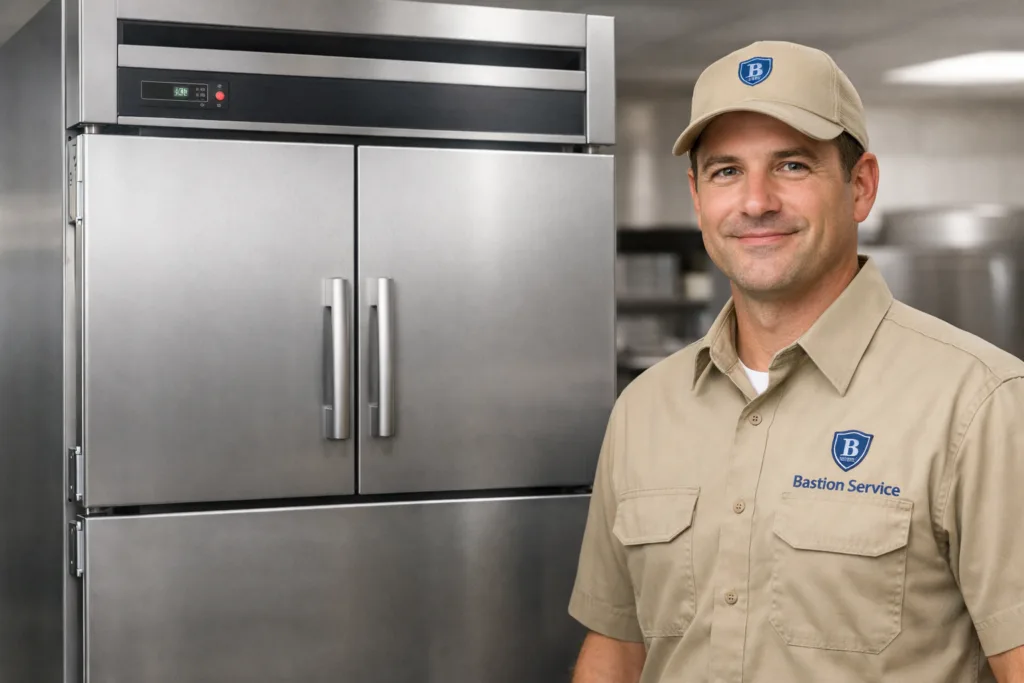




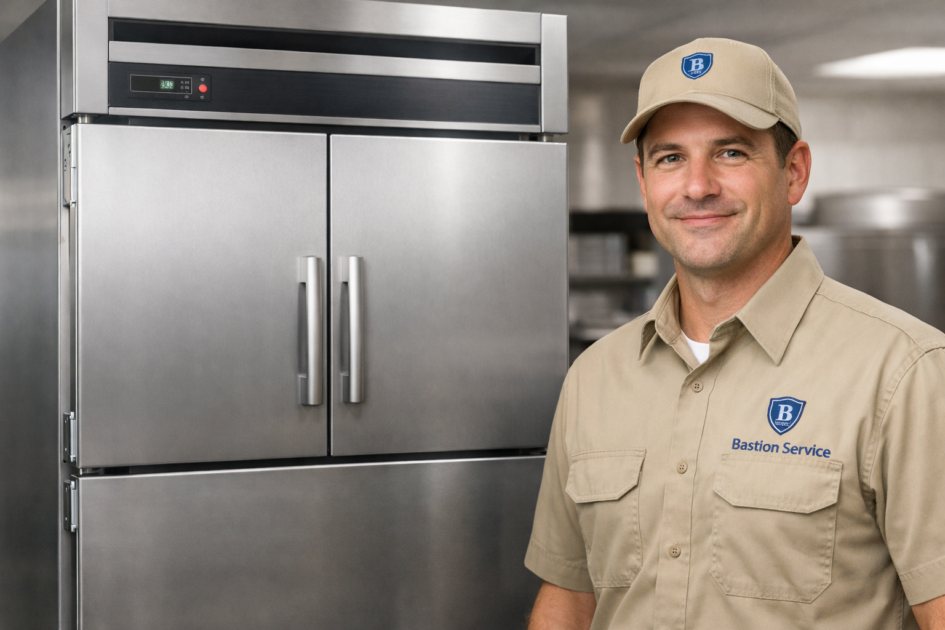
Freezer problems can interrupt prep, put inventory at risk, and force staff to work around equipment that no longer holds a consistent temperature. For businesses in Inglewood, service is most effective when the visit is centered on the actual symptom pattern: when the freezer runs warm, whether frost returns quickly, how the door is sealing, and whether the unit is struggling during normal operating hours. Bastion Service provides Traulsen freezer repair by narrowing the issue to the components and conditions most likely causing the failure, so repair decisions are based on what the equipment is doing in the field rather than guesswork.
Related commercial service paths in Inglewood include Traulsen Commercial Repair in Inglewood, Commercial Freezer Repair in Inglewood, and Traulsen Refrigerator Repair in Inglewood.
What common Traulsen freezer symptoms usually point to
Cabinet temperature is rising or not reaching setpoint
If the box temperature stays above target, climbs during the day, or takes too long to recover after the door is opened, the cause may involve poor airflow, condenser buildup, weak evaporator performance, sensor drift, control problems, or a refrigeration issue. A freezer that seems acceptable early in the day but warms up under heavier use often needs more than a simple setting adjustment.
This symptom is especially important when product near the door feels softer than product in the back, or when different shelves show different temperatures. That pattern can suggest airflow imbalance, fan trouble, ice restriction, or warm air entering through a sealing problem.
Frost or ice keeps coming back
Repeated frost buildup is often tied to air leaks or defrost problems. Worn gaskets, misaligned doors, damaged hinges, and doors that do not close fully can pull warm, moist air into the cabinet. Once that happens, ice can form on interior surfaces, around the evaporator area, or along the door frame.
When frost is heavier near the evaporator section, the unit may need testing of defrost heaters, sensors, termination components, timers, or board functions. Ice buildup is not just a cosmetic issue. It can block airflow, reduce cooling performance, and make the freezer run longer without restoring stable storage conditions.
The freezer runs constantly
A Traulsen freezer that rarely cycles off is usually compensating for another problem. Dirty condenser coils, poor door sealing, low cooling capacity, inaccurate temperature feedback, or restricted airflow can all cause excessive run time. In some cases, the freezer appears to be working because it never stops running, but product temperature still drifts.
Constant operation adds stress to major components and can make a smaller issue more expensive if it is left unresolved. If the cabinet is still struggling while the machine runs nearly nonstop, the unit should be evaluated before the strain leads to a larger failure.
Fan noise, rattling, or vibration has changed
New noises often help narrow down the fault. A rattling panel may be simple, but fan scraping can indicate ice interference or a motor problem. Buzzing or harsher compressor sound can point to operating stress, mounting issues, or a system that is no longer running under normal conditions.
Noise matters most when it appears together with temperature swings, alarm activity, or frost buildup. Those combinations often reveal whether the problem is isolated to an air-movement issue or part of a broader cooling failure.
Leaks, drain issues, or water near the unit
Water where it should not be can come from blocked drains, defrost drainage problems, ice melt from a door leak, or insulation and condensation issues caused by warm air infiltration. A leaking freezer should not be treated as separate from cooling performance. Drain and frost conditions are frequently connected, especially when ice is already building inside the cabinet.
Alarms, resets, or intermittent shutdowns
If the controller is showing alarms, resetting, or shutting the unit down unpredictably, diagnosis may need to focus on sensors, wiring connections, controls, motors, or overheating conditions. Intermittent failures are often the most disruptive because the freezer may appear normal when checked briefly, then fail again during service hours.
Keeping track of when the alarm appears, whether the cabinet was full, and whether the issue followed a defrost cycle can make the repair path much more direct.
Why exact diagnosis matters on a Traulsen freezer
Similar symptoms do not always mean the same repair. A warm cabinet can come from a dirty condenser, a failing fan motor, a bad temperature input, a defrost problem, poor gasket sealing, or a sealed-system issue. Replacing the wrong part wastes time and does not restore stable operation.
On Traulsen equipment used daily in kitchens, hotels, food-service businesses, and other operating environments in Inglewood, the real goal is not simply getting the unit to turn back on. The goal is confirming why it lost performance and whether the repair will hold up under normal workload. That is what helps reduce repeat downtime and avoid unnecessary part swapping.
When to schedule freezer service instead of waiting
Service should be scheduled when the freezer starts showing patterns such as:
- Temperature drifting above normal range
- Slow recovery after door openings
- Frost returning soon after it is cleared
- Door gaskets not sealing tightly
- Fans getting louder or changing sound
- Controller alarms or resets repeating
- Water collecting around the cabinet
- Run time increasing without better cooling
Waiting too long can turn a manageable repair into a more disruptive outage. If the freezer is already struggling to pull down temperature, running it harder usually does not solve the underlying problem.
Signs continued use may make the problem worse
Some units can remain in limited use until the service appointment, but others should be addressed more urgently. If airflow is heavily blocked by ice, the compressor is overheating, breakers are tripping, or the cabinet cannot maintain frozen storage conditions, continued use can increase wear and raise the chance of product loss.
Door problems also tend to escalate. A torn gasket, sagging door, or frame that no longer seals evenly allows repeated moisture entry, which leads to more frost, longer run times, and added stress on the cooling system. What starts as a sealing problem can end up affecting several parts of the freezer if ignored.
Repair or replacement: how businesses usually evaluate the decision
Many Traulsen freezer issues are repairable, including failed fan motors, sensors, controls, gaskets, hinges, drains, defrost components, and airflow-related performance problems. Repair is often the sensible option when the cabinet is in good condition and the fault is isolated to a specific system or group of components.
Replacement becomes a more serious consideration when the unit has a history of recurring failures, major refrigeration-system trouble, structural cabinet deterioration, or repair costs that no longer support reliable operation. For businesses in Inglewood, the decision usually comes down to downtime exposure, age, prior repairs, and whether the freezer still matches the demands of the operation.
What to have ready before scheduling service
A few details can make diagnosis faster once the technician is on site. Helpful information includes:
- Model and serial information if available
- Current cabinet temperature
- Any alarm or error codes on the display
- When the issue first started
- Whether the problem is constant or intermittent
- Whether it gets worse during busy periods or after loading product
- Whether frost, leaks, or noise appeared at the same time
Those details help connect the symptom to likely causes before parts are considered, which can save time and reduce return visits.
Service focused on uptime and next steps
Traulsen freezer repair is most useful when it is approached as an equipment-reliability problem, not just a single complaint about temperature. If your freezer in Inglewood is warming up, building frost, leaking, running constantly, or showing alarm conditions, the next step is to schedule service while the failure pattern is still identifiable. Early evaluation helps protect inventory, supports repair planning, and gives your team a better chance of restoring stable freezer performance before downtime spreads into the rest of the workday.


