
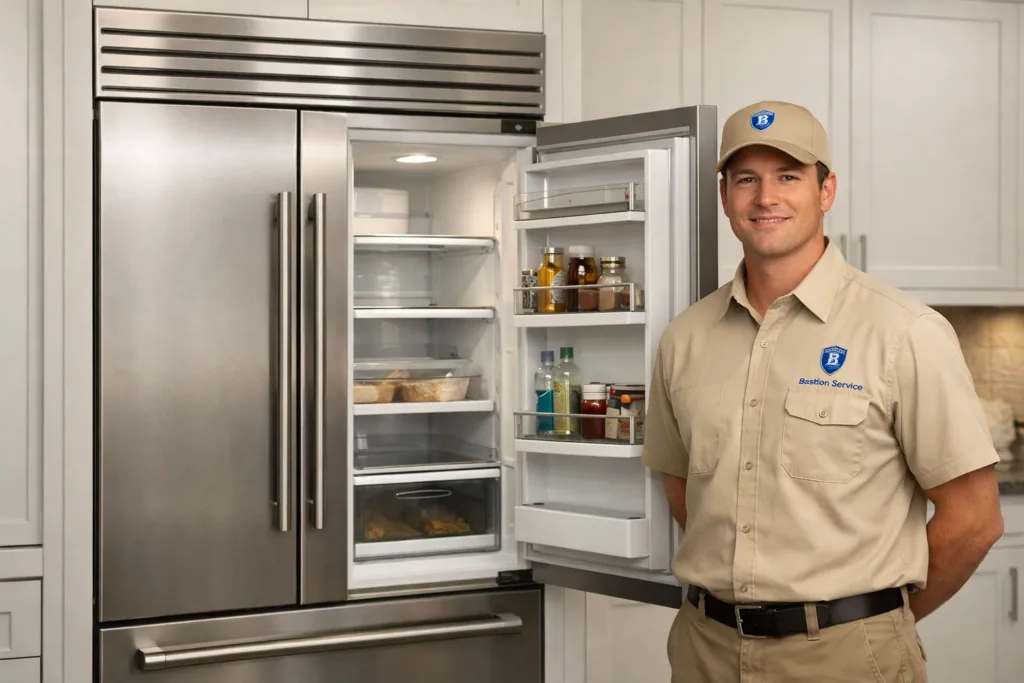




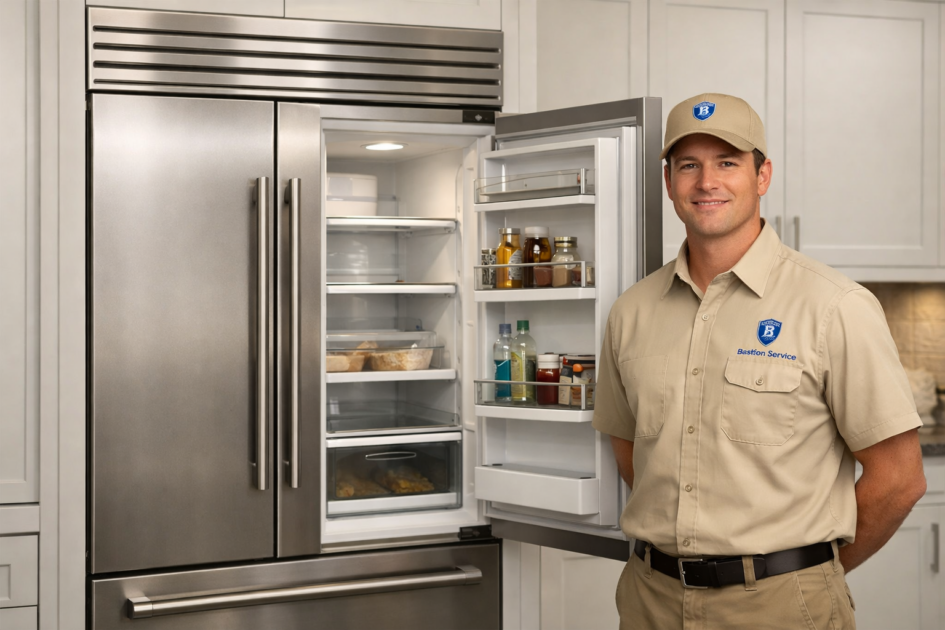
Sub-Zero appliances are designed for steady, precise cooling, so even a small change in performance can be worth attention. If a refrigerator feels slightly warm, a freezer begins collecting frost, or a wine cooler cannot stay in range, the symptom may be tied to airflow restrictions, fan trouble, sensor drift, gasket wear, drainage issues, or a larger cooling-system fault. The pattern matters because two appliances can show the same symptom for very different reasons.
For specific Sub-Zero appliance paths in Palos Verdes Estates, review Sub-Zero Refrigerator Repair in Palos Verdes Estates, Sub-Zero Freezer Repair in Palos Verdes Estates, and Sub-Zero Wine Cooler Repair in Palos Verdes Estates.
How Sub-Zero problems usually show up
Many households notice trouble before the appliance fully stops working. Food may spoil faster than expected, compartments may feel uneven from shelf to shelf, or the unit may run longer and sound different than usual. These early changes are often the best clue that something in the system is no longer operating normally.
In Palos Verdes Estates, homeowners often benefit from looking at the full symptom pattern instead of focusing on a single sign. A leak, a noise, and a temperature swing happening together usually point to a more specific diagnosis than any one symptom by itself.
Refrigerator symptoms and what they can indicate
Sub-Zero refrigerator issues often begin with inconsistent cooling rather than complete failure. Milk may not stay cold enough, produce may wilt early, or items near one side of the compartment may feel warmer than items on another shelf. That can suggest poor air circulation, a worn fan motor, dirty condenser components, control issues, or a door that is not sealing tightly.
Other common refrigerator warning signs include:
- Food spoiling faster than normal
- Interior areas that feel warmer than the set temperature suggests
- Water collecting under drawers or near the base of the unit
- Humming, rattling, or clicking that is new or louder than before
- A motor that seems to run for long stretches without resting
When a refrigerator is still cooling somewhat, it can be tempting to wait. The risk is that extended overwork can put added strain on fans, controls, and the compressor, turning a manageable repair into a larger one.
Freezer problems that should not be ignored
A Sub-Zero freezer should maintain stable freezing conditions with minimal visible moisture. If frost starts building on walls, packages feel soft, or ice quality changes, the unit is signaling a problem that deserves prompt evaluation. Sometimes the cause is relatively direct, such as a gasket leak allowing warm air in. In other cases, the problem involves defrost components, circulation fans, sensors, or the cooling system itself.
Watch for these freezer symptoms:
- Heavy frost or snow-like buildup inside the compartment
- Frozen items becoming soft around the edges
- Ice maker output slowing down or stopping
- Clicking or buzzing during cooling cycles
- A freezer that runs constantly but never seems fully cold
If food texture changes suddenly, it is usually a sign that the temperature has been unstable for longer than it first appeared. That makes timely service especially important.
Wine cooler performance issues
Sub-Zero wine coolers are meant to hold a narrow temperature range, so moderate drift can matter even when the appliance still appears to be working. A cabinet that feels slightly too warm, frequent cycling, unusual vibration, or erratic control behavior can all point to airflow trouble, sensor problems, condenser buildup, control faults, or wear in the cooling components.
Because wine storage is often about consistency over time, even subtle issues deserve attention. A unit that is constantly running or struggling to recover temperature after the door closes is not performing the way it should.
What certain symptoms often mean
While testing is needed to confirm the fault, some symptom patterns commonly point in specific directions:
- Constant running: can suggest poor heat transfer, dirty coils, door seal leaks, or trouble with sensing and control.
- Intermittent warming: may be related to fan failure, control instability, or a component that is beginning to fail under load.
- Frost or condensation: often means warm air is entering, the defrost process is not working correctly, or airflow is blocked.
- Buzzing, clicking, or rattling: can come from fans, relays, loose parts, or a compressor that is struggling to start or cycle properly.
- Pooled water: may indicate a blocked drain, excess condensation, or uneven cooling inside the cabinet.
These signs are useful because they help narrow the likely cause, but they are not a substitute for diagnosis. Replacing parts based only on guesswork can add cost without solving the real issue.
When service becomes urgent
Some Sub-Zero problems can wait a short time for scheduling, while others should be treated as urgent. Service moves higher on the priority list when a refrigerator cannot hold safe food temperatures, a freezer is no longer keeping food solidly frozen, or a wine cooler is drifting far outside its setting. Sudden loud noises, rapid frost buildup, or repeated cycling on and off also deserve quick attention.
Households in Palos Verdes Estates should also pay attention to gradual decline. An appliance that has been running longer each month, leaking occasionally, or showing repeated temperature swings is often heading toward a more obvious failure.
Repair versus replacement
Whether repair makes sense depends on the confirmed fault, the age of the unit, its general condition, and whether the problem is isolated or part of broader wear. Many Sub-Zero issues involving fans, sensors, seals, drains, electrical components, and controls can be repaired reasonably when the appliance is otherwise in good shape.
Replacement becomes a more serious consideration when diagnosis shows major cooling-system failure, repeated repair history, or cost that is out of proportion to the remaining service life of the appliance. The important step is making that decision from evidence, not from surface symptoms alone.
What homeowners can do before the visit
Before scheduling, it helps to note exactly what the appliance is doing. Useful details include when the symptom started, whether it is constant or intermittent, any error displays, unusual sounds, visible frost, leaking water, or areas that feel warmer than others. If food has spoiled or softened, that timing is also helpful.
A few simple checks can also clarify the situation:
- Make sure the door is closing fully and not being blocked by stored items
- Look for visible gasket gaps, moisture, or frost near the door edge
- Check whether vents inside the compartment are blocked
- Notice whether the appliance is running nonstop or cycling unusually often
- Watch for recurring water under drawers or on the floor
These observations do not replace repair work, but they can make the symptom history clearer and help determine how urgent the problem is.
Sub-Zero repair planning for homes in Palos Verdes Estates
Built-in refrigeration and specialty cooling appliances often fail gradually rather than all at once. That is why the most useful repair approach is one that looks beyond the visible symptom and identifies the actual cause, expected scope of work, and whether repair is the sensible next step for the household. For homes in Palos Verdes Estates, that means paying attention early when cooling performance changes instead of waiting for a complete breakdown.
When a Sub-Zero refrigerator, freezer, or wine cooler starts showing warning signs, a careful evaluation helps protect food, reduce unnecessary stress on the appliance, and guide the next decision with more confidence.


