
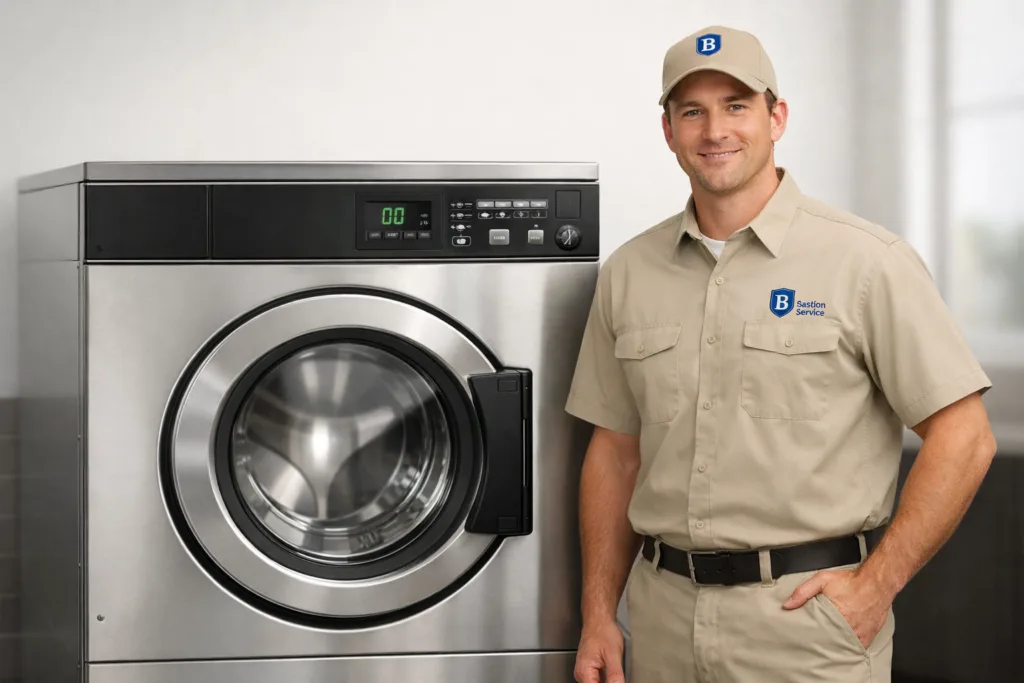




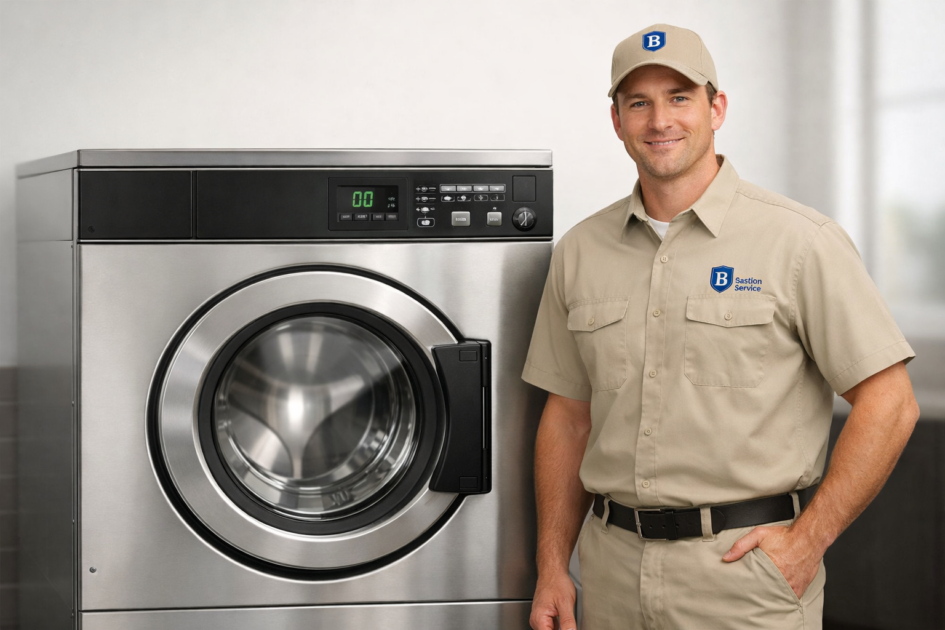
When a Speed Queen washer or dryer begins interrupting laundry flow, tenant service, or daily production, the most useful next step is a service visit that connects the symptom to the actual failed system. What looks like a simple no-start issue or long dry time can come from controls, drainage, airflow, drive parts, heating components, or wear that has been building for some time. For businesses in Rancho Park, repair scheduling is often less about one machine in isolation and more about protecting uptime, avoiding preventable damage, and restoring normal operation with as little disruption as possible.
For specific equipment paths in Rancho Park, review Speed Queen Washer Repair in Rancho Park, Speed Queen Dryer Repair in Rancho Park, and Commercial Appliance Repair in Rancho Park.
Bastion Service works with Rancho Park businesses that rely on Speed Queen laundry equipment in shared laundry rooms, hotels, housing properties, and other business settings where washer and dryer reliability affects staff workload and service expectations. A proper diagnosis helps determine whether the equipment should remain in use, be taken offline, or be repaired in stages based on the condition of the machine and the urgency of the outage.
Speed Queen Laundry Equipment Problems That Commonly Need Repair
Speed Queen laundry equipment can show problems in several ways before a complete failure happens. Some machines stop starting reliably. Others finish cycles poorly, leave water behind, overheat, vibrate excessively, or require repeated restarts. In business use, these symptoms matter because they usually create a second layer of disruption: delayed turnover, added labor, unhappy users, and extra strain on the rest of the equipment lineup.
- Washers that will not start, lock, fill, drain, spin, or complete cycles
- Dryers with no heat, weak heat, overheating, long dry times, or shutdowns
- Leaks, standing water, damp loads, or repeated error conditions
- Loud noise, shaking, thumping, scraping, or burning odors
- Intermittent faults that seem to come and go but keep returning
In many cases, the visible symptom is only one part of the problem. A wet-load complaint may begin with the washer, the dryer, or both. A machine that shuts down mid-cycle may have a safety-related cause rather than a simple control issue. That is why symptom-based repair is more useful than guessing based on one failed load.
Washer Symptoms That Affect Laundry Turnaround
Drain Failure and Water Left in the Drum
If a Speed Queen washer ends a cycle with standing water, drains slowly, or stops before finishing, the problem may involve the drain pump, drain path restrictions, pressure sensing, wiring, or the control system. In a busy laundry setting, incomplete draining usually leads to delayed load movement, repeated cycle attempts, and a greater chance of overflow or water exposure around the machine. This is usually a good time to stop relying on resets and schedule repair.
Spin Problems and Excessively Wet Loads
When loads come out heavier and wetter than normal, the washer may not be reaching proper spin performance. That can be tied to imbalance detection, motor or drive trouble, belt wear, drainage issues, or control-related faults. This symptom often shows up first as a dryer complaint because the downstream machine suddenly needs much longer to finish the same volume. Looking at both the wash and dry side helps prevent replacing the wrong part or chasing the wrong machine.
Leaks During Fill, Wash, or Drain
Leaks can come from hoses, inlet valves, pump assemblies, door-area seals, or internal components that only release water during specific parts of the cycle. Even a slow leak deserves attention in business-use laundry areas because it can create slip risk, surface damage, and corrosion around nearby equipment. If staff are noticing recurring puddles, the repair decision should be made early rather than after a larger failure.
Noise, Shaking, and Harsh Movement
Banging, grinding, scraping, or severe vibration may point to suspension wear, bearing problems, mounting issues, drum-related damage, or an installation condition that has worsened over time. Machines that continue operating while shaking excessively can damage surrounding parts and become much more expensive to restore. If vibration has become routine instead of occasional, the unit should be evaluated before it remains in regular use.
Dryer Symptoms That Reduce Throughput
Long Dry Times and Damp Loads
One of the most disruptive dryer complaints is a cycle that technically runs but no longer dries efficiently. Weak heat, restricted airflow, sensor problems, cycling issues, ignition or heating component failure, and control problems can all cause extended dry times. In Rancho Park laundry operations, that usually means fewer completed loads per day and more staff time spent re-running machines that should have finished the first time.
No Heat or Inconsistent Heat
A dryer that tumbles without heating, heats only sometimes, or loses heat mid-cycle needs more than a basic restart. The fault may involve the heating circuit, temperature controls, safety devices, wiring, or the airflow path that allows the machine to operate normally. Inconsistent heating is especially important to address early because it often leads to repeated use that adds wear without solving the production problem.
No Start and Mid-Cycle Shutdowns
If a Speed Queen dryer will not start, stops after a few minutes, or shuts down repeatedly under normal use, the problem can be tied to door-switch operation, motor trouble, overheating protection, electrical issues, or control faults. For business operators, the main concern is whether the machine can be returned to service safely and reliably. A dryer that repeatedly cuts out is usually warning that continued operation is not the right plan.
Squealing, Thumping, Odors, and Overheating
Dryers often become noisy before a major component fails. Squealing, thumping, scraping, or rumbling may indicate worn rollers, idler parts, blower wheel issues, or motor wear. Burning odors and overheating raise the urgency because they may point to restricted airflow or failing heat-management components. These are not symptoms to monitor indefinitely; they are signs to remove the machine from normal use and arrange repair.
How Washer and Dryer Problems Can Be Connected
In many laundry rooms, operators assume each symptom belongs to one machine. In practice, washer and dryer performance often overlap. A washer that leaves excess moisture can make a dryer appear weak. A dryer with poor airflow can make normal washer output seem wetter than expected. Rewash cycles, repeated drying, and user complaints tend to multiply when the root cause is misidentified.
That is why it helps to assess the full symptom pattern rather than one complaint in isolation. If one part of the laundry process has changed, the right repair decision may involve confirming whether the issue begins at wash extraction, dry performance, or both.
When Continued Operation Stops Making Sense
Some equipment problems can wait for planned scheduling, but others should move quickly to service. If a machine is leaking, overheating, making strong mechanical noise, shutting down repeatedly, leaving standing water, or failing cycles often enough to affect workflow, continued use can turn a contained repair into a larger outage. The same is true when staff are compensating manually by restarting loads, moving work to other units, or warning users away from one machine.
- Schedule prompt service for visible leaks or standing water
- Take overheating or burning-smell dryer symptoms seriously
- Do not ignore persistent vibration or banging during washer operation
- Investigate repeat cycle failures instead of relying on resets
- Address one underperforming unit before it slows the rest of the room
Once a machine begins affecting the rest of the laundry schedule, the cost of waiting is no longer limited to that single piece of equipment.
Repair Planning for Business Operations
Not every Speed Queen repair leads to the same recommendation. Some machines need a targeted parts replacement and can return to service quickly. Others show multiple wear points, repeat failures, or secondary damage that changes the repair value. For businesses in Rancho Park, the decision usually comes down to operating impact: whether repair supports reliable use, whether follow-up work is likely, and whether the machine should stay online while parts are ordered.
For properties or facilities managing multiple laundry machines, repair planning may also involve setting priorities. One washer may need immediate attention because it is leaking. Another may still operate but be showing early signs of drive or drainage trouble. A dryer with heat issues may be the main bottleneck even if other units are technically functional. Looking at the lineup as a working system helps reduce downtime instead of treating every call as a separate event.
What a Service Visit Helps Clarify
A service appointment is useful because it turns general symptoms into repair decisions. That includes identifying the failed system, checking for related wear, confirming whether the machine can continue limited operation, and explaining whether repair or replacement planning makes more sense. For Rancho Park businesses, it also helps establish realistic timing so managers can coordinate staffing, access, and machine availability without unnecessary guesswork.
If your Speed Queen laundry equipment is slowing output, creating repeat interruptions, or showing signs that a washer or dryer is no longer operating normally, scheduling service is the most practical next step. Early evaluation helps limit downtime, protect surrounding equipment, and give you a clear path forward before a manageable repair becomes a bigger disruption.


