
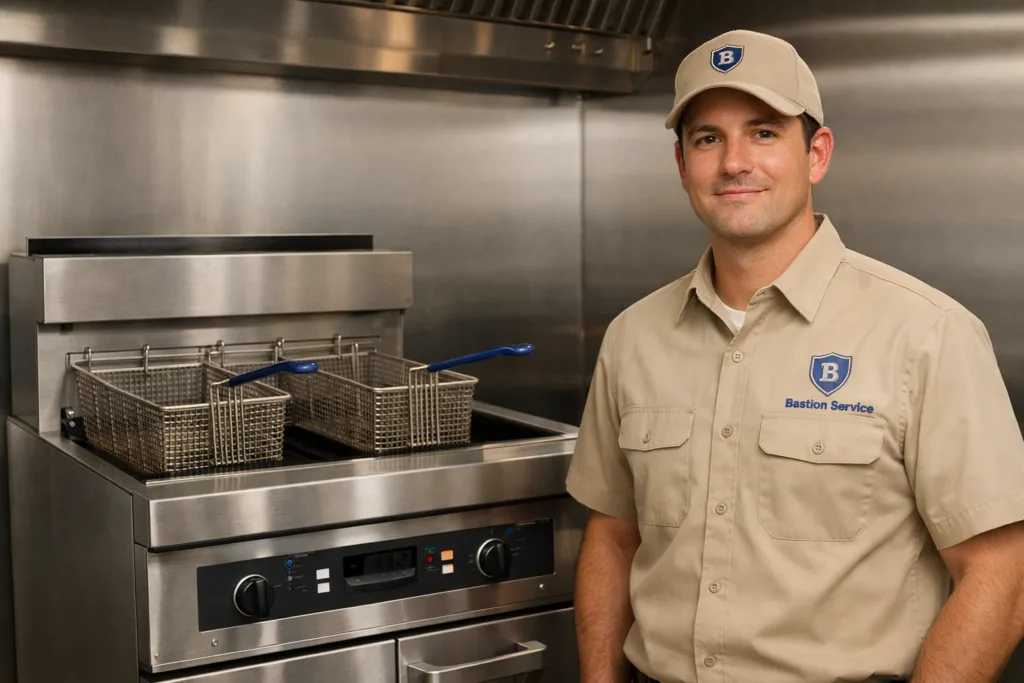




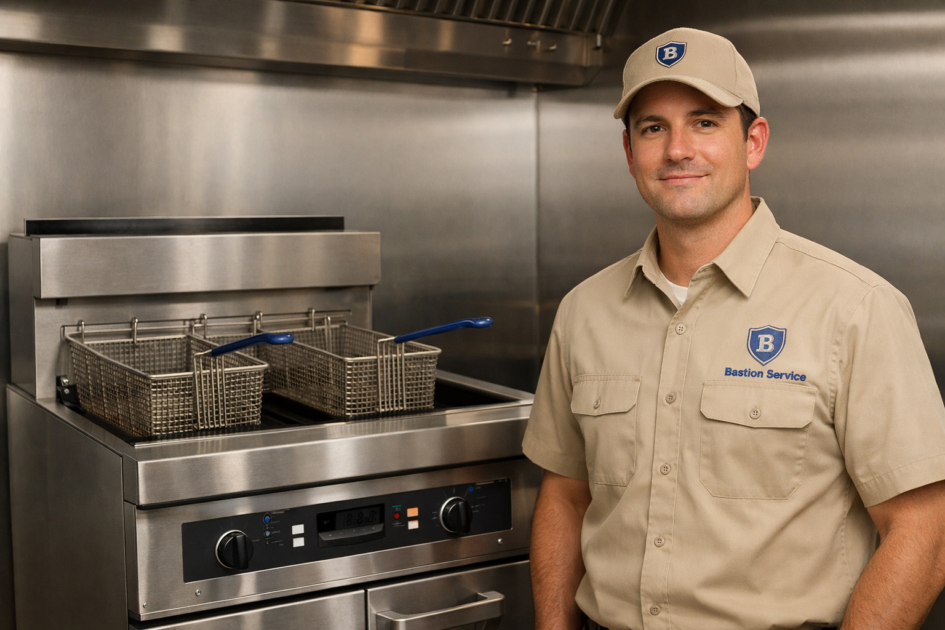
When a Pitco fryer starts recovering slowly, dropping temperature, or shutting down during a rush, the problem quickly turns into lost output, delayed tickets, and added pressure on the kitchen. The most useful next step is service based on the actual symptom pattern, not trial-and-error parts changes. For businesses in Inglewood, that means evaluating how the fryer heats, cycles, ignites, and performs under load so the repair plan fits the fault and scheduling can be based on downtime risk.
Related commercial service paths in Inglewood include Pitco Commercial Repair in Inglewood, Commercial Fryer Repair in Inglewood, and Frymaster Fryer Repair in Inglewood.
Common Pitco fryer symptoms and what they often mean
Slow heat-up or weak recovery between batches
If the fryer takes too long to reach set temperature or struggles to recover after baskets are dropped, the issue may involve burner performance, controls, sensing, or restrictions affecting normal heat transfer. In daily kitchen use, this often shows up as longer cook times, inconsistent color, and staff compensating by changing batch timing. When recovery becomes noticeably slower, service is usually needed before the problem starts affecting every rush period.
Oil temperature swings or overshooting
A fryer that runs too hot, too cool, or bounces around the target temperature can point to sensor, control, or calibration-related faults. Temperature instability affects food consistency and oil life, and it can create a pattern where one batch looks normal and the next does not. If operators are adjusting settings constantly just to keep output usable, the unit should be inspected instead of managed around.
Ignition failure or intermittent heating
If the fryer does not light reliably, loses heat partway through operation, or starts only after repeated attempts, diagnosis should focus on the ignition system, safety components, control response, and fuel-related operation where applicable. Intermittent issues matter because they often become more frequent before a full outage happens. A fryer that works sometimes and fails sometimes is still a repair priority.
Error codes, lockouts, or unexpected shutdowns
Fault codes and protective shutdowns are signs that the fryer is detecting an operating problem it cannot ignore. That may involve overheating protection, sensor faults, control communication, or unsafe operating conditions. Repeated resets may get the fryer going temporarily, but they rarely solve the underlying issue. If lockouts are becoming part of normal operation, repair should be scheduled before service interruptions spread through the kitchen.
Oil leaks, unusual sounds, or visible wear
Oil around the base, components that stick, unusual burner or airflow sounds, and signs of heat damage around controls or connections all deserve attention. Some of these are isolated repairs. Others suggest the fryer is dealing with several age-related problems at the same time. That difference is important when deciding whether the next repair is likely to restore stable operation or only buy limited time.
Why a Pitco fryer may not heat or recover temperature properly
Poor heating or recovery usually comes down to one of a few categories: the fryer is not producing full heat, the control system is not reading or responding correctly, or the equipment is cycling off before the oil fully recovers. In practice, these problems can feel similar to staff even when the causes are different. That is why diagnosis should include the complaint history, startup behavior, recovery under actual cooking load, and whether the fryer behaves differently from similar units in the same battery.
For businesses in Inglewood, the service decision often comes down to how often the problem appears and how much it affects production. If recovery is only slipping slightly, a timely repair may prevent a larger outage. If the fryer is already slowing line speed or forcing menu workarounds, it is usually time to schedule service promptly rather than continue adapting around the equipment.
When to schedule service instead of waiting
Service should be scheduled when the fryer no longer holds temperature reliably, ignition becomes inconsistent, shutdowns repeat, or food quality changes without another clear cause. These are operating problems that tend to worsen, not self-correct. Waiting often leads to more lost product, more oil waste, and more disruption for kitchen staff.
It is also smart to schedule repair when one fryer starts performing differently from the others under the same workload. A slower recovery rate, different temperature behavior, or repeated resets on one unit can reveal a developing fault before total failure. In tightly paced kitchens in Inglewood, catching that decline early can protect service flow and help avoid emergency downtime.
Signs continued use may increase repair scope
Running a fryer that overheats, leaks, cycles erratically, or frequently locks out can make the eventual repair larger than it needed to be. A control issue can affect heat behavior, unstable heating can put stress on safety components, and repeated restart attempts can add wear to already failing parts. If staff are avoiding one fryer, restarting it several times a day, or building workarounds into prep and service, the unit is already affecting operations enough to justify inspection.
If there is unusual ignition behavior tied to gas operation, the fryer should be evaluated before it is returned to normal use. If anyone notices a persistent or strong gas smell, stop using the appliance, leave the area if needed, and contact the gas utility or emergency services before arranging equipment repair.
Repair or replacement: how to make the practical call
Repair is often the right move when the fault is limited, the fryer structure remains sound, and the unit still matches the kitchen’s production needs. Replacement becomes a stronger consideration when breakdowns are becoming frequent, several systems are showing age at once, or repeated service events are adding up without restoring confidence in day-to-day performance.
The key question is not only whether the fryer can be fixed, but whether the repair is likely to return it to steady, usable service. For an Inglewood operation, that means weighing current condition, expected downtime, parts investment, and how much disruption another failure would cause during active service periods.
What to have ready before a service visit
Helpful details can speed diagnosis and make repair scheduling more efficient. Staff should note whether the fryer is failing to heat at startup, losing temperature during heavy use, overshooting setpoint, showing codes, or shutting down at random times. It also helps to know whether the problem is constant or intermittent, whether it started suddenly or gradually, and whether recent cleaning, maintenance, or part replacement happened before the issue appeared.
- When the problem happens: startup, idle periods, or heavy production
- Whether the fryer fully heats, partially heats, or does not ignite
- Any displayed fault codes or repeated reset behavior
- Changes in cook times, product quality, or oil behavior
- Visible leaks, unusual sounds, or signs of overheating
This kind of information helps the technician focus on the most likely failure path instead of starting from assumptions.
Service focused on restoring dependable kitchen operation
Bastion Service helps businesses in Inglewood evaluate Pitco fryer problems based on real operating symptoms, equipment condition, and the urgency of the downtime. Whether the issue involves no heat, weak recovery, unstable oil temperature, ignition trouble, or repeat shutdowns, the goal is to identify the cause, recommend the appropriate repair, and get the fryer back into reliable use with as little disruption as possible. If your fryer is affecting output, workflow, or consistency, scheduling service sooner usually leads to a simpler next step than waiting for a full failure.


