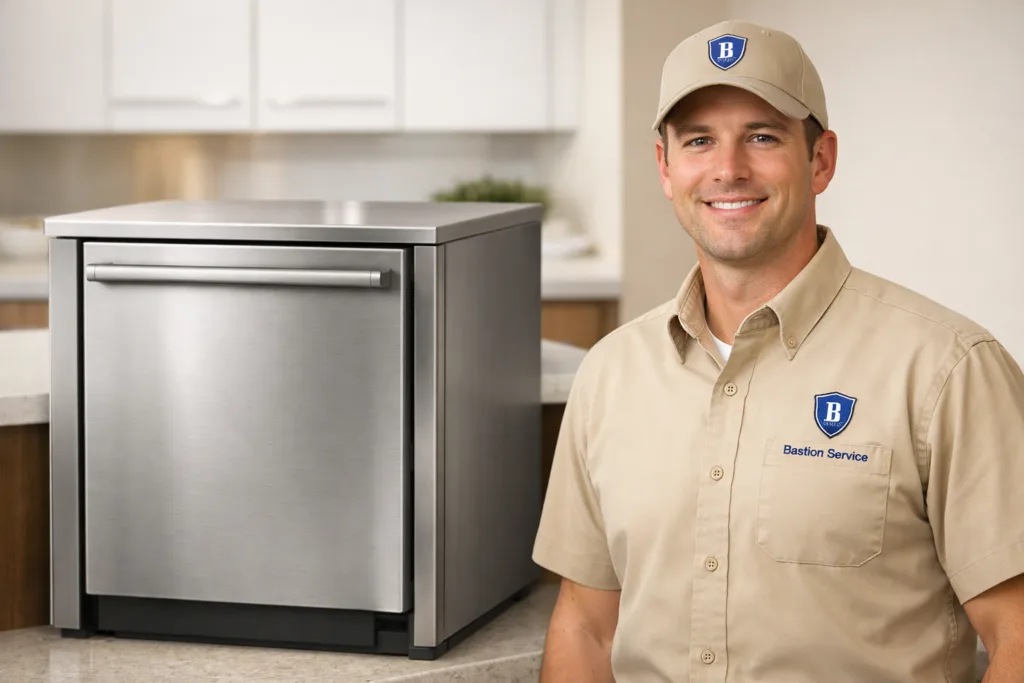
Perlick ice makers often fail in ways that look simple from the outside but point to different causes once the unit is inspected. A machine that stops producing ice may have a water fill problem, a circulation issue, a temperature fault, scale buildup, or a control failure. A leak may come from a drain problem, an overflow condition, or a damaged connection. Understanding the symptom pattern first helps narrow the repair path and prevents unnecessary part replacement.
Common Perlick ice maker symptoms in Playa Vista homes
Most residential service calls fall into a handful of recognizable patterns. The more specific the symptom, the easier it is to understand what the repair may involve.
No ice or very low ice production
If the unit runs but the bin stays nearly empty, the issue may involve restricted water flow, an inlet valve that is not opening correctly, a temperature problem, or a failure during the freeze or harvest cycle. Some machines produce one partial batch and then stall. Others keep trying to cycle without completing the process. In either case, the symptom usually means the ice maker is operating, but one stage is not happening as it should.
Small, hollow, wet, or cloudy ice
Changes in cube quality usually point to water or freezing issues. Low fill volume can create undersized cubes. Mineral buildup can affect water movement and lead to inconsistent freezing. If cubes come out wet or begin clumping together in the bin, the unit may not be holding temperature properly or may be melting and refreezing ice between cycles. Cloudy ice can also suggest water quality or internal buildup problems that should not be ignored if performance is also declining.
Water under or around the unit
Leaks should be addressed quickly because they can damage flooring, trim, and surrounding cabinetry. In a Perlick ice maker, leaking may come from a loose water connection, a blocked or misdirected drain path, excessive frost, or a fill problem that causes overflow. A homeowner may only notice a small amount of water at first, but repeated cycles can turn a minor leak into a larger cleanup and repair issue.
Ice clumping in the bin
When stored ice fuses together, the machine may be producing ice too slowly, allowing partial melt before the next batch drops, or it may be struggling with temperature control inside the storage area. Clumping can also happen when the unit is not draining or ventilating properly. This symptom often appears before a complete no-ice failure, so it is worth evaluating early.
Unusual sounds or nonstop running
Buzzing, repeated clicking, prolonged humming, or a machine that seems to run much longer than normal can suggest strain on a valve, pump, fan, or motor-driven part. A Perlick ice maker that constantly cycles without filling the bin is often trying to complete its normal routine but cannot finish one step. That kind of repeated operation adds wear and usually does not correct itself.
What these symptoms often mean
Two ice makers can show the same outward symptom for completely different reasons. That is why symptom-based troubleshooting matters so much with built-in refrigeration equipment.
- No ice: may relate to water supply, freezing conditions, control problems, or a failed cycle component.
- Slow production: may point to scale, reduced water flow, poor cooling, or a unit that is taking too long to harvest.
- Leaking: may involve the drain system, water line, fittings, or internal icing that sends meltwater where it should not go.
- Clumped ice: may indicate storage temperature issues, delayed production, or partial melting between cycles.
- Odd noises: often suggest a mechanical part is struggling rather than operating smoothly.
Because the same complaint can come from several different failures, replacing a visible or commonly mentioned part without testing can leave the main issue unresolved.
When to stop using the ice maker
Some ice maker issues can wait a short time for scheduling, but others should be treated as immediate service concerns. Continued operation is not a good idea when the unit is leaking, freezing up heavily, or making repeated abnormal sounds.
You should pause use and arrange service if you notice any of the following:
- Water pooling near the appliance
- A sharp drop in ice output
- Ice that turns wet, slushy, or heavily clumped
- Repeated clicking, buzzing, or long run times
- Visible frost or ice buildup where it normally does not appear
- The machine fills or runs but does not complete a normal batch
Running the unit in these conditions can increase wear on other components and make the eventual repair more involved.
Why proper diagnosis matters with Perlick ice makers
Perlick units are often installed in finished kitchen or bar areas where even a small leak or recurring performance issue becomes disruptive quickly. A useful service visit should determine whether the problem is primarily water-related, electrical, mechanical, or cooling-related, and whether any secondary issues are already present. That approach helps protect surrounding finishes and reduces the chance of repeat failures caused by treating only the most visible symptom.
This is also where repair decisions become clearer. If a single serviceable part has failed, repair is often the sensible next step. If the unit shows multiple related problems, heavy internal wear, or signs of broader system decline, the better option may be different. The value comes from knowing which situation you are dealing with before investing further.
Repair or replace?
Many Perlick ice maker problems are repairable when the fault is limited to a valve, pump, sensor, fan, drain-related part, control component, or another isolated issue. Repair tends to make sense when the machine is otherwise in solid condition and the failure is specific.
Replacement becomes more worth discussing when the unit has a long history of repeat problems, multiple failing components, severe corrosion or internal wear, or a major cooling-system issue that is no longer practical for the appliance’s age and condition. For homeowners in Playa Vista, the key question is not simply whether the unit can be fixed, but whether the repair is likely to restore reliable use in a cost-effective way.
What homeowners can check before scheduling service
Without disassembling the appliance, there are a few basic observations that can help describe the problem more accurately:
- Whether the machine is making any ice at all or just less than usual
- Whether cubes have changed in size, clarity, or texture
- Whether the bin contains clumped or partially melted ice
- Whether there is water around the front, side, or beneath the unit
- Whether the machine sounds different during fill, freeze, or harvest
- Whether the issue appeared suddenly or gradually over time
These details can be more helpful than a general report that the unit is “not working,” because they point to the stage of operation where the problem is likely occurring.
A focused repair approach for Playa Vista households
In residential settings, ice maker problems are rarely just about convenience. They can interrupt daily use, create mess around finished surfaces, and raise concerns about hidden water damage. A good repair process stays centered on the actual behavior of the appliance in the home, including water supply conditions, drainage, temperature performance, and how the unit is cycling.
For Perlick ice maker repair in Playa Vista, that symptom-first approach gives homeowners a clearer picture of what failed, what the repair would correct, and whether the appliance is likely to return to steady, normal ice production after service.