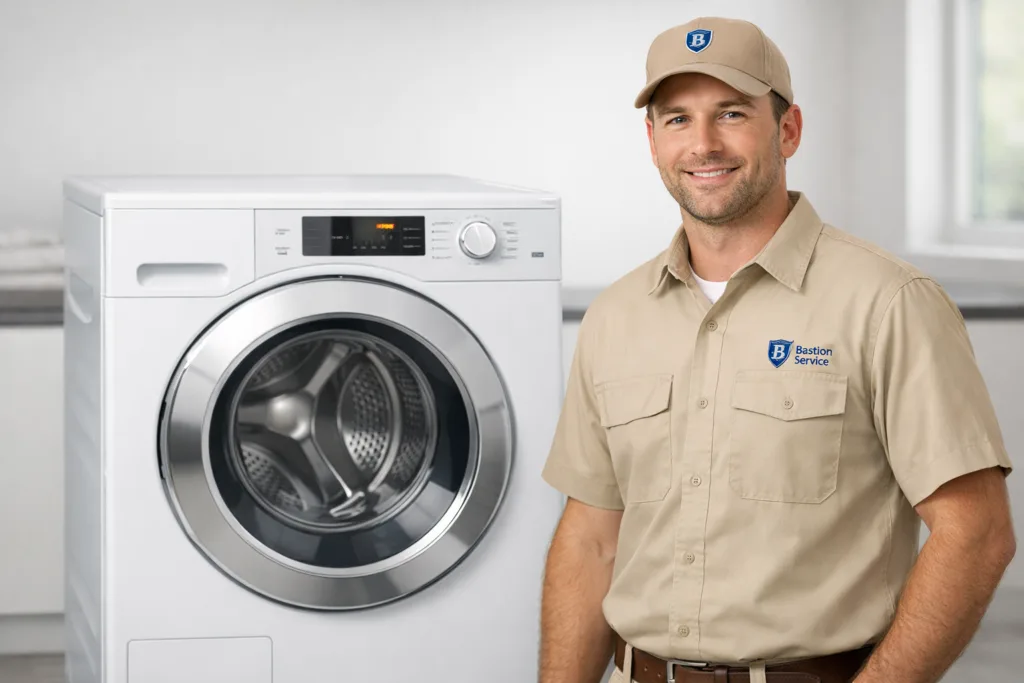
Common Miele dryer problems and what they often mean

Miele dryers can show the same outward symptom for several different reasons, so the most useful starting point is to match the behavior of the machine to the most likely system involved. When the dryer tumbles but clothes stay damp, the issue may be airflow restriction, weak heat output, moisture sensor trouble, or a control-related problem. When it will not start at all, the cause may be tied to power supply, door switch response, control failure, or an internal safety condition.
In Mid-City homes, these issues often appear gradually before they become a complete failure. A dryer may begin taking longer to finish towels, stop mid-cycle once in a while, or make a new scraping or squealing sound that was not there before. Those changes usually mean it is time to have the unit checked before a smaller repair turns into a larger one.
Dryer runs but clothes are still damp
If the drum turns normally but laundry comes out wet or only partly dry, the problem is often related to heat or airflow. Restricted venting can cause poor drying and repeated overheating protection. A weak heating circuit may produce enough heat to feel warm but not enough to finish a load in normal time. Moisture sensing problems can also cause cycles to end too early.
Homeowners often notice this first with mixed loads: lighter items feel almost dry while thicker fabrics remain damp. If you are running multiple cycles to finish one load, that usually points to a problem worth addressing soon.
Dryer takes too long to dry
Long dry times are not always the same as no heat. In some cases, the dryer still heats but cannot move air correctly, which prevents moisture from leaving the drum efficiently. In others, the heater cycles off too often because the machine is running too hot internally. Sensor issues can also extend or shorten cycles in ways that do not match the actual load.
Repeated long cycles increase wear because the dryer is operating longer than designed for each load. Over time, that extra runtime can place more strain on the motor, belt, support parts, and heating components.
Dryer will not start
When a Miele dryer does nothing after pressing start, the diagnosis usually begins with basic power and control response. From there, attention turns to the door latch system, user interface, and internal components that must all respond correctly before the machine will run. A no-start condition can be simple, but it can also be the result of a fault that prevents operation for safety reasons.
If the display appears active but the dryer does not begin a cycle, that often helps narrow the problem. If the dryer is completely unresponsive, the repair path may be different. Either way, confirming the failure before replacing parts matters.
Dryer starts and then stops mid-cycle
A dryer that shuts down before the load is done may be overheating, losing motor function as it warms up, or reacting to an electrical or control fault. In some cases, the machine restarts after cooling down, which can make the problem seem inconsistent even though the underlying issue is becoming more serious.
This symptom is a good reason to stop experimenting with repeated restarts. Intermittent shutdowns usually do not improve on their own, and continued use can add stress to parts already operating outside normal conditions.
Noise, vibration, or burning smell
New noises usually indicate a mechanical problem rather than a programming issue. Thumping can point to drum support wear. Squealing may suggest worn moving parts. Scraping or rattling can come from blower trouble, loose components, or items caught where they should not be. A burning odor may mean lint buildup, overheating, or a part under abnormal friction.
If the dryer is producing a strong hot smell, unusually loud sound, or vibration that moves the machine, it is best not to keep using it until the cause is identified. Mechanical wear tends to spread when the unit keeps running under strain.
Why airflow matters more than many homeowners realize
Airflow problems are one of the most common reasons a dryer seems weak, slow, or inconsistent. Even when the heater is working, poor airflow can trap moisture inside the system and force the dryer to run longer. That can lead to overheating symptoms, repeated cycling of safety devices, and disappointing drying results.
Signs that often suggest airflow trouble include:
- Clothes taking more than one cycle to dry
- The dryer cabinet feeling unusually hot
- Cycles stopping early or behaving inconsistently
- A hotter-than-normal laundry area during operation
- A burning dusty smell during or after a load
Because airflow issues can overlap with heating and control complaints, proper testing helps separate a vent-related problem from a failed internal part.
Error codes and sensor-related issues
Miele dryers may show error information or act in ways that suggest the settings are not being followed correctly. A cycle may end too soon, fail to sense moisture accurately, or respond unpredictably to selected options. While codes and display behavior provide clues, they do not always identify the failed part by themselves.
Sensor-related problems can be especially misleading. A dryer may still run, heat, and tumble, yet make poor decisions about cycle length or dryness level. That is why symptom-based explanation matters just as much as reading the code history.
When to stop using the dryer
Some dryer problems are inconvenient but stable. Others can create a risk of further damage if the machine keeps running. It is usually smart to stop using the dryer and schedule service if you notice any of the following:
- A burning smell that is new or getting stronger
- The dryer tripping a breaker
- Repeated shutdowns during a cycle
- Loud scraping, banging, or squealing noises
- Signs of overheating around the cabinet or laundry area
If the only symptom is longer drying time, the machine may still operate for the moment, but it should not be ignored. Ongoing long cycles can raise utility use and put extra wear on parts that would otherwise last longer.
Repair or replace: what usually makes sense
Many Miele dryer issues are repairable, especially when the problem is limited to one system and the appliance is otherwise in good shape. Heat problems, sensor faults, motor-related symptoms, and some noise complaints can often be addressed without replacing the entire unit. The better question is not simply age, but overall condition and whether the repair is likely to restore reliable everyday use.
Replacement becomes more worth considering when there are several major failures at once, heavy wear across multiple systems, or repair cost that no longer makes sense for the condition of the machine. For many households in Mid-City, the most practical repair guidance comes from seeing exactly which component has failed and whether anything else has been affected by continued operation.
What homeowners in Mid-City can expect from a focused service visit
A productive residential dryer service visit should do more than get the machine running once. It should determine why the problem started, whether related components have been stressed, and what repair path is most likely to prevent the same complaint from coming back. That is especially important with symptoms like no heat, repeated shutdowns, erratic cycle behavior, and developing drum noise.
If your Miele dryer has become unreliable, unusually slow, or difficult to trust with normal laundry loads, the next step is to have the symptom pattern evaluated while the signs are still clear. That gives you a better basis for deciding whether the repair is straightforward, whether continued use risks more damage, and what it will take to get the dryer back into normal household use in Mid-City.