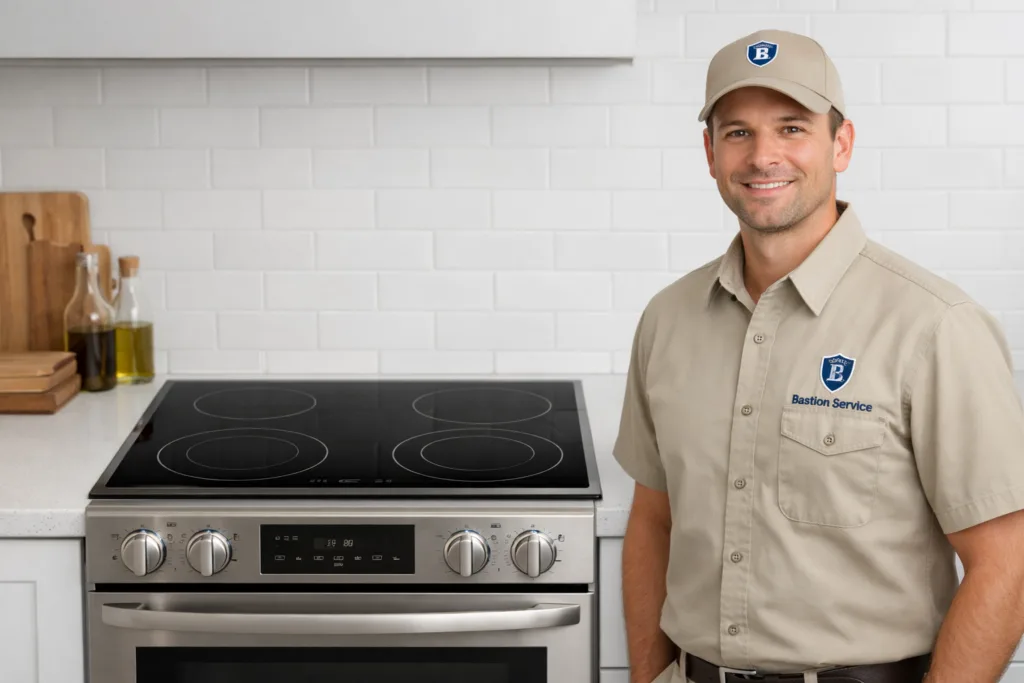
Focused LG Cooktop Diagnosis for Venice Homes

When an LG cooktop stops heating properly, clicks without lighting, or trips a breaker during meal prep, the biggest mistake is guessing at the cause. The same symptom can come from very different faults, so the first priority is identifying what is actually failing before parts are replaced.
Cooktops combine heat, ignition, controls, wiring, and on some homes gas supply components. A surface burner that will not respond, a hot zone that overheats, or an igniter that keeps sparking may seem simple from the outside, but the underlying issue can involve switches, spark modules, burner assemblies, control boards, wiring damage, or wear related to installation and daily use.
In Venice homes, even a minor cooktop issue can quickly interrupt everyday cooking. A service visit is most useful when it starts with the exact symptom pattern: which burner is affected, whether the issue is constant or intermittent, and whether the problem appears during ignition, temperature control, or shutdown.
Common LG Cooktop Problems and What They Can Indicate
Burner will not ignite
If a gas burner clicks but does not light, the issue may involve the igniter, burner cap alignment, clogged burner ports, moisture around the ignition area, or a fault in the spark system. Repeated clicking without ignition should be checked before regular use continues. If there is a strong or persistent gas smell, stop using the cooktop and address safety first.
Burner lights but heats unevenly
An uneven flame or inconsistent heating can point to blocked burner openings, worn burner components, improper assembly after cleaning, or regulator-related performance issues. On electric radiant models, uneven heat may indicate a failing element, damaged sensor feedback, or a control problem affecting temperature output.
Cooktop element does not heat
When an electric cooking zone stays cold, common causes include a failed element, switch problem, wiring fault, or control board issue. If the element works only occasionally, intermittent electrical failure is often involved. Continued use can make diagnosis harder if the part fails more completely later.
Cooktop gets too hot or will not regulate temperature
If an LG cooktop heats past the selected setting or seems stuck on high, the problem may involve the infinite switch, temperature sensor feedback, or electronic control. It is best to stop using that burner because overheating can damage cookware, crack glass surfaces, or stress nearby components.
Constant clicking or sparking
Ongoing clicking after ignition often means moisture, contamination, switch trouble, or a failing spark module. If there is no gas odor, it is usually an ignition-system problem that should still be diagnosed before normal use. Clicking paired with delayed ignition deserves prompt attention.
Cracked glass or physical surface damage
A cracked glass cooktop is not just a cosmetic problem. It can affect safe operation, create cleaning and moisture risks, and in some cases expose internal components to further damage. Service is worth scheduling quickly, especially if the crack is near an active element or appears to spread with heat.
Symptoms That Should Not Be Ignored
Some cooktop issues are inconvenient. Others raise safety concerns or can lead to more expensive damage if they are left alone. Watch for signs that the appliance is becoming less stable or less predictable during normal use.
- A burner will not turn off normally
- An element does not heat or overheats
- Ignition is delayed or unreliable
- The cooktop clicks continuously
- The surface is cracked or chipped near a heated area
- Controls respond inconsistently
- The unit trips power during operation
These problems often start with one burner or one control area, but they can place added stress on wiring, switches, and electronic components over time.
When Repair Is Usually Worth It
Many LG cooktop problems are repairable when the failure is isolated to a switch, igniter, element, burner component, or a specific electrical fault. That is often the case when one burner behaves differently from the others or when the symptom is narrow and repeatable.
Repair tends to make the most sense when the cooktop is otherwise in good condition, the glass or frame is intact, and the issue can be traced to a single failed part or circuit.
When Replacement May Be the Better Option
Replacement becomes more reasonable when there is major structural damage, multiple failing components, recurring control problems, or a repair cost that approaches the value of the appliance. This can also come up with severe glass damage, widespread electrical issues, or repeated failures that suggest the problem is not limited to one part.
The decision usually depends on three things: the exact failed component, the overall condition of the cooktop, and whether the problem is isolated or part of a broader pattern. On LG models with electronic controls or glass surfaces, the visible symptom is not always the full story.
What Helps Before a Service Visit
A few details can make troubleshooting faster and more accurate. Before service, it helps to note whether the issue affects one burner or all burners, whether it started after cleaning, whether there was a popping sound or breaker trip, and whether the problem is constant or intermittent.
For gas models, it is also helpful to note whether the igniter clicks, whether the flame appears weak or uneven, and whether the burner lights only after several tries. For electric models, pay attention to whether the element stays cold, cycles incorrectly, or seems stuck at one heat level regardless of the setting.
What Venice Homeowners Can Expect From a Symptom-Based Repair Approach
The most useful repair path starts with the way the appliance is actually behaving in the home, not with assumptions based on one visible symptom. A burner that will not ignite, an element that overheats, or controls that respond inconsistently each point the diagnosis in a different direction.
For homeowners in Venice, the goal is simple: identify the exact cause, avoid unnecessary part swapping, and restore safe, normal cooking use with a repair plan that fits the condition of the cooktop.