




JennAir appliances are built with premium features, but the problems homeowners see day to day are often familiar: a refrigerator that stops holding temperature, a dishwasher that leaves water behind, or an oven that no longer heats the way it used to. What matters most is matching the symptom to the likely system involved so the next step is based on the appliance’s actual behavior rather than guesswork.
Start with the symptom, not the part
The same visible problem can come from several different causes. A warm refrigerator may be dealing with airflow trouble, a fan failure, a defrost issue, or a sealed-system problem. An oven that cooks unevenly may have a sensor issue, a weak heating element, a relay problem, or poor heat circulation. A dishwasher that will not drain could have a blockage, pump trouble, or a control problem preventing the drain phase from completing.
That is why symptom patterns matter. Whether the issue appeared suddenly, became worse over time, happens every cycle, or only shows up under certain settings can all help narrow down the fault. For Santa Monica homeowners, this is often the difference between a manageable repair and continuing to use an appliance that is slowly getting worse.
Common JennAir refrigerator and freezer problems
Cold-storage problems are some of the most urgent because they affect food safety quickly. JennAir refrigerators and freezers may still seem partly functional while performance is already slipping. A unit that runs constantly, develops frost, or cools unevenly is usually giving early warning signs.
When the refrigerator is warm but the freezer seems normal
This often suggests an airflow or defrost-related problem rather than a complete loss of cooling. If cold air is not moving correctly between compartments, the refrigerator section may warm first even while the freezer still appears cold enough. Dirty coils, fan issues, blocked vents, or frost buildup can all contribute.
When temperatures swing up and down
Inconsistent temperatures can point to sensor problems, weak door sealing, control issues, or a cooling system that is beginning to struggle under load. If milk spoils early, produce freezes unexpectedly, or the refrigerator seems colder at some times than others, the unit is not operating normally even if it is still running.
Ice maker, dispenser, and frost concerns
Ice maker failures do not always mean the ice maker assembly itself is bad. Water supply issues, fill problems, freezing in the line, switch faults, or temperature instability may be involved. Excess frost in the freezer can also signal a door gasket issue, a defrost problem, or airflow imbalance that should be addressed before storage space becomes less usable.
Dishwasher symptoms that should not be ignored
A JennAir dishwasher usually makes its problems known through results: dishes come out dirty, the tub holds water, the machine gets loud, or moisture appears where it should not. Because dishwashers combine water, heat, drainage, and electronics in one appliance, a small symptom can affect several functions at once.
Standing water after the cycle
If water remains in the bottom after a wash, the cause may be a clog, a drain pump issue, a kinked drain path, or a control problem that keeps the machine from completing the drain stage. A humming sound without proper draining often points toward a pump or obstruction issue.
Poor washing or cloudy dishes
When dishes do not come clean, the problem may involve weak spray pressure, circulation trouble, low fill, a dispenser issue, or restricted wash arms. If performance falls off gradually rather than failing all at once, buildup or wear inside the wash system may be part of the pattern.
Leaks and door-area moisture
Water near the front of the dishwasher can come from a worn gasket, poor door alignment, overfilling, sudsing problems, or damage inside the tub area. Even a minor leak is worth taking seriously because ongoing moisture can affect flooring, cabinets, and nearby surfaces.
Cooktop and range issues in everyday use
JennAir cooking appliances often show trouble through changes in heat control. Burners may click without igniting, heat unevenly, respond slowly, or stop working on certain settings. On a range, surface burner issues and oven issues can sometimes be related, especially when the appliance is dealing with a broader power or control fault.
Gas burner ignition problems
If a burner clicks repeatedly without lighting, the issue may involve ignition parts, moisture around the burner area, alignment problems, or a component in the spark system. If ignition becomes unreliable across more than one burner, it may point to a wider issue than a single burner part.
If there is a strong or persistent gas odor, stop using the appliance and prioritize safety before arranging repair.
Electric burner heating problems
Electric cooktops that heat inconsistently or cycle the wrong way may be dealing with a failed element, switch, sensor, or related control component. A burner that stays too hot, never reaches proper heat, or works only on certain levels should be checked before regular use continues.
Oven and wall oven heating problems
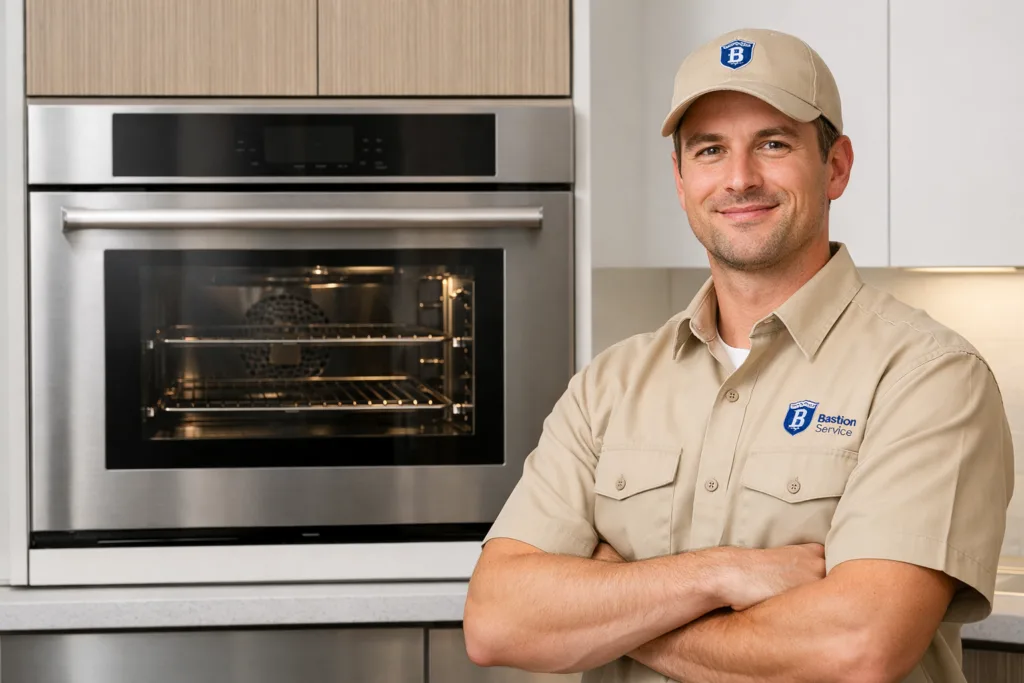
Oven complaints often start with cooking results. Food bakes unevenly, preheat takes too long, the display shows an error, or the temperature no longer matches the setting. JennAir ovens and wall ovens can develop faults in heating elements, sensors, relays, fans, door components, or electronic controls, and those faults can overlap in ways that are not obvious from the outside.
Slow preheating or poor temperature control
When preheat becomes noticeably slower, the oven may still reach temperature eventually, but not in the normal time. That can point to a weak bake or broil element, a sensor reading issue, or a control system problem. If baking results are inconsistent from rack to rack, convection or airflow issues may also be part of the problem.
Shutting off unexpectedly or showing error codes
An oven that stops mid-cycle, resets, or displays persistent fault codes may be experiencing electronic communication problems, overheating protection issues, or failing control components. These symptoms should not be dismissed as random glitches if they begin to repeat.
Signs the appliance is getting worse, not better
Some homeowners wait because the appliance still works part of the time. In practice, partial function often means a failure is developing rather than resolving. It is usually time to schedule service when you notice patterns like these:
- Refrigerator or freezer temperatures that are no longer stable
- Dishwasher cycles that end with standing water or poor cleaning
- Burners that click, fail to ignite, or heat unpredictably
- Ovens that overheat, underheat, or take much longer to preheat
- Repeated tripped breakers, electrical odor, or recurring error codes
- New noises such as buzzing, grinding, clicking, or strain during normal operation
These changes often indicate more than ordinary wear. A refrigerator that runs too long can place extra stress on major cooling components. A dishwasher leak can quietly damage surrounding materials. An oven with drifting temperature can become unreliable well before total failure.
How homeowners usually weigh repair versus replacement
For most households in Santa Monica, the decision comes down to the scope of the problem, the age and condition of the appliance, and whether the failure appears isolated or part of a larger decline. Repair is often the sensible choice when the appliance has otherwise been performing well and the issue is limited to one system. Replacement becomes more likely when there are repeated major failures, severe cooling-system issues, or extensive electronic problems affecting overall reliability.
JennAir appliances can include advanced controls and integrated features, which makes proper diagnosis especially important. A symptom that looks simple on the surface may involve a larger control or communication issue underneath, while a concerning symptom may still turn out to be a more contained repair once tested correctly.
Appliance categories covered on this page
This page is intended for residential JennAir problems involving refrigerators, freezers, dishwashers, cooktops, ranges, ovens, and wall ovens. Each category has its own common failure points, but the goal is the same across all of them: identify what the symptom is really telling you, determine whether continued use is safe, and choose the repair direction that makes the most sense for the condition of the appliance.
When prompt service makes the most difference
Early service tends to matter most when food preservation is at risk, water is leaking, heating is inconsistent, or controls stop responding normally. Those are the moments when waiting usually adds inconvenience and can increase the eventual repair scope. When a JennAir appliance begins showing repeat symptoms in Santa Monica, the most useful next step is a clear diagnosis and repair plan based on how the machine is actually failing.


