
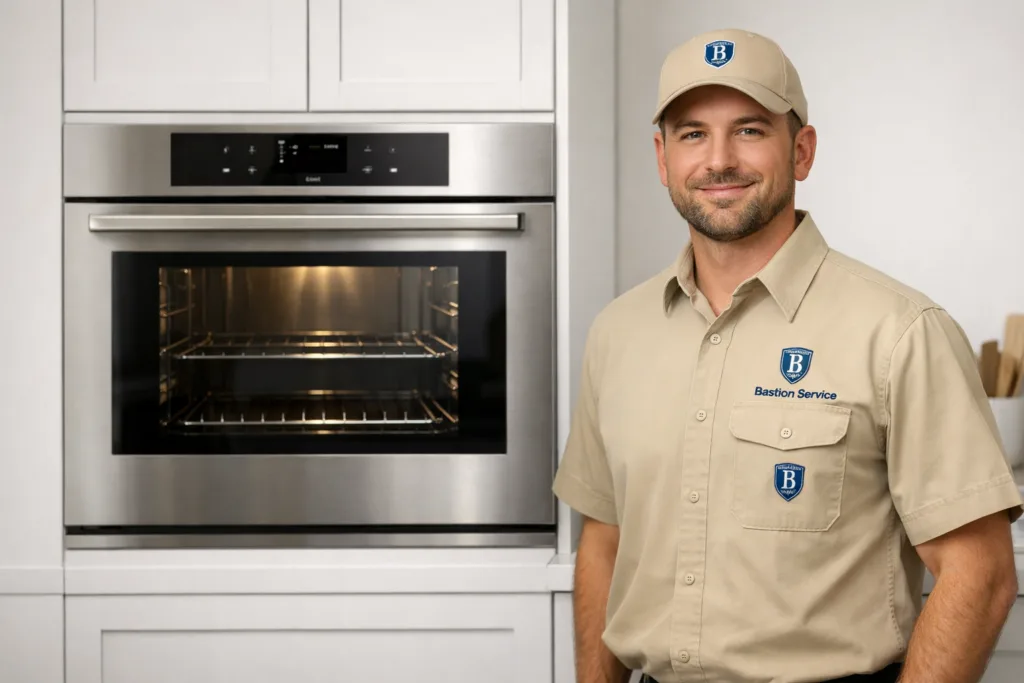




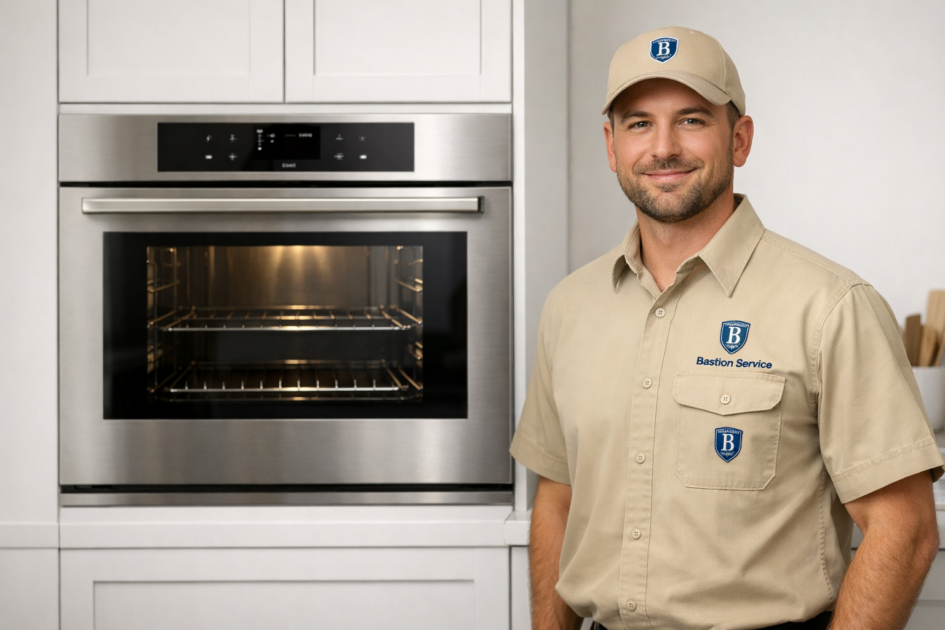
JennAir appliances are built with premium features and integrated controls, which can make problems feel confusing when performance starts to slip. A refrigerator may still run but stop holding temperature. An oven may heat, yet bake unevenly. A dishwasher may finish a cycle and still leave water behind. In each case, the visible symptom is only the starting point, and the right repair decision depends on what is actually failing inside the machine.
For specific JennAir appliance paths in Los Angeles, review JennAir Refrigerator Repair in Los Angeles, JennAir Freezer Repair in Los Angeles, and JennAir Dishwasher Repair in Los Angeles.
Why symptom patterns matter with JennAir appliances
Most household appliance problems do not announce a single obvious cause. Homeowners usually notice the result first: warm food, wet dishes, clicking burners, frost buildup, or a control panel that behaves unpredictably. The same symptom can come from very different sources, including airflow restrictions, worn seals, failed sensors, ignition components, pumps, drain clogs, electronic controls, or wiring issues.
That is especially true with JennAir products, where performance depends on several systems working together. A useful service approach starts with the symptom pattern, then narrows down whether the issue is mechanical, electrical, temperature-related, or control-related. That helps avoid replacing parts based on guesswork and makes it easier to judge whether repair is the sensible next step.
Refrigerator and freezer problems that should not be ignored
Refrigeration issues tend to be the most urgent because they affect both food safety and the long-term health of the appliance. Common warning signs include a refrigerator section that feels warmer than usual, a freezer that is no longer keeping items solid, frost collecting on interior panels, leaking water, unusually loud operation, or an ice maker that stops producing consistently.
Those symptoms can point to a range of issues, such as fan trouble, defrost system failure, blocked airflow, drain problems, worn door gaskets, sensor faults, or more serious sealed-system concerns. A refrigerator that runs constantly without cooling properly should not be treated as a minor inconvenience. Continued operation can increase strain on major components and may turn a smaller repair into a more expensive one.
Freezer problems also deserve prompt attention. Frost accumulation, soft frozen food, or temperature swings often mean the unit is not managing moisture, airflow, or defrost cycles correctly. When caught early, some faults are manageable. When ignored, they can lead to food loss and broader cooling failure.
Dishwasher symptoms that often indicate more than a cleaning issue
A JennAir dishwasher that leaves residue on dishes is not always suffering from a detergent problem. Poor cleaning can come from blocked spray arms, low water fill, circulation pump issues, or control problems that interrupt the wash sequence. If dishes come out cloudy, greasy, or still dirty after a normal cycle, the appliance may not be washing at full strength.
Standing water at the bottom of the tub usually points toward a drain restriction, pump problem, or drain control issue. Door leaks can come from gasket wear, alignment problems, excess suds, or wash action that is not being contained correctly. Unusual grinding, humming, or repeated stopping mid-cycle can also signal internal component trouble rather than a one-time interruption.
Because dishwasher leaks can affect flooring and cabinets, it is wise to take them seriously even when the machine still appears to run. Water where it does not belong is rarely something that improves on its own.
Cooktop and range issues often begin with ignition or heat control
JennAir cooktops and ranges commonly show problems through burners that click repeatedly, fail to ignite, heat inconsistently, or stop responding to control input. In gas models, ignition-related faults may involve spark components, switches, burner assembly issues, or moisture affecting the ignition path. In electric models, the fault may be tied to an element, infinite switch, relay, or control board problem.
Repeated clicking is a good example of why symptom-based diagnosis matters. One appliance may have a minor ignition issue, while another may be dealing with a switch problem or a component that keeps trying to fire even after use. If the appliance has a persistent gas odor, that moves beyond inconvenience and should be treated as a safety concern first.
Ranges add another layer because the cooktop and oven may share controls, power components, or operational faults. When multiple burner problems appear at the same time as oven issues, the repair path often needs a broader evaluation instead of a single-part assumption.
Oven and wall oven performance problems are usually more noticeable in daily cooking
Many oven complaints begin with inconsistent results: food browns too quickly on one side, baking takes longer than expected, or temperatures seem off from one use to the next. Those signs can stem from a failing temperature sensor, heating element trouble, relay problems, door seal issues, or an electronic control that is no longer regulating heat correctly.
Other common JennAir oven and wall oven symptoms include error codes, controls that lock unexpectedly, doors that do not close properly, broil or bake functions that stop working, and units that heat very slowly or overshoot the set temperature. These are not just convenience issues. Poor temperature regulation can affect cooking quality, and electrical or overheating symptoms can point to faults that should not be ignored.
If an oven trips breakers, produces burning smells, or runs much hotter than the selected setting, it should be evaluated before regular use continues. A premium appliance is only valuable when it performs safely and predictably.
How to think about repair versus replacement
For many Los Angeles homeowners, the real question is not simply whether an appliance can be repaired, but whether it should be. Repair is often the better choice when the unit is otherwise in good condition, the failure is limited to a specific component or system, and the expected cost is reasonable compared with the value of keeping the appliance in place.
That can be especially important with JennAir products, since replacement may involve matching existing cabinetry, dimensions, finish, or integrated installation details. A well-targeted repair may preserve a kitchen setup that would be costly or inconvenient to change.
Replacement becomes more worth considering when a refrigerator or freezer has a major cooling-system failure, when multiple expensive parts are failing in the same appliance, or when the unit has a long pattern of recurring issues. Looking at age, condition, recent repair history, and the severity of the current problem usually leads to a better decision than reacting only to the latest symptom.
Signs that waiting may make the problem worse
Some appliance issues stay stable for a short time. Others tend to escalate. Refrigerators and freezers generally fall into the second category because poor cooling can quickly affect food and force the system to work harder. Water leaks from dishwashers or refrigeration units can spread damage beyond the appliance itself. Ovens that overheat or ranges with unreliable ignition should not be treated as routine nuisances.
Homeowners should pay close attention to:
- Repeated error codes that return after resetting
- Water pooling under or inside the appliance
- New grinding, buzzing, or rattling sounds
- Burning smells or signs of overheating
- Noticeable temperature swings in cooling or cooking appliances
- Controls that freeze, flicker, or stop responding
When these signs are present, continued use can sometimes create secondary damage to motors, boards, fans, or surrounding components. Addressing the issue earlier is often less disruptive than waiting for a complete failure.
What this looks like in Los Angeles homes
In Los Angeles, appliance trouble usually becomes obvious during everyday routines. A refrigerator problem shows up after groceries do not stay cold. A dishwasher issue appears when dishes are still wet or dirty the next morning. A cooktop fault interrupts dinner prep. An oven problem becomes clear when familiar recipes suddenly stop turning out the same way.
Those moments are when broad brand familiarity matters most. JennAir refrigerator, dishwasher, cooktop, oven, range, wall oven, and freezer models can all present symptoms that seem simple on the surface but involve very different repair paths underneath. The most helpful next step is to identify which system is failing, whether the appliance can be used safely in the meantime, and whether the repair is likely to restore reliable household performance.


